Why Choosing the Right Mini Source Charger Matters for Performance?

Time:2026-07-01 Author:Oliver
0%

Choosing the right mini source charger is vital for optimal performance. With numerous options available, making the best choice can seem daunting. Consumers often overlook the significance of this decision, leading to frustrating experiences. An inadequate charger can result in slow charging, device overheating, or worse, damage to your beloved gadgets.

How to choose a mini source charger without losing performance? Start by considering the power output. A charger with insufficient wattage may not meet your device’s needs. It’s also crucial to assess the charger’s compatibility with your devices. Many users assume all chargers work universally, which is a misconception. Safety features are another important aspect. Look for chargers that come with built-in protections against overcharging and short circuits.

Trustworthy brands often provide detailed specifications and user reviews. These resources can guide you in making an informed decision. However, remember that personal experiences may vary. What works perfectly for one person might not suit another’s needs. Thus, it’s essential to gather insights and reflect on your specific requirements before finalizing a purchase.
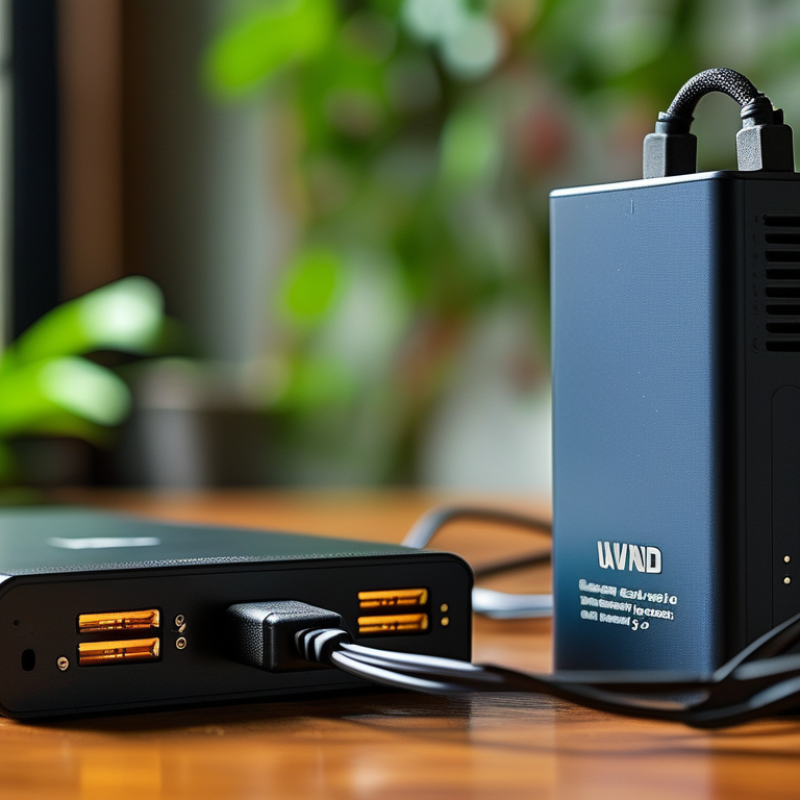
Why Choosing the Right Mini Source Charger Matters for Performance?

Understanding Power Output: The Role of Voltage and Amperage

Choosing the right mini source charger is crucial for optimal performance. When we talk about power output, voltage and amperage play significant roles. Voltage measures the potential energy per unit charge, while amperage indicates the flow of that charge. A mismatch can lead to poor device performance or even damage.

Consider a device that requires 5V and 2A for proper operation. Using a charger with lower voltage may result in slower charging or erratic performance. On the other hand, a charger with higher amperage can safely deliver more power, assuming the voltage remains constant. Many devices have built-in safeguards, but not all do.

Power output may seem straightforward. Yet, many users overlook the importance of these specifications. Misunderstanding can lead to frustrating experiences. For example, a charger that works well for one device may not work for another. Reflection on these principles enhances our understanding of technology. Choosing the right charger is not merely about convenience; it impacts performance significantly.

Impact of Charger Efficiency on Device Longevity and Performance

Choosing the right mini source charger directly impacts the performance and longevity of devices. Charger efficiency plays a critical role in both energy consumption and heat generation. According to a report by the International Energy Agency (IEA), inefficient chargers can waste up to 30% of energy during the charging process. This not only affects energy bills but also shortens the lifespan of devices.

Heat is a silent enemy for electronics. When chargers operate inefficiently, they generate excess heat. A study published in the Journal of Power Sources found that heat can degrade battery capacity significantly over time. For example, a battery charged at high temperatures can lose up to 20% of its capacity within just a year. Selecting a high-efficiency charger reduces heat generation and enhances battery life, a crucial factor for today's portable devices.

Users often overlook the importance of charger specifications. Many assume all chargers are equal, but even small differences can lead to performance discrepancies. Chargers with built-in efficiency features can improve charging speed and device safety. However, not all options on the market offer this advantage. Research indicates that understanding a charger's efficiency ratings can lead to better device performance and reduced long-term costs. Users must consider these factors seriously to protect their valuable electronics.

The Significance of Safety Standards in Mini Source Chargers

Choosing the right mini source charger is crucial for device performance. Safety standards play a pivotal role in ensuring reliable charging. Chargers that do not meet safety regulations can lead to overheating, short circuits, or even fires. It is essential to recognize that poorly designed chargers can damage your devices. You may save money upfront, but the potential risks are significant.

Consider these tips when selecting a mini source charger. Check for certifications like UL or CE, which indicate compliance with safety standards. Look for user reviews that mention reliability and durability. A charger’s materials matter too; they should withstand heat and wear over time. Opt for chargers that include built-in safety features, such as overload protection.

Investing time in researching chargers can prevent future headaches. Remember, not all chargers are created equal. Some may look appealing but lack the safety you need. Take a moment to reflect on your choices. A little caution goes a long way. Prioritize safety for peace of mind while charging your devices.

Performance Impact of Mini Source Chargers

Comparative Analysis: Standard Chargers vs. Mini Source Chargers

When it comes to charging devices, the choice between standard chargers and mini source chargers can greatly affect performance. Standard chargers often provide higher power outputs. They tend to charge devices quickly. However, this speed can come at a cost. Some devices may overheat or degrade due to excessive power input. Mini source chargers, on the other hand, generally offer more controlled charging. They support safe and steady power delivery, minimizing the risk of damage.

Mini source chargers are frequently more compact and lighter than standard models. This makes them a preferable option for travelers. They can easily fit into a pocket or bag without adding much weight. Performance-wise, they may not charge devices as quickly, but the safety benefits are significant. Over time, this can lead to longer battery life for your devices. However, users should be aware that not all mini chargers are equal. Some may deliver insufficient power, causing frustration during use.

Choosing the right charger requires careful thought. Not all devices need high-powered charging. For most smartphones and tablets, a mini source charger may be adequate. It's essential to reflect on your charging habits and needs. Not every situation justifies the use of a standard charger. Assessing factors like device type and usage can guide your decision. This way, you can enhance the longevity and performance of your gadgets.

Consumer Trends in Mini Charger Selection and Their Implications

When selecting a mini charger, consumer preferences reveal essential patterns shaping the market. According to a recent survey by TechInsights, 68% of users prioritize fast charging capabilities. This trend reflects the increasing demand for efficiency in our mobile lifestyles. Portable chargers are no longer merely convenient; they enhance performance in real-time scenarios, which resonates strongly with tech-savvy consumers.

Another data point from the Global Power Access Report indicates that 47% of users consider compatibility equally important. Devices with different charging standards can lead to frustration. The industry must adapt to these realities. Consumers often overlook the risk of purchasing inferior products. An unsuitable charger can corrupt battery health, causing irreversible damage.

Tip: Always read compatibility specifications before purchasing a mini charger.

In addition, awareness of safety certifications is critical. A product without proper certification can lead to overheating or worse, posing hazards to devices. This concern is echoed in industry reports, with 32% of breaches linked to unverified chargers.

Tip: Check for certifications like UL or CE to ensure safety and reliability.

Staying informed about these consumer trends is crucial. They underline the necessity for performance-oriented chargers that meet diverse user needs while ensuring longevity and safety.

Why Choosing the Right Mini Source Charger Matters for Performance?

Charger Type Output Power (W) Charging Speed (0-100% in minutes) Compatibility Price Range ($)
Type-C Fast Charger 30 45 USB-C devices 15 - 30
Wall Charger 20 60 Smartphones, Tablets 10 - 25
Portable Charger 10 120 Universal 20 - 50
Wireless Charger 15 100 Qi-enabled devices 25 - 40

FAQS

: What is charger efficiency?

: Charger efficiency refers to how effectively a charger converts electricity into usable power for devices.

How does charger efficiency affect device longevity?

Inefficient chargers waste energy and generate heat, which can shorten the lifespan of devices.

What percentage of energy can inefficient chargers waste?

Inefficient chargers can waste up to 30% of energy during charging.

Why is heat harmful to electronics?

Excessive heat from inefficient chargers can degrade battery capacity over time, affecting performance.

What advantage do mini source chargers offer?

Mini source chargers provide controlled charging, minimizing the risk of overheating and damage.

Are all mini source chargers the same?

No, some mini chargers may deliver insufficient power, leading to frustrating charging experiences.

How do standard chargers compare to mini source chargers?

Standard chargers charge quickly, but they may risk overheating devices, while mini chargers are safer.

What should users consider when choosing a charger?

Users should assess their device type, charging habits, and power needs for optimal choice.

Can charger specifications affect performance?

Yes, even small differences in charger specifications can lead to noticeable performance differences.

What impact does charging speed have on devices?

Quick charging can degrade device components, while controlled charging enhances battery life.

Conclusion

Choosing the right mini source charger is crucial for optimizing performance and extending the lifespan of your devices. Understanding the power output, particularly the interplay of voltage and amperage, is essential to ensure your charger meets your device’s requirements. Additionally, the efficiency of a charger directly influences not only battery longevity but also overall device performance, making it important to consider when making a selection.

Safety standards also play a significant role in mini source chargers, with certified products offering better protection against potential hazards. A comparative analysis between standard chargers and mini source chargers reveals advantages in portability and energy efficiency. Furthermore, current consumer trends indicate a growing preference for mini chargers due to their compactness and convenience. Therefore, knowing how to choose a mini source charger without losing performance can significantly enhance your user experience while ensuring safety and efficiency.

Oliver

Oliver

Oliver is a seasoned marketing professional with a wealth of expertise in driving brand awareness and engagement. With a deep understanding of our company's product offerings, he consistently delivers high-quality content that enriches our professional blog. His insights not only shed light on......