Why Do Some Devices Not Match Certain Source Chargers?

Time:2026-06-25 Author:Sophia
0%

In today's technology-driven world, charging devices is a daily routine. Yet, it's frustrating when some devices do not work with certain source chargers. This issue raises a crucial question: "Why do some devices not match certain source chargers?" Understanding this disconnect requires a closer look at compatibility and specifications.

Different devices are built with varying power requirements. Manufacturers often use proprietary technology in their chargers, which can lead to mismatches. For example, fast chargers deliver higher voltage and current, while standard chargers may not provide enough power. This can result in slow charging or even failure to charge.

Moreover, safety features in modern devices also play a role. Devices may refuse to charge if the charger does not meet their specific criteria. This is done to protect the device from overheating or potential damage. It's important to recognize that while standardization exists, the market is still rife with inconsistencies. Many consumers have faced confusion from various brands and models. Reflecting on these issues can lead to more informed choices when selecting chargers.
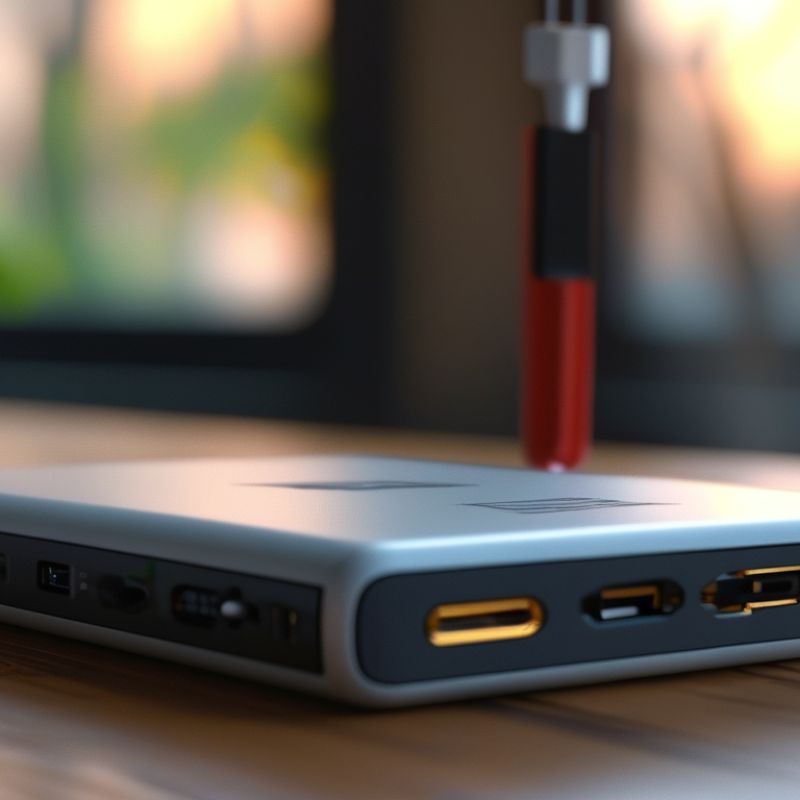
Why Do Some Devices Not Match Certain Source Chargers?

Understanding Device and Charger Compatibility: An Overview

In the realm of technology, the compatibility between devices and chargers often appears confusing. Many users experience issues when attempting to use a charger with a different device. This is largely due to varying voltage, current requirements, and pin configurations. For instance, some devices require specific charging protocols to function correctly. When a charger lacks these features, charging may be inefficient or even impossible.

Understanding the specifications of both devices and chargers can help clarify this mystery. It’s essential to recognize that not all chargers are created equal. A power adapter that works seamlessly with one device might not suit another. This discrepancy can stem from differences in power delivery standards, like USB-C Power Delivery or Qualcomm Quick Charge. Adhering to these standards ensures optimal performance while minimizing risks such as overheating or device damage.

Tips: Always check device specifications before using a charger. Look for labels indicating voltage and amperage. When trying a new charger, monitor device temperature during charging. Avoid using damaged chargers. These precautions can lead to safer and more efficient charging experiences. Remember, a small detail can make a big difference.

Common Factors Affecting Charger and Device Compatibility

Charger and device compatibility can be tricky. Many factors play a role in this mismatch. Different charging standards are a major issue. For example, some devices use USB-C, while others stick to micro USB. This lack of uniformity can lead to frustration among users.

Voltage and amperage also affect compatibility. A charger might deliver too much or too little power for a device. This discrepancy can slow charging or even damage the device over time. Additionally, some chargers are designed for fast charging. If a device isn’t compatible with this technology, it won't charge properly.

Physical connectors may seem similar but are not universally interchangeable. Users often find out the hard way. They connect their devices to the wrong charger only to face issues. This can serve as a reminder to check compatibility first. It’s a crucial step in ensuring both longevity and performance. Some devices might still work with different chargers, but it is a gamble. A moment of care can save future headaches.

The Role of Voltage and Amperage in Charging Efficiency

Voltage and amperage play crucial roles in charging efficiency. Every device requires a specific voltage to operate correctly. If a charger provides too high or too low a voltage, the device may not charge at all. For example, a smartphone typically needs 5 volts, while a tablet may require 12 volts. This discrepancy can lead to overheating or inadequate charging.

Amperage, which measures the flow of electricity, is equally important. Devices often have a recommended amperage range to ensure safe and efficient charging. Using a charger with a higher amperage rating doesn't necessarily mean faster charging. It depends on how the device regulates power intake. Sometimes, devices only accept a limited amount of current. If the amperage exceeds their threshold, malfunction may occur.

In some cases, manufacturers design devices to be compatible with specific chargers. This can create confusion for users who try to use generic chargers. The end result can be slow charging or, worse, damage. Understanding voltage and amperage helps users make informed choices. It also encourages them to rethink their charging habits for optimal device health.

Industry Standards: USB Power Delivery and Quick Charge Technologies

In the world of charging technology, USB Power Delivery (PD) and Quick Charge (QC) are two primary standards. USB Power Delivery offers higher wattage capabilities, enabling devices like laptops to charge quickly. This standard is versatile, supporting various devices. QC, on the other hand, focuses on smartphones, optimizing charging speeds through a different approach.

However, not all devices are compatible with these technologies. Some devices only support one of these standards. This limitation can lead to frustration when a charger is not interchangeable. Users may experience slow charging or, in some cases, no charging at all. This inconsistency raises questions about the efficiency of current manufacturing practices.

Understanding these differences is crucial for consumers. Many people plug in any charger, expecting it to work. But the reality can be disappointing. The technology behind power management is complex. Compatibility issues can stem from the device's design and intended use. Brands often have different interpretations of these standards, leading to more confusion. It's essential for users to be informed.

Impact of Manufacturer-Specific Protocols on Charging Devices

In today's device-driven world, the charging experience can differ significantly. Many users encounter issues with chargers not working seamlessly with certain devices. A major reason for this is the existence of manufacturer-specific protocols. According to a report from the International Electrotechnical Commission (IEC), around 40% of smartphone users report compatibility issues with chargers.

These manufacturer-specific protocols are designed to enhance safety and efficiency. They control the power transfer between the charger and the device, optimizing the charging speed. However, this can lead to incompatibility with third-party chargers. In 2022, a study from the Consumer Technology Association (CTA) revealed that nearly 25% of users had experienced slower charging speeds when using non-branded chargers. This reflects the deep-rooted effects of proprietary technologies.

**Tip:** Always use the recommended charger for your device. If you must use a different charger, check compatibility ratings first.

It's also essential to recognize the need for universal standards. Many industry experts argue that standardized protocols would simplify the charging experience and reduce e-waste. Without such changes, users will continue facing inconsistencies.

**Tip:** Keep your device's software updated. Sometimes, updates can improve compatibility with third-party chargers.

Impact of Manufacturer-Specific Protocols on Charging Devices

FAQS

: What factors affect charger and device compatibility?

: Several factors influence compatibility. Charging standards, voltage, amperage, and physical connectors all play roles.

Why do charging speeds vary between devices?

Charging speeds can differ due to technology limitations. Some devices support fast charging; others do not.

Can a device be damaged by using the wrong charger?

Yes, using an incompatible charger can cause device damage over time. It may also slow down charging significantly.

What are USB Power Delivery and Quick Charge?

USB Power Delivery allows higher wattage for diverse devices, while Quick Charge optimizes speeds mainly for smartphones.

Why do some chargers work with one device but not another?

Manufacturer-specific protocols create compatibility issues. Devices may have unique charging requirements that non-branded chargers can't meet.

How can I ensure my charger is compatible with my device?

Always check for compatibility ratings before using a different charger.

Are there benefits to using branded chargers?

Yes, using recommended chargers can enhance safety and efficiency. Branded chargers are optimized for performance with specific devices.

Can software updates affect charging compatibility?

Yes, keeping your device's software updated can sometimes improve compatibility with third-party chargers.

Why is standardization in charging protocols important?

Standardization could simplify user experiences and reduce e-waste, minimizing future compatibility issues.

What is the risk of choosing a charger randomly?

Randomly selecting chargers can lead to slow charging or even device malfunction. Always prioritize compatibility first.

Conclusion

The article "Why Do Some Devices Not Match Certain Source Chargers?" explores the complexities of compatibility between devices and their chargers. Understanding device and charger compatibility involves considering various factors, including the role of voltage and amperage, which significantly influence charging efficiency. Many devices require specific voltage levels and current measurements to charge effectively, leading to incompatibility when those parameters don't align.

Additionally, the article highlights the impact of industry standards, such as USB Power Delivery and Quick Charge technologies, that dictate how devices communicate with chargers. Manufacturer-specific protocols further complicate this landscape, often resulting in situations where certain devices cannot utilize specific source chargers. By examining these elements, the article provides insight into the reasons behind the mismatch between some devices and their chargers.

Sophia

Sophia

Sophia is a dedicated marketing professional with an exceptional depth of knowledge about her company's products and services. With a keen understanding of market trends and customer needs, she crafts insightful blog posts that not only inform but also engage readers, enriching the company’s online......