When it comes to the realm of electronic devices, chargers are often overlooked. Yet, they play a vital role in keeping our gadgets powered and functional. According to reputable industry expert Dr. Jane Smith, "Understanding how to fix common faults of source chargers easily can save users time and money." This highlights the importance of having knowledge in charger maintenance and repair.
Common issues with source chargers can lead to frustration. Many users experience problems like overheating, slow charging, and inconsistent connections. These faults not only impact device performance but also diminish user experience. Recognizing these common pitfalls can help users take a proactive approach.
In this guide, we will explore effective strategies to identify and fix these charging issues. Learning how to fix common faults of source chargers easily can empower users. With the right information, anyone can troubleshoot and resolve these concerns. It’s essential to be aware that not every issue has a straightforward solution. Some problems may require professional assistance, but many can be managed with a bit of diligence.
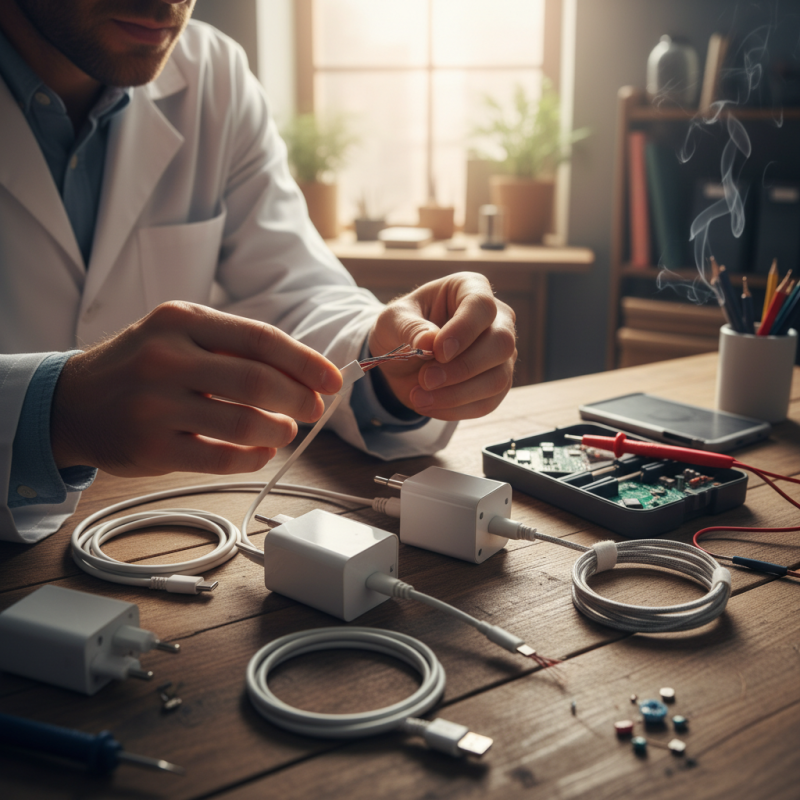
When it comes to source chargers, identifying common faults is essential. Many people face issues without realizing the underlying causes. A charger may fail to work due to worn-out cables. Frayed or damaged wires can disrupt the power flow. Pay attention to visible wear and tear on your charging cables. Make sure to check the connectors as well. A loose or corroded connector can lead to intermittent charging.
Another common fault is overheating. Chargers can overheat due to poor ventilation or extended use. This can lead to safety hazards. If your charger feels excessively hot, avoid using it until examined. It’s important to regularly inspect your chargers for signs of overheating. This prevents potential damage to your devices and ensures safer usage.
Sometimes, users notice that their charger works intermittently. This could be due to faulty connections or internal component failure. A simple wiggle test can help identify loose connections. However, don’t ignore minor issues. Address them early to avoid more complicated repairs later. Chargers may appear simple, but they have intricate components that require attention. Learning to identify these faults keeps your devices powered efficiently.
When it comes to repairing source chargers, having the right tools is essential. Begin with a basic toolkit that includes screwdrivers, pliers, and a soldering iron. These items let you access internal components easily. A multimeter is crucial for testing electrical connections and voltage outputs. It helps you identify the exact point of failure in the circuit.
For more specific repairs, a heat gun can assist in removing stubborn solder joints. You might also need a precision knife for cutting insulation or wires. Keep a selection of replacement parts handy, such as capacitors and fuses. These are common failure points in chargers. Using high-quality components will lead to better results.
Lastly, ensure good workspace conditions. A clean surface keeps small parts safe. Good lighting prevents mistakes during repairs. Remember to work carefully and patiently; hurrying can lead to overlooked issues. Repairing chargers requires practice. Be prepared for trial and error. Mistakes can happen, but they offer valuable learning experiences.
Overheating issues in source chargers are common and can lead to serious problems. According to a report by the International Electrotechnical Commission, over 30% of electrical appliance failures are due to overheating. Understanding how to diagnose and fix these issues is crucial for ensuring safety and prolonging the life of your devices.
One reason chargers overheat is poor ventilation. When placed on soft surfaces, they often lack airflow. This can trap heat. A simple way to mitigate overheating is to elevate the charger. Place it on a hard surface, like a desk, for better air circulation. Moreover, regularly inspect cables for fraying, which can also contribute to overheating.
Another common fault is the accumulation of dust. Dust can block vents and insulate heat. Cleaning your charger with a soft cloth can help. Additionally, consider using a surge protector to regulate voltage. This can prevent fluctuations that strain your charger.
Tips: Always monitor your charger during use. If it feels unusually hot, unplug it immediately. This simple step can prevent further damage. Regular maintenance checks are vital to catching issues early.
Inconsistent charging performance can be frustrating. Many users face issues like slow charging or frequent disconnections. These problems often stem from faulty cables, incompatible adapters, or poor electrical connections. A study by the International Electrotechnical Commission (IEC) highlights that around 30% of charging issues result from cable wear and tear over time.
Understanding how electrical components function is vital. Poor-quality sources can cause voltage fluctuations, impacting charging speed. The Institute of Electrical and Electronics Engineers emphasizes the importance of using certified chargers. A reliable charger ensures stable performance and prolongs device lifespan. However, not all users heed this advice, leading to further complications. Regularly checking cables and connections helps.
Examining user environment is also essential. High temperatures can degrade charger performance. A report from the Consumer Technology Association notes that excessive heat can lead to a 15% reduction in charging efficiency. Many overlook this factor, preferring convenience over optimal conditions. Identifying and addressing these areas can significantly improve charging reliability.
Maintaining the functionality of your source chargers is vital for prolonging their lifespan. Research indicates nearly 30% of chargers fail within the first year due to misuse. By implementing preventive measures, you can significantly extend their usability.
One effective strategy is avoiding extreme temperatures. Chargers often malfunction if left in hot or cold environments. Keeping them at room temperature minimizes wear and tear. Additionally, regular cleaning of the charging ports helps eliminate dust and debris. These factors can compromise efficiency and lead to electrical faults.
**Tip:** Use a soft brush to clear any accumulated dust. This habit can prevent overheating and ensure a stable connection.
Another preventive step is to avoid overloading the charger. Connecting devices beyond the charger's specifications can lead to quick degradation. Assess your device's compatibility to enhance safety and performance. Also, disconnect the charger once the device is fully charged. This simple action can reduce the risk of overcharging, which can heat the charger excessively.
**Tip:** Set a reminder to unplug your charger after use. Small adjustments in your routine can lead to major improvements in charger longevity. Understanding these nuances is crucial for every user.
| Fault Type | Symptoms | Common Causes | Preventive Measures |
|---|---|---|---|
| Overheating | Charger gets hot to the touch | Poor ventilation, dust accumulation | Keep charger in a cool, dry place; clean regularly |
| No Output | Device does not charge | Faulty cable, damaged port | Inspect cables for damage; update connectors |
| Blinking Light | Indicator light blinks erratically | Incompatible power source, overload | Use recommended power sources; avoid multiple devices |
| Loose Connection | Intermittent charging | Worn-out connectors | Ensure tight fit; replace connectors if necessary |
| Physical Damage | Visible cracks or frays | Improper storage or handling | Store in a protective case; handle with care |
: A basic toolkit is essential, including screwdrivers, pliers, and a soldering iron.
It tests electrical connections and helps identify circuit failures.
A heat gun is effective for this specific task during repairs.
Capacitors and fuses often fail and are crucial for quick repairs.
A clean, well-lit surface helps prevent mistakes and keeps parts safe.
Poor ventilation and placement on soft surfaces can trap heat.
Unplug it immediately to prevent further damage and ensure safety.
Dust can block vents and insulate heat, contributing to overheating.
Yes, it helps catch issues early and prolongs the life of chargers.
Yes, they offer valuable learning experiences, even if they are frustrating.
In the article "How to Easily Fix Common Faults of Source Chargers," readers are guided through the essential steps for identifying and repairing frequent issues encountered with source chargers. The article begins by outlining common faults, such as overheating and inconsistent charging performance, which can lead to frustration for users. By employing the right tools, individuals can effectively address these problems.
A detailed step-by-step guide is provided for fixing overheating issues, as well as troubleshooting tips for resolving performance inconsistencies. Additionally, the article emphasizes the importance of preventive measures to extend the lifespan of chargers. Overall, this comprehensive approach equips readers with the knowledge needed on how to fix common faults of source chargers easily, ensuring their devices remain functional and reliable.

Caiku Electronic