How to Compare Source Chargers from Different Brands Effectively?

Time:2026-06-19 Author:Liam
0%

As the demand for reliable power sources increases, consumers face a variety of options. Source chargers from different brands show significant variations in quality and performance. Reports indicate that 35% of users experience compatibility issues with chargers from lesser-known brands. This emphasizes the importance of understanding how to compare different brands of source chargers reasonably.

When it comes to evaluating chargers, several factors should be considered. Charging speed, safety features, and build quality are critical aspects. Numerous studies reveal that branded chargers often outperform generic ones in terms of efficiency and longevity. However, some lesser-known brands may offer competitive products at lower prices. This creates a dilemma for consumers: opting for well-established brands or exploring new entrants that might provide value.

Moreover, customer reviews can be mixed, adding complexity to the decision process. A recent survey highlighted that 60% of buyers read reviews before making a purchase. Nevertheless, not all reviews are reliable. Consumers must discern genuine feedback from biased opinions. In this landscape, understanding how to compare different brands of source chargers reasonably becomes essential for making informed choices.
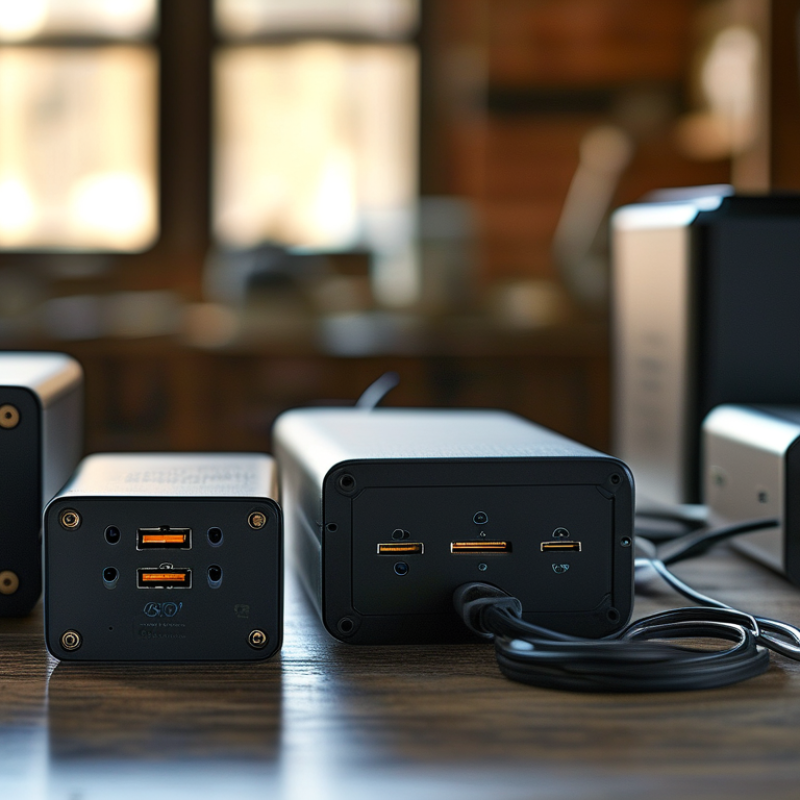
How to Compare Source Chargers from Different Brands Effectively?

Key Specifications to Consider in Source Chargers

When comparing source chargers, key specifications are crucial. Start with output power, typically measured in watts. A higher wattage often means faster charging. However, be wary. Not every device benefits from high wattage; some may require only specific watts. Understanding your device’s charging needs helps avoid overcharging issues.

Another key specification is the voltage and amperage ratings. These measurements determine how much power flows from the charger to the device. Mismatched voltage can cause damage. Look for chargers with built-in protections to ensure safety. Quality materials, like durable cables and robust connectors, also play a role in reliability and longevity.

Don’t overlook size and portability. Some chargers are compact, ideal for travel. Others may be bulkier but offer multi-device functionality. Explore different designs. Reflect on your lifestyle. A charger that fits your routine will serve you best. Balancing specifications with practical needs is vital for effective comparisons.

Understanding Charger Compatibility Across Different Brands

When comparing chargers from different brands, understanding compatibility is crucial. Charger compatibility can vary due to differences in voltage, amperage, and connector type. Many chargers look similar, yet their specifications can significantly impact performance. It’s important to check the output ratings. A charger with inadequate power may charge devices slowly or not at all.

Take note of the connector type used by your device. Some brands have unique connectors that are not interchangeable. This can lead to frustration if you're trying to use an older charger with a new device. Often, users mistakenly assume that all USB connectors are the same. This misunderstanding can result in poor charging performance or potential damage to the device.

Additionally, users might overlook the benefits of multi-port chargers. Such chargers can be versatile, accommodating multiple devices at once. However, the total output must be considered, as shared power can slow down charging times. Testing different chargers may yield varying results. Keep track of which combinations work best for your needs. A little experimentation can lead to a better charging experience.

Evaluating Performance: Charging Speed and Efficiency

When evaluating charger performance, charging speed is crucial. A report from the International Electrotechnical Commission shows that a standard USB charger delivers roughly 5 volts at 2.4 amps. This means a peak power output of about 12 watts. However, advanced chargers can provide much higher speeds. Some models now offer up to 100 watts, significantly reducing charging times for high-capacity devices.

Efficiency is another important factor. A report by the Energy Star program emphasizes that effective chargers maintain high efficiency throughout charging. Good chargers should have at least 85% efficiency. This leads to less energy wasted as heat, benefiting both the user and the environment. Not all chargers meet these standards, resulting in varied performance. Testing shows that some chargers never reach their claimed specifications, falling short in real-world scenarios.

The quality of materials used also impacts performance. Chargers with subpar components can degrade over time. Users often overlook this link. Poorly made chargers may charge devices slowly or even risk overheating. Paying attention to specifications can help users avoid these issues. Always consider reading user reviews and technical comparisons to get a clearer picture of performance.

Design and Portability: Assessing Material and Size

When comparing chargers, design and portability play crucial roles. The material used can significantly impact durability and heat dissipation. For example, chargers made from high-quality plastics or aluminum tend to offer better heat management and longevity. A recent industry report noted that chargers with metal casings can be 20% more effective at dissipating heat compared to their plastic alternatives.

Portability is also essential. A compact size is preferable for on-the-go charging. Most users appreciate chargers that can easily fit into a pocket or a small bag. The average size of a portable charger is around 4.5 x 3 x 1 inches. However, some brands have managed to create chargers as small as a credit card, increasing convenience.

Tips: Always evaluate the weight and size of the charger. Lighter models may compromise power output. Keep an eye on the material to ensure durability. Remember, even the most portable charger might lack essential features, so don’t overlook compatibility and charging speed. Reflect on your needs; a bulky charger with high capacity may be worth sacrificing portability for specific use cases.

User Reviews and Brand Reputation: Gauging Reliability

User reviews play a crucial role in assessing the reliability of source chargers. Consumers often share their experiences online. These insights can highlight both performance and longevity issues. When reading reviews, note the frequency of similar complaints. If multiple users mention overheating or short-circuiting, these issues deserve attention.

Brand reputation also matters significantly. Over time, brands build trust through their performance and customer service. A well-established brand often indicates reliability. However, lesser-known brands may surprise with quality products. It’s essential to consider both aspects. Examine user feedback while also acknowledging a brand's history.

Some reviews might appear biased or too enthusiastic. This can skew perception. Look for balanced viewpoints that discuss both pros and cons. Engaging with various consumer experiences fosters a more informed decision. Reflect on the data you gather. Are the comments based on subjective opinions or factual experiences? This reflection can guide you effectively.

Charging Source Reliability Comparison

FAQS

: What should I consider regarding charging speed?

: Charging speed significantly impacts performance. Advanced chargers can offer speeds up to 100 watts.

How efficient should a charger be?

Look for chargers with at least 85% efficiency to minimize energy waste and protect the environment.

Can all chargers meet their claimed specifications?

Not all chargers perform as advertised. Some struggle to reach their promised charging speeds in real-world use.

How do materials affect charger performance?

Chargers made from high-quality materials typically last longer and charge more effectively than cheaper alternatives.

Why is portability an important factor in charger selection?

A compact charger is more convenient for travel, but size may impact power output.

What effects does charger design have on durability?

Designs that utilize metal casings often dissipate heat better, leading to improved durability over time.

How do I evaluate charger size?

Consider the charger’s dimensions, weighing the benefits of portability against the need for power output.

Should I read reviews before purchasing a charger?

Yes, user reviews provide insight into performance and potential issues that specs may not reveal.

Is a smaller charger always better?

Not necessarily. Smaller chargers can lack features or power compared to bulkier models with higher capacities.

What compromises might I face with lightweight chargers?

Lighter chargers can sometimes sacrifice power output or durability to achieve easy portability.

Conclusion

When considering how to compare different brands of source chargers reasonably, it is essential to focus on several key specifications. First, understanding charger compatibility across different brands is crucial to ensure that the charger will work effectively with your devices. Evaluating performance metrics, such as charging speed and efficiency, allows you to determine how quickly a charger can deliver power, which is vital for user satisfaction.

Additionally, design and portability are important factors, as they influence how convenient a charger is to carry and use. Assessing the materials used, as well as the overall size, can provide insights into the charger’s durability and ease of transport. Lastly, user reviews and brand reputation should not be overlooked; they offer valuable information about reliability and real-world performance, guiding consumers in making informed choices. By weighing these aspects, you can effectively compare source chargers from different brands.

Liam

Liam

Liam is a dedicated marketing professional with a profound expertise in the industry, where he excels at highlighting the unique advantages of our core products. With a keen understanding of market trends and consumer needs, Liam frequently updates our company’s professional blog, providing......