In today's tech-driven world, maintaining your devices is crucial, especially when it comes to chargers. "How to maintain a source charger for longer service life" is a key question among users. According to electrical engineer James Howard, "Proper care can significantly extend the lifespan of your charger." His insights highlight the importance of adopting best practices.
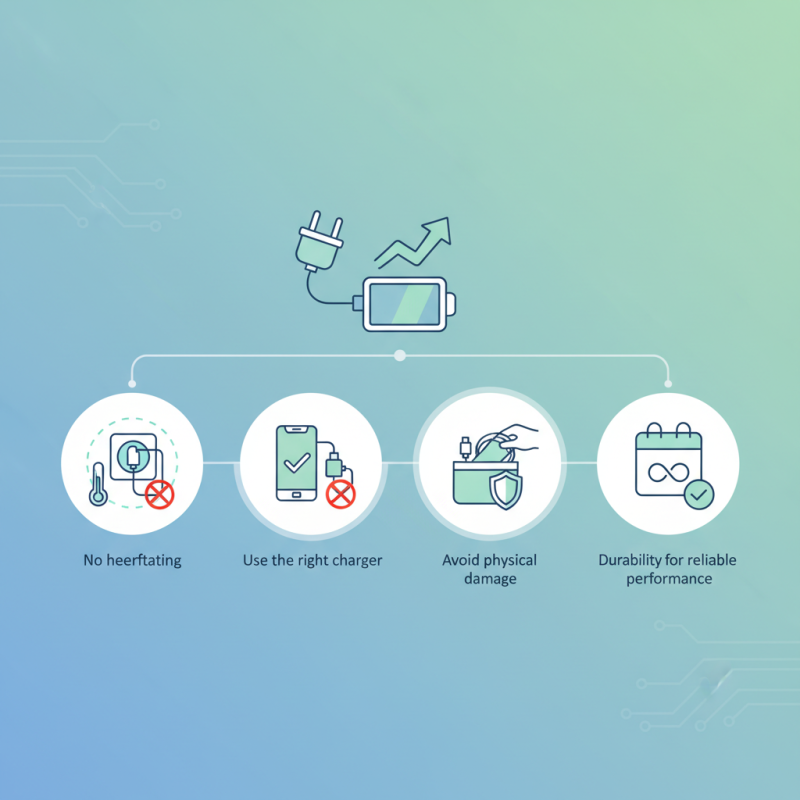
Many overlook the everyday usage that can lead to premature failure. For instance, leaving a charger plugged in when not in use can cause overheating, damaging its internal components. Furthermore, using a charger that is not designed for your specific device can strain its circuitry. Simple habits, like unplugging after use, can make a difference.
It's also vital to avoid physical damage. Frayed cables and bent connectors result from improper handling. Investing in protective storage options is a wise choice for longevity. Reflecting on these points can inform better practices. The goal is not just to use, but to ensure durability for reliable performance.
Understanding the components of your charger can help extend its life. Most chargers consist of a power adapter, a cable, and connectors. Each part plays a crucial role in delivering electricity to your device. The power adapter converts AC to DC current. This change is essential for charging your devices safely.
Cables also deserve attention. They can wear out over time, especially at the ends where they connect. A frayed cable can lead to poor charging performance. If you notice any damage, it is better to replace it sooner than later. Connectors, too, can become loose or corroded. Regularly inspect these areas for any signs of wear.
Heat is another factor that affects charger lifespan. Avoid placing your charger on soft surfaces that may block ventilation. Instead, choose a hard, flat surface. Prevention goes a long way. Simple care measures can significantly impact the longevity of your charger.
Common issues often lead to a surprisingly short charger lifespan. One major factor is overheating. Placing chargers in direct sunlight or on soft surfaces can cause them to heat up. When this happens, internal components may degrade faster. Make sure to use your charger in well-ventilated areas. Frequent unplugging can also cause wear on connectors. This might not seem significant, but it can lead to loose connections over time.
Another issue is the accumulation of dust and debris. Chargers can pick up dirt, which can obstruct ports and leads. A dirty charger is less efficient and more prone to malfunctions. Regular cleaning can help prevent this problem. Using chargers with improper voltage can seriously damage devices. This often occurs when using off-brand products. Always check compatibility before plugging in.
Poor cable management can also play a role. Over time, bending cables can cause internal wires to break. Keep cables tidy and avoid sharp bends. Assess your charging habits. If you tend to leave devices plugged in longer than needed, consider setting reminders. These small adjustments might extend the life of your charger significantly.
When using your charger, safety should always come first. Overheating can damage both the charger and your device. Avoid placing your charger on soft surfaces like beds or couches, as these can trap heat. Instead, use a hard, flat surface. Keep the area around the charger clean and free from clutter. This helps prevent any accidental damage or fire hazards.
Another crucial tip is to avoid using your charger in extreme conditions. High humidity or direct sunlight can lead to problems. Moisture can cause short circuits, while extreme heat may degrade the charger. Always check your charger for frayed cables or signs of wear. These can be indicators that it's time for a replacement. Regular inspections can help prevent unexpected failures.
Charging habits matter too. Don’t leave your device plugged in overnight regularly. This can stress the battery and charger over time. Listen to your charger; strange noises could suggest issues. Ensure your charger is compatible with your device. This can prevent many common issues. Remember, chargers are not meant to last forever. Reflect on your usage and make adjustments when needed. Good practices enhance safety and longevity.
Taking care of your source charger can extend its life significantly. Regular maintenance is crucial to ensure it functions efficiently over time. Here are some practical tips to help you maintain your charger effectively.
Keep all surfaces clean. Dust and debris can accumulate in the charger’s ports. Use a soft, dry cloth to wipe it regularly. This simple action helps prevent any potential connectivity issues. Don't forget to unplug the charger when it's not in use. Leaving it plugged in can lead to overheating. It’s easy to forget, but remembering this can save your device from damage.
Inspect the cables for any signs of wear. Check for frays, bends, or exposed wiring. Sometimes, small issues can escalate quickly. If you see a problem, consider repairing or replacing the charger. Proper storage also matters. Avoid wrapping the cables tightly. Instead, loosely coil them to prevent stress on the wires. These small steps can make a huge difference in charger longevity.
| Maintenance Tip | Description | Frequency |
|---|---|---|
| Keep It Clean | Regularly wipe the charger and ports to remove dust and debris. | Weekly |
| Avoid Overheating | Ensure proper ventilation while charging, and avoid charging on soft surfaces. | Every Use |
| Inspect for Damage | Regularly check the cable and connectors for wear or fraying. | Monthly |
| Use the Correct Voltage | Always use a charger that matches the specifications of your device. | Every Use |
| Avoid Leaving Plugged In | Unplug the charger when not in use to prevent wear on the circuit. | Every Use |
Recognizing when to replace your charger is essential for safety and device longevity. A frayed cable is a clear sign your charger needs replacement. Research indicates that over 25% of users overlook this issue, risking overheating or electrical failures. Regular inspections can prevent accidents.
Another sign includes inconsistent charging. If your device often disconnects or takes longer to charge, this indicates wear in the charger. According to industry data, 30% of users experience this problem but often wait until it worsens. Delaying replacement could lead to more significant issues, including damaging your device’s battery.
Finally, unusual sounds or smells from the charger are red flags. Charging should be quiet and unobtrusive. Reports show that neglecting these signs leads to a 15% increase in incidents related to charger malfunctions. If you notice any unusual behavior, it’s wise to reassess the charger immediately. Being proactive safeguards your devices and enhances overall safety.
: A charger typically consists of a power adapter, a cable, and connectors. Each is essential for charging.
Cables can fray over time, especially at the connectors. This can lead to poor charging performance.
Avoid soft surfaces that trap heat. Use a hard, flat surface instead for better ventilation.
Extreme humidity and direct sunlight can cause damage. Moisture may lead to short circuits.
Regular inspections for frayed cables and wear are crucial. It helps catch issues before they worsen.
Look for frayed cables, inconsistent charging, or unusual sounds. These are clear signs for replacement.
Yes, frequent overnight charging can stress both battery and charger. It's best to avoid this habit.
Unusual sounds suggest issues. It's wise to check or replace your charger immediately for safety.
Simple care measures like avoiding heat and regular inspections can significantly enhance your charger’s longevity.
No, chargers have a limited lifespan. Reflect on your usage and adjust habits when necessary.
To extend the life of your source charger, it's essential to understand its components and how they function. Common issues such as overheating, wear and tear, and cable damage can significantly shorten a charger's lifespan. Therefore, it’s crucial to adopt best practices for safe usage, such as avoiding overexertion, keeping the charger away from moisture, and using it on stable surfaces.
Regular maintenance tips include cleaning the connectors and inspecting the cables for any signs of fraying. It's equally important to recognize when to replace your charger—watch for signs like slow charging or inconsistent power delivery. By following these guidelines on how to maintain a source charger for longer service life, you can ensure that your device remains efficient and reliable over time. Proper care can significantly contribute to maximizing the lifespan of your charger.

Caiku Electronic