What is the future trend of source charger technology?

Time:2026-07-13 Author:Charlotte
0%

As the technology landscape evolves, the question arises: What is the future development trend of source charger technology? The demand for efficient, sustainable charging solutions is on the rise. According to a recent report by the International Energy Agency (IEA), the global market for electric chargers is predicted to exceed $30 billion by 2026. This growth highlights the urgency for advancements in source charger technology.

Current trends indicate a shift towards faster charging capabilities. Many experts foresee the integration of AI to optimize energy management. However, this rapid evolution raises concerns about standardization and compatibility. The industry must find a balance between innovation and user-friendly designs. A survey by Deloitte found that 70% of consumers are willing to try new charging technologies, but reliability remains a key factor.

Moreover, environmental implications are crucial. The push for sustainable materials in charger production is gaining traction. The focus should not only be on performance but also on reducing e-waste. As companies innovate, transparency in their environmental practices will be paramount. Addressing these challenges is essential for shaping the future of source charger technology, ensuring it meets both user demands and environmental standards.
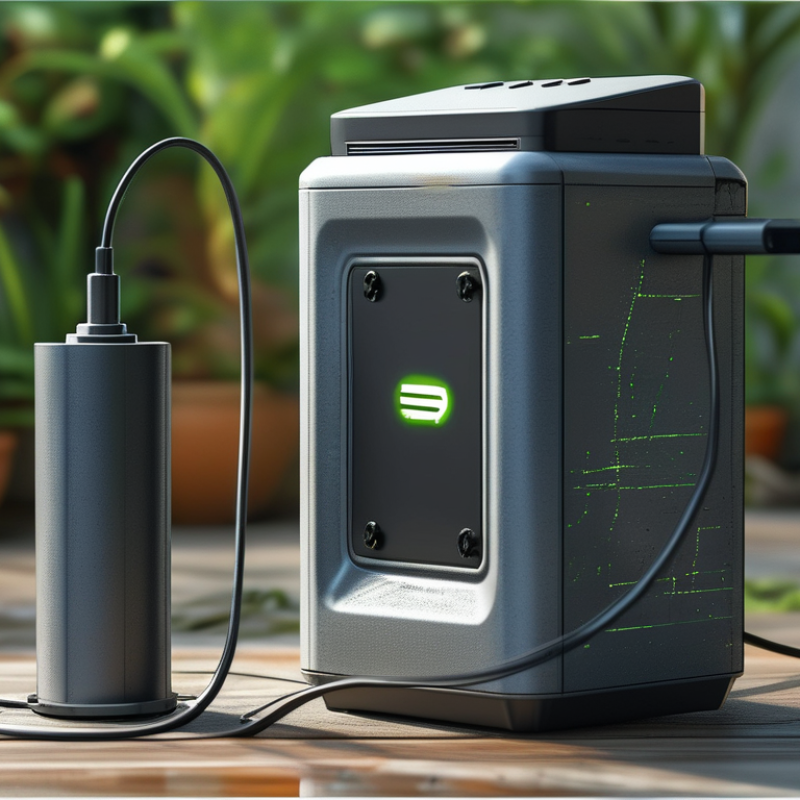
What is the future trend of source charger technology?

Current State of Source Charger Technology

The current state of source charger technology is evolving rapidly. Recent reports indicate that the global market for fast charging is projected to reach $30 billion by 2026, reflecting a strong demand. Innovations focus on reducing charging time significantly while increasing energy efficiency. Many manufacturers are creating chargers that support multiple standards, enhancing consumer convenience.


However, challenges remain. Existing technological barriers, such as thermal management and battery lifespan, still need attention. Advanced materials, like graphene, present promising solutions but require further research for widespread implementation. The industry also grapples with standardization; varying protocols complicate universal compatibility.


Data from industry surveys show user frustration with varying charging speeds across devices. Many consumers expect clarity on charger performance. The push for universal solutions may lead to better user experiences, yet educational gaps persist. As the market grows, stakeholders must prioritize collaboration to address these issues. Keeping pace with consumer needs will shape the future landscape of source charger technology.

Emerging Trends in Wireless Charging Solutions

Wireless charging technology is evolving rapidly. Many consumers are looking for convenient and efficient charging solutions. This surge in demand is pushing innovation in wireless chargers. The latest trends reflect focus on speed, efficiency, and versatility.

One emerging trend is the development of resonant inductive charging. This method allows multiple devices to charge simultaneously. Imagine charging your phone, earbuds, and smartwatch all at once on a single pad. It simplifies life but raises questions about efficiency. What if one device drains the power faster than others? This requires careful consideration.

Another exciting trend is the advent of long-range wireless charging. This technology allows devices to charge from a distance, eliminating the need for close proximity. It sounds convenient, but reliability can be an issue. If the connection is weak, charging may be inconsistent. Users might face frustrations when their device fails to charge. These challenges highlight the need for further advancements in the technology.

Integration of Renewable Energy in Charging Technology

The integration of renewable energy into charging technology shows great promise. Solar and wind energy are now viable options for powering charging stations. As battery technology advances, it becomes easier to harness these resources. This trend reduces our reliance on fossil fuels. It also lessens the carbon footprint of transportation.

Moreover, many charging stations are now being designed to incorporate renewable energy sources. This shift encourages the development of decentralized energy systems. These systems provide more resilience during power outages and energy crises. However, there are challenges. The initial costs of solar panels or wind turbines can be high. Not all regions have equal access to renewable resources.

Public awareness and education will play a key role in this transition. Users need to understand the benefits of renewable charging technologies. This knowledge can drive demand and investment in these systems. As the technology matures, cost reductions may follow. We must also consider the environmental impact of the materials used in charging infrastructure. Balancing innovation with responsibility will be crucial for the future.

Impact of USB-C Standardization on Future Chargers

The push for USB-C standardization is reshaping the landscape of charger technology. As more devices adopt this universal connector, compatibility issues may soon become a relic of the past. USB-C simplifies our technology ecosystem. One cable can charge multiple devices efficiently. This stands to benefit consumers greatly.

However, the transition might not be seamless. Older devices will require adapters or converters, which can increase waste and inconvenience. The expectation that everyone will switch to USB-C immediately is unrealistic. Consumers should prepare for a phase of mixed technologies in the market.

Tips: When purchasing new devices, opt for those that utilize USB-C. This choice future-proofs your technology and reduces clutter. Stay updated on charging options to avoid buying unnecessary accessories. Understanding the shift can save both time and money in the long run.

Challenges and Innovations in Fast Charging Technologies

The rapid development of fast charging technologies brings both opportunities and challenges. Users demand quicker charging times, pushing developers to innovate. Current methods often rely on high voltage and current, which can generate heat. Excess heat affects battery life and safety. Manufacturers must balance speed and longevity in their products.


Innovative solutions are emerging to tackle these issues. For instance, some researchers are exploring solid-state batteries. These batteries are safer and promise longer life cycles. However, scaling production remains an obstacle. Engineers are also investigating advanced cooling systems to dissipate heat more effectively. While these innovations show promise, they still require rigorous testing to prove reliability and efficiency.


Consumer expectations continue to evolve. Users want seamless charging experiences without sacrificing battery lifespan. As the industry moves forward, collaboration among experts will be crucial. Insights from various fields can lead to breakthroughs. Addressing safety concerns is also paramount. Current solutions may not guarantee safety for all users. Continuous improvement and innovation are essential for a sustainable future in fast charging.

FAQS

: What is the current market trend for fast charging technology?

: The global market for fast charging is expected to reach $30 billion by 2026, indicating strong demand.

What challenges do manufacturers face in charger technology?

Manufacturers deal with thermal management and battery lifespan issues. These factors still need focused research and solutions.

How does renewable energy integrate with charging stations?

Renewable energy sources, like solar and wind, are increasingly used to power charging stations, reducing fossil fuel dependence.

What are the benefits of USB-C standardization?

USB-C offers universal compatibility, enabling one cable to charge multiple devices. This streamlines our technology ecosystem.

Are there potential downsides to transitioning to USB-C?

Older devices may need adapters, leading to more electronic waste. The transition will likely take time, with mixed technologies.

How can consumers make wiser choices when purchasing chargers?

Choose devices that utilize USB-C to future-proof your technology. This approach reduces clutter and saves money.

Why is public awareness important for renewable charging technologies?

Educating users on renewable chargers can foster demand. Increased awareness can drive investment and interest in these technologies.

What role does environmental impact play in charging infrastructure?

It's crucial to balance innovation with environmental responsibility. Consider the materials used in charging solutions for sustainability.

What materials are promising for future charging technology?

Advanced materials, like graphene, show potential but need further research before widespread use is feasible.

How can stakeholders improve user experience in charger technology?

Collaboration among stakeholders is essential. Addressing user frustrations about charging speeds and standardization will enhance experiences.

Conclusion

The future development trend of source charger technology is poised for significant transformation as several key factors emerge. Currently, the landscape is dominated by the shift towards wireless charging solutions, which promise greater convenience and efficiency. As these technologies evolve, the integration of renewable energy sources is becoming increasingly important, paving the way for more sustainable charging options. Furthermore, the standardization of USB-C is set to unify charging capabilities across devices, potentially reducing electronic waste and enhancing user experience.

However, challenges remain, particularly in the realm of fast charging technologies. Ongoing innovations are necessary to address issues such as heat management and energy efficiency, which will ultimately dictate the feasibility of next-generation chargers. In summary, the future of source charger technology will be shaped by the convergence of wireless solutions, renewable energy integration, and enhanced performance standards, reflecting a commitment to sustainability and user-centric design.

Charlotte

Charlotte

Charlotte is a seasoned marketing professional with a deep understanding of the company's portfolio and a passion for elevating its presence in the market. With a keen eye for detail and a commitment to excellence, she ensures that our professional blog is regularly updated with insightful articles......