In today's tech-centric world, choosing the right charger is essential. Many individuals overlook the quality of their chargers, opting for cheaper, less reliable options. This can lead to safety risks and inefficiency. Understanding how to identify a high-quality source charger from normal ones can enhance device performance and prolong battery life.
High-quality chargers are designed with safety features to protect your devices. They typically include over-current and short-circuit protection, ensuring safe charging. A reputable charger also maintains consistent voltage output, which prevents damage to your device. When evaluating chargers, consider the materials and certifications. Look for manufacturers with established credibility and positive customer feedback.
While it may seem easy to pick a charger, many factors complicate the decision. Price alone is not a determinant of quality. Cheaper chargers may save money upfront but could lead to significant issues later. Reflect on your charging needs and research options thoroughly. A reliable charger is an investment in your device's longevity and your safety.
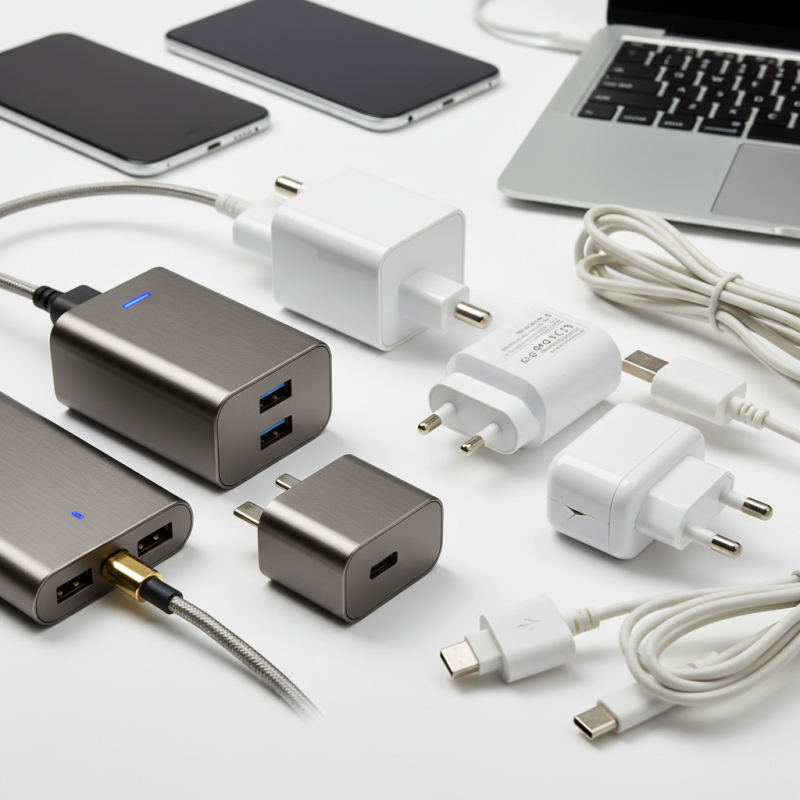
Choosing a quality charger is essential for maintaining the health of your devices. A report by the International Energy Agency found that poor quality chargers can lead to overheating, which may damage your device over time. This is a common issue that users overlook. Many chargers do not meet safety standards, risking both device integrity and user safety.
The importance of a reliable charger cannot be stressed enough. A well-designed charger can ensure efficient energy transfer, minimizing energy loss. According to the Consumer Electronics Association, over 60% of consumers report issues with charger performance. It’s frustrating when a device takes longer to charge than expected. Investing in a quality charger can lead to faster charging, benefiting users in their daily routines and prolonging battery life.
Finding a charger that suits your needs involves more than just looking for a low price. Pay attention to the specifications. A better charger often has a higher efficiency rating. Consider your devices' requirements, as mismatched chargers may not provide optimal performance. A thorough understanding of these factors is crucial for any tech user today.
Choosing the right charger can greatly enhance your device's performance. High-quality chargers share key features that ensure efficiency and safety. Many industry reports indicate that around 30% of consumers experience issues with inferior chargers. Look for chargers that offer overcurrent protection and short-circuit prevention. These features help to avoid battery damage and prolong the lifespan of your devices.
It’s also important to check the power output. Chargers with adaptive output can adjust to your device's needs. According to studies, devices charged at optimal rates perform better and charge faster. Aim for chargers with at least 2.4A output for smartphones and 3A for tablets. These ratings generally ensure quicker charging without overheating.
Tips: Always inspect the materials used in the charger. A rugged build is often a sign of quality. Be cautious with overly cheap options; they may lack essential safety features. Finally, consider user reviews and expert ratings, as they provide insight into long-term reliability. Quality chargers are an investment in your devices' health.
When selecting a charger, understanding the various types and their respective suitability is crucial. A report from the International Electrotechnical Commission highlights that fast chargers can deliver power up to 100W, suitable for laptops and high-capacity devices. Standard chargers, often rated around 5W, work well for smartphones and smaller gadgets. Each type serves a specific need, making appropriate choices essential.
Tips: Look for chargers with multiple output options. This allows for flexibility in powering different devices. Pay attention to the voltage and current specifications to ensure compatibility and avoid potential damage.
Another important factor is charging speed. Research indicates that a quality charger can significantly reduce charging time. Quick Charge technology provides a fast option, but not all devices support it. It’s worth checking specifications before purchase. While a high-quality charger is essential, investing in a poorly made one can lead to inefficiencies and dangerous situations.
Consider the materials used in the construction of the charger. Investing in chargers made with durable materials can enhance longevity. However, not all expensive chargers guarantee safety and performance. It's wise to read user reviews and conduct thorough research to make informed decisions.
| Charger Type | Output Power | Suitable Devices | Charge Time | Portability |
|---|---|---|---|---|
| Wall Charger | 5W - 65W | Smartphones, Tablets, Laptops | 1-2 hours | Low |
| Power Bank | 5W - 100W | Smartphones, Tablets, Wearables | Varies by capacity | High |
| Car Charger | 5W - 30W | Smartphones, GPS Devices | 1-2 hours | Medium |
| Wireless Charger | 5W - 15W | Smartphones, Earbuds | 2-3 hours | Medium |
| Desktop Charger | 30W - 100W | Laptops, High-Power Devices | 1 hour | Low |
When searching for a high-quality charger, considering brand reputation and customer reviews is crucial. A survey conducted by the Consumer Technology Association revealed that 72% of consumers rely on reviews to make purchasing decisions. This statistic underscores the importance of gathering insights from other users about their experiences.
Look for brands with a strong track record. Industry leaders often invest in quality assurance processes. This enhances their credibility. However, some lesser-known brands have emerged with innovative designs and competitive pricing. Be aware that not all new brands can deliver quality.
Tips:
Always check customer feedback on various platforms. Pay attention to both positive and negative reviews. Look for patterns in customer experiences. A charger with consistent issues might not meet your needs.
Additionally, examine the warranty offered by the manufacturer. A solid warranty reflects the brand's confidence in its product. Yet, some companies may provide lengthy warranties without substantial product backing. This should raise a red flag.
Remember, not every popular brand guarantees quality. Scrutinize the details of the product specifications. Sometimes, cells used in lower-end chargers may not deliver reliable performance consistently. Consider your specific charging needs, as different devices demand various power outputs.
When choosing a charger, safety standards and certifications are paramount. Look for chargers that meet international safety standards, such as UL, CE, or FCC. These certifications ensure that the charger has undergone rigorous testing. According to a report by the Consumer Technology Association, more than 30% of phone fires result from subpar chargers. Choosing a certified product can significantly reduce safety risks.
An essential aspect of charger certification is the presence of overcurrent and overvoltage protection. Many low-cost chargers lack these features. A study by the International Electrotechnical Commission highlighted that devices equipped with safety standards had a 50% lower failure rate. This data reflects the importance of proper precautions in electronics. Opting for chargers that lack these basic safety measures can lead to potential hazards.
Be cautious with generic chargers. While they may offer lower prices, they often cut corners on safety. Devices without certifications may not only damage your gadgets but can also pose fire hazards. In fact, the National Fire Protection Association reports that around 700 home fires each year are linked to electrical malfunctions caused by faulty chargers. Prioritizing safety-focused chargers is key for peace of mind and device longevity.
: Chargers can be fast or standard. Fast chargers can deliver up to 100W. Standard chargers usually provide around 5W.
Checking specifications ensures compatibility. It helps avoid potential damage to devices from incorrect voltage or current.
Charging speed differs across chargers. A quality charger can significantly reduce charging time, especially with Quick Charge technology.
Look for durable materials in chargers. They enhance longevity but don't guarantee safety or performance every time.
Customer reviews provide real user insights. They reveal both positive and negative experiences, helping you make informed choices.
A good warranty shows manufacturer confidence, but lengthy warranties without backing may indicate potential issues. Consider this carefully.
Some lesser-known brands may have innovative designs. However, not all new brands ensure quality, so do thorough research.
No, different devices require various power outputs. Make sure the charger meets your specific charging needs for optimal performance.
When considering how to identify a high-quality source charger from normal ones, it’s essential to recognize the significance of using a quality charger for the longevity and efficiency of your devices. A high-quality charger not only ensures faster charging speeds but also minimizes the risk of overheating or malfunctioning, which can compromise your device's safety and performance.
Key features to look for include charging speed, compatibility with various devices, and build quality. Additionally, comparing different charger types, such as wall adapters, portable chargers, and wireless options, can help you understand their suitability for your specific needs. Moreover, evaluating a charger’s brand reputation and customer reviews provides insights into its reliability, while familiarity with safety standards and certifications ensures that you select a charger that meets essential safety criteria. By considering these factors, you can make an informed decision and choose a charger that best fits your requirements.

Caiku Electronic