A charger can look unchanged while heat slowly affects the parts inside it. Warm air, a sunny windowsill, or a tightly packed power strip can raise its operating temperature. Cold conditions may also change how components behave, especially during startup or heavy use. The effects depend on the charger’s design, workload, ventilation, and build quality. There is no single temperature that predicts every charger’s lifespan.
How does temperature affect the working life of source chargers? In practical terms, repeated heat exposure can put extra stress on capacitors, insulation, and other electronic components. A charger used in a cool, open area may experience less thermal stress than one left beneath a blanket or inside a hot car. Still, temperature is only one part of the picture. Charging habits, dust, cable condition, and power quality can matter too. The answer is not perfectly neat.
This guide explains what heat and cold can mean for charger performance, which everyday conditions deserve attention, and how to reduce avoidable wear. It also distinguishes normal warmth from signs that call for caution, such as a damaged casing, a burning smell, or unusual noise. Manufacturer guidance should take priority, since safe operating ranges differ by model. Small changes help. Keep ventilation clear, avoid covering a charger in use, and store it away from direct sun. These steps cannot guarantee a longer life, but they make the conditions more predictable.
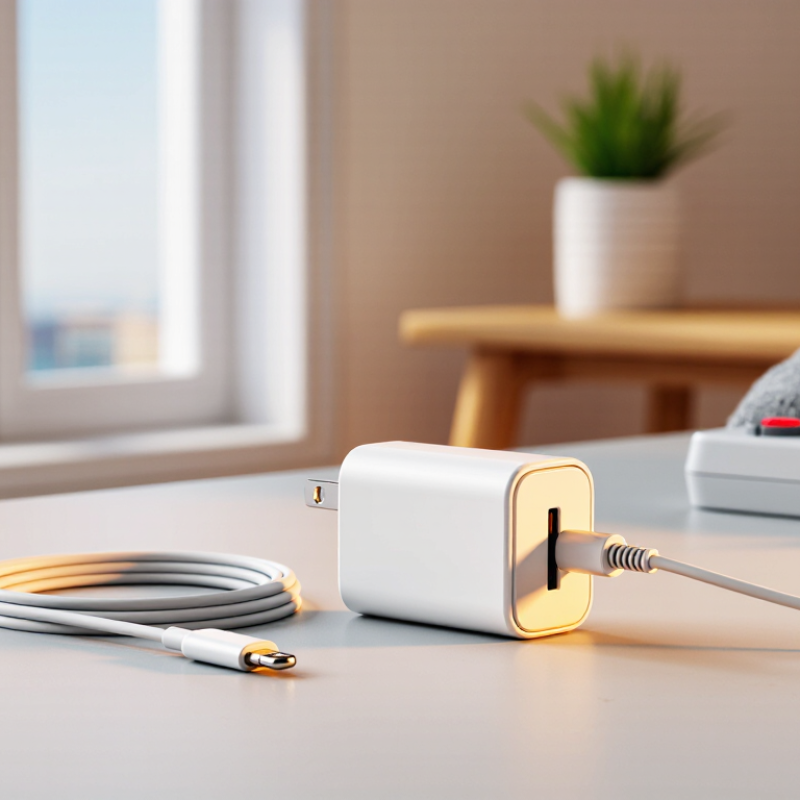
A charger’s lifespan is the period it can deliver its rated output safely and reliably, not simply the time before it stops working. Ambient temperature is the air around the charger, while internal components can run much hotter. A charger rated for a particular operating-temperature range is intended to work within that range; it is not promised to last equally long at every temperature. Heat speeds aging in parts such as electrolytic capacitors, and many capacitor estimates assume a specific temperature and load. Those estimates are useful, but they are not a warranty.
For example, a charger tucked behind a sofa may have little airflow and feel warm after hours of use. The room may seem comfortable, yet its internal temperature can climb. High ambient heat, sustained heavy load, and repeated hot-to-cool cycles can all shorten component life. Cooler conditions generally help, but temperature alone cannot predict an exact failure date. Component quality, circuit design, dust, and usage matter too. The awkward part: published component ratings do not reveal the exact lifespan of a complete charger.
Tips: Keep the charger uncovered, away from heaters and direct sun, and use it in its stated temperature range. If it becomes unusually hot, smells odd, or its casing changes shape, stop using it and seek qualified guidance. A little warmth under load can be normal; “warm” is not a precise measurement.
The estimates below illustrate how ambient temperature can affect a charger’s life-limiting electrolytic capacitor. They assume a capacitor rated for 105°C and 2,000 hours, an illustrative internal temperature rise of 20°C above ambient, and the common estimation rule that capacitor life approximately doubles for each 10°C decrease in operating temperature.
| Ambient temperature | Illustrative capacitor temperature | Estimated capacitor life* | What this suggests for charger lifespan |
|---|---|---|---|
| 25°C (77°F) | 45°C (113°F) | About 128,000 hours | A moderate ambient temperature generally reduces thermal stress on components. |
| 35°C (95°F) | 55°C (131°F) | About 64,000 hours | The capacitor’s estimated life is roughly half that at a 10°C lower operating temperature. |
| 45°C (113°F) | 65°C (149°F) | About 32,000 hours | Sustained heat can accelerate capacitor aging and may shorten the charger’s service life. |
| 55°C (131°F) | 75°C (167°F) | About 16,000 hours | High ambient heat leaves less thermal margin and can increase stress on multiple components. |
*These are illustrative capacitor-life projections, not guaranteed charger lifespans. Actual internal temperature depends on load, enclosure, ventilation, and design. A charger may fail earlier because of other components, electrical stress, or repeated temperature cycling; follow its specified operating-temperature limits.
Not necessarily. Warmth can occur during normal operation, but unusually high heat deserves attention. The casing alone cannot confirm internal temperatures.
Yes. Heat can speed aging in capacitors and insulation. A charger behind a sofa may stay warmer than one on an open desk.
Check near the vents and around the plug. Record room temperature and charger load, then compare readings after steady operation. One spot is not enough.
No. It is only a screening check. Formal assessment requires defined tests and qualified evaluation; one reading can be misleading.
No. The charger’s rated range concerns surrounding air and its circuitry. Battery guidance commonly gives 0–45°C for lithium-ion charging at the cell.
It is better to let it warm naturally first. Below 0°C, charging can damage lithium-ion cells. A charger case does not show battery temperature.
Keep vents clear and place it on a firm, open surface. Avoid sunlight, heaters, blankets, and closed drawers. Small details matter.
Stop using it and check the device instructions. An unusual smell or repeated shutdowns also deserve attention. Guessing is not a great test.
A charger’s lifespan depends not only on how often it is used but also on the ambient temperature and the temperature limits of its internal components. Heat accelerates aging, especially in electrolytic capacitors: as a general rule, an increase of about 10°C can roughly halve a capacitor’s expected service life. Actual results vary with component quality, load, ventilation, and time spent at elevated temperatures. Thermal-safety requirements help ensure that a charger does not exceed safe operating temperatures, but passing safety tests does not mean that prolonged heat has no effect on longevity.
How does temperature affect the working life of source chargers? It affects both the charger’s internal components and the battery being charged, and their temperature limits are not necessarily the same. Common lithium-ion charging guidance recommends charging within a moderate range, often around 0–45°C, while the charger itself must be used within its stated ambient-temperature range. To reduce thermal stress, keep the charger ventilated, avoid covering it, and do not use or store it in unusually hot or cold conditions.

 Caiku Electronic