In today's fast-paced digital world, the importance of reliable charging solutions cannot be overstated. Many consumers face a dilemma: How to identify a high-quality source charger from normal ones? With various options available, choosing the right charger can be overwhelming. Low-cost chargers may seem appealing but can lead to device damage or safety hazards.
Quality chargers often feature robust materials and advanced technology. It is essential to examine details such as the cord's thickness and the plug's construction. A well-designed charger tends to have better durability and efficiency. Look for certifications that guarantee safety and performance. Reading user reviews can also help identify reliable sources.
Many people overlook these factors and end up disappointed. Prioritizing quality over price is crucial but challenging. Consumers must develop a keen eye for detail to make informed choices. Understanding what differentiates a quality charger is the first step in protecting your devices and ensuring long-term satisfaction.
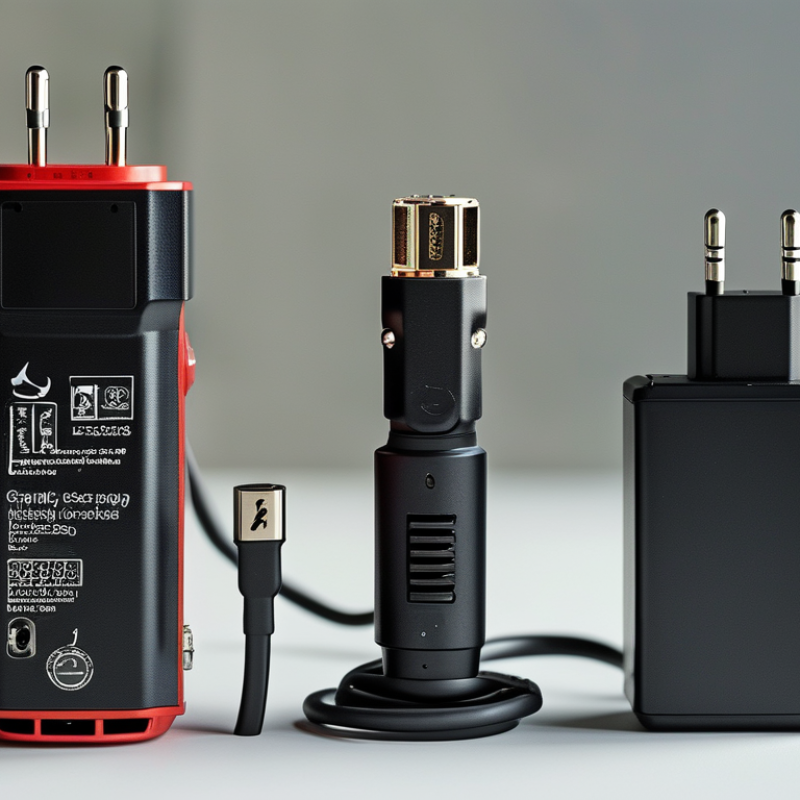
When it comes to device longevity, the importance of using quality source chargers cannot be overstated. A reliable charger ensures that your device receives consistent voltage and current, which are crucial for its health. Poor-quality chargers often lead to overheating and damage. These chargers might not provide the needed power, resulting in slow charging or battery strain.
Choosing the right charger isn't always straightforward. Many chargers look similar but differ significantly in performance. Researching and understanding specifications is vital. Look for chargers with built-in protection against overload and short circuits. A charger that meets safety standards can make a difference in your device's lifespan.
Reflecting on past experiences, it's clear that many users often choose affordability over quality. This short-term thinking may save money now but can lead to costly repairs later. Taking the time to invest in a well-made charger is an important step in protecting your device. Prioritizing quality over price will pay off in the long run.
When selecting a quality source charger, several key characteristics stand out. A reliable charger typically features robust build quality, which can withstand daily use. You should check for strong connectors and sturdy cables. These components significantly influence a charger's longevity and efficiency.
Another crucial aspect is the charger’s output specifications. Quality chargers often support fast charging capabilities. Verify compatibility with your device. Chargers with smart technology can adjust voltage and current. This ensures safe and efficient charging for your devices. Low-quality options may not have this feature, risking overheating or damage.
Additionally, user reviews are invaluable. Seek out feedback from customers who have used the chargers. Look for patterns in their experiences. This can reveal insights about a charger's real-world performance and reliability. Notably, some users may overlook details about heat generation or charging speed discrepancies, showing the need for wisdom in decision-making. Therefore, thorough research is essential. Quality sources will often display certifications or safety ratings. These labels signify adherence to industry standards, making them a safer investment.
| Characteristic | Quality Chargers | Regular Chargers |
|---|---|---|
| Build Quality | Durable materials, high-quality connectors | Low-cost materials, prone to wear |
| Certification | Meets international safety standards (e.g., UL, CE) | Often lacks recognized certifications |
| Output Power | Higher wattage for faster charging | Lower wattage, slower charging times |
| Protection Features | Overcharge, overheating, and short-circuit protection | Minimal or no protection features |
| Warranty | Long warranty period, indicating confidence | Short or no warranty |
When searching for a quality source charger, understanding safety standards is crucial. UL (Underwriters Laboratories) and CE (Conformité Européenne) certifications play a significant role in gauging charger quality. These markings signify adherence to rigorous safety assessments and quality benchmarks, ensuring that chargers are reliable and safe for daily use.
Choosing a charger without recognized certifications can lead to safety hazards. Devices that lack UL or CE markings might not have undergone thorough testing. This can result in overheating, short circuits, or even damage to your devices. It's essential to look for these certifications when making your selection.
Tips: Always check for the UL and CE logos on the charger. Even if a charger seems appealing based on price or design, certifications are more important. Create a simple checklist of approved certifications for quick reference while shopping. If a product doesn't meet these standards, consider looking elsewhere. Safety should never be compromised for cost.
When choosing a charger, efficiency is crucial. The output ratings, typically measured in volts and amps, directly impact charging speed. Higher ratings often mean quicker charging. A charger with 2.4A output can charge devices significantly faster than one with 1A. This difference becomes evident during daily use.
However, higher output doesn't always guarantee better performance. Compatibility with your device matters. Using a charger with too high an output may lead to overheating issues. Inexperienced users might overlook this, leading to potential damage over time. It’s essential to match the charger to the device’s specifications.
Consider the build quality of the charger as well. Poor-quality materials can affect efficiency. A well-constructed charger uses materials that dissipate heat effectively. Be wary of chargers that feel lightweight; they may compromise performance. Sometimes, investing a bit more pays off in reliability and safety. Consider both speed and build when looking for a quality option.
When searching for a reliable charger, consumer reviews are key. A 2022 survey showed that 78% of users trust peer reviews. This highlights the value of insights from real users. They share their genuine experiences about performance and durability. A charger may look similar on the outside, but reviews reveal hidden flaws.
Brand reputation is equally essential. Research indicates that established brands often maintain higher quality standards. A report by the Consumer Electronics Association noted that 89% of consumers prefer recognized brands over unknown ones. This preference is built on trust. Consumers expect consistent performance and safety from reputable brands. However, not every well-known name guarantees a quality product.
Be cautious, though. A product with positive reviews can still underperform. Some reviews may be biased or fake. Look for patterns in feedback. Seek detailed comments, highlighting specific issues. A charger is an investment; it deserves careful consideration. Prioritize those insights to make an informed decision.
: They indicate adherence to safety assessments and quality benchmarks for chargers.
Without certifications, chargers may pose safety hazards like overheating or short circuits.
Reviews offer insights from real users about performance and durability.
The survey showed that 78% of users trust peer reviews.
No, not every well-known brand ensures a quality product.
Some reviews may be biased or fake, affecting your decision.
Seek detailed comments and patterns indicating specific performance issues.
No, safety should never be compromised for cost.
Yes, they can lead to overheating or even cause damage to your devices.
Create a checklist for approved certifications to ensure safety and quality.
In "How to Identify a Quality Source Charger Among Regular Options," the importance of selecting a high-quality charger is emphasized for enhancing the longevity of devices. A quality source charger not only ensures optimal performance but also safeguards against potential hazards. Key characteristics that distinguish premium chargers from regular options include robust design, proper certification marks like UL and CE, and the ability to deliver appropriate output ratings that enhance charging speed and efficiency.
Furthermore, consumer reviews and brand reputation serve as vital indicators of charger reliability, helping users make informed choices. Understanding how to identify a high-quality source charger from normal ones involves recognizing these critical features, which collectively contribute to a safer and more effective charging experience. By prioritizing quality, users can protect their devices and optimize their performance over time.

Caiku Electronic