Identifying safety standards for chargers is crucial. Experts emphasize this necessity. Dr. Emily Turner, a leading authority in electrical safety, remarked, "Every charger must meet stringent safety guidelines." This highlights the importance of assessing what safety standards a qualified source charger should meet.
The growth of technology has led to an influx of chargers in the market. Yet, not all of them comply with necessary safety regulations. Consumers often struggle to determine which chargers are trustworthy. Many overlook essential safety features like overcurrent protection and short-circuit prevention. Ensuring compliance with safety standards helps protect users and devices.
What safety standards should a qualified source charger meet? Understanding this is fundamental for both manufacturers and users alike. Standards vary globally, complicating this issue further. The challenge lies in recognizing credible certifications, such as UL or IEC markings. A thorough examination is vital for making informed decisions. Ultimately, only through understanding these safety standards can we ensure safe charging practices.
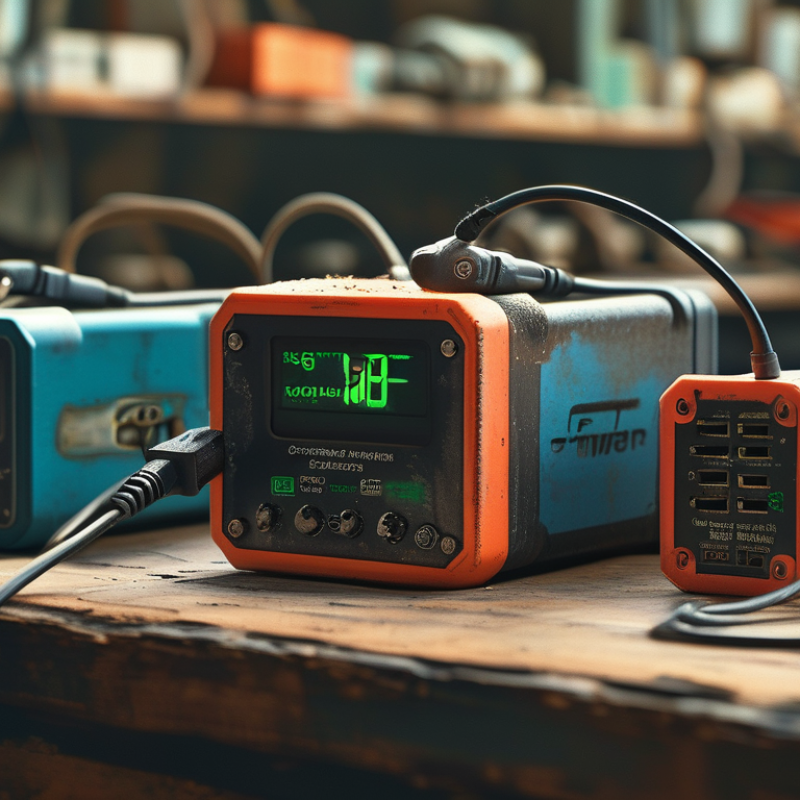
When it comes to safety standards for chargers, understanding their importance is crucial. Chargers are often overlooked, yet they play a vital role in powering our devices. A faulty charger can cause malfunctions or even fires. Thus, knowing safety standards is a reflection of both prudence and responsibility.
Safety standards are designed to prevent hazards. They ensure chargers undergo rigorous testing. This testing checks for electrical safety and potential overheating. Trusted organizations set these standards, and they must be adhered to in manufacturing. Some standards focus on the materials used in chargers, ensuring they are non-toxic and durable.
Inadequate attention to safety can lead to serious consequences. It’s also common to assume all chargers meet adequate safety standards. This assumption can be misleading. Conducting your research helps you discover which features matter. Reliable sources, including regulatory bodies, offer valuable information. But many users overlook these resources. Engaging with safety standards reflects a deeper understanding of technology’s role in our lives.
| Safety Standard | Description | Importance | Certification Bodies |
|---|---|---|---|
| IEC 60950 | Standard for information technology equipment. | Ensures electrical safety in chargers for IT equipment. | International Electrotechnical Commission (IEC) |
| UL 60950 | Standard for safety of information technology equipment. | Protects users from electric shock and fire hazards. | Underwriters Laboratories (UL) |
| IEC 62368 | Safety standard for audio, video, and IT equipment. | Adapts to technological advances in electronic devices. | International Electrotechnical Commission (IEC) |
| European Charging Standard (EN 62196) | Standard for electric vehicle charging interfaces. | Ensures safety and compatibility in EV charging stations. | European Committee for Electrotechnical Standardization (CENELEC) |
| ISO 9001 | Quality management system standard. | Improves product quality and customer satisfaction. | International Organization for Standardization (ISO) |
: Safety standards protect consumers and extend the life of devices. They ensure chargers are safe and reliable.
Organizations like IEC and UL establish benchmarks for charger design and testing. They evaluate crucial safety aspects.
Look for certification marks from recognized bodies. These marks show the charger meets safety requirements.
No, not all chargers meet expectations. Some may display misleading marks and fail to work safely.
Inspect the product for clear quality. Poor signs or unclear logos may indicate a counterfeit charger.
Look for UL, CE, or FCC marks. Each represents specific safety criteria and helps ensure protection.
Counterfeit chargers may lead to overheating or electrical failures. Always verify marks and choose reputable brands.
User reviews can reveal inconsistencies in claimed safety features. This research could prevent future problems.
Take time to verify certification details before purchasing. Knowing safety standards is your responsibility as a consumer.
Overlooking certification details may lead to device damage or safety hazards. Always double-check before buying.
When selecting a qualified source charger, it is crucial to understand what safety standards should a qualified source charger meet. Safety standards ensure that chargers are designed to prevent hazards such as overheating, electrical shock, and short-circuiting. Key organizations, including the International Electrotechnical Commission (IEC) and Underwriters Laboratories (UL), play a significant role in establishing these standards and determining compliance through rigorous testing and certification.
To identify safe chargers, consumers should look for certification marks on products, which signify adherence to established safety standards. Additionally, examining common safety features—such as overcurrent protection and temperature regulation—can further assure a product's reliability. Evaluating the reputation of manufacturers and their compliance history also provides insight into their commitment to safety, ensuring that users are protected while using their chargers.

 Caiku Electronic