How Does Power Efficiency Impact Source Charger Performance?

Time:2026-09-01 Author:Sienna
0%

Power efficiency plays a crucial role in determining how effectively a source charger performs. It affects charging speeds, heat generation, and overall energy consumption. With the growing reliance on electronic devices, consumers often underestimate this impact. Many believe that all chargers operate similarly. However, how does power efficiency influence the performance of source chargers?

A charger with high power efficiency typically delivers more energy to the device, reducing wasted power. This efficiency leads to quicker charging times and less heat output. Devices that run cooler tend to have longer lifespans. In contrast, inefficient chargers can cause overheating. Users may notice slower charging and higher electricity bills.

Despite advancements in technology, many chargers on the market still lack effective power management. Users should critically assess charger specifications. The right choice can enhance device safety and performance. In an age where mobility is paramount, understanding power efficiency is not just beneficial—it is essential.
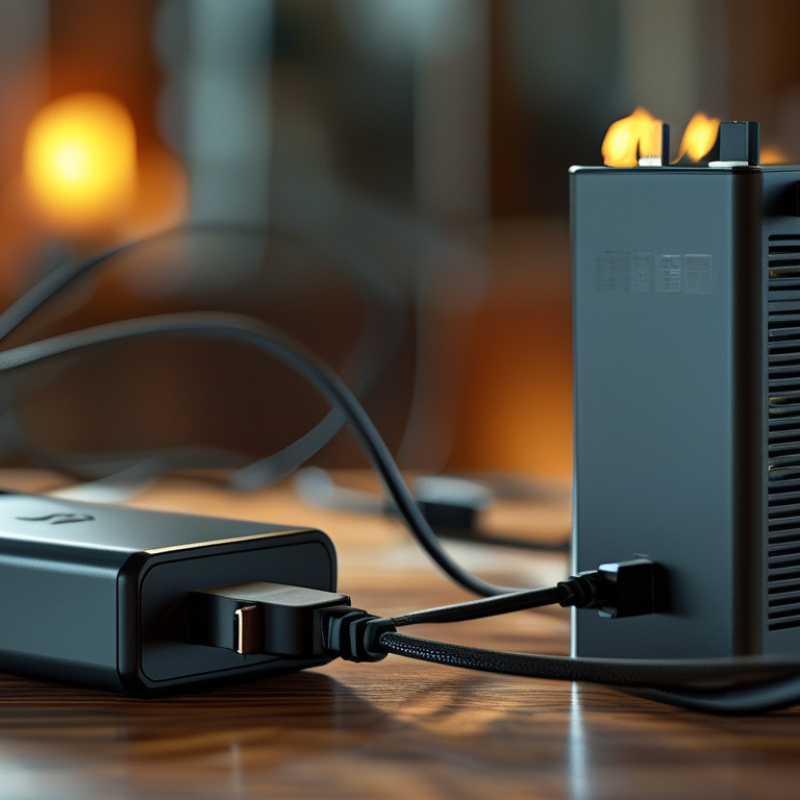
How Does Power Efficiency Impact Source Charger Performance?

Understanding Power Efficiency in Source Chargers

Power efficiency plays a crucial role in source charger performance. It determines how effectively a charger converts electrical energy into usable power for devices. High efficiency means more energy is delivered, reducing waste. This not only contributes to quicker charging but also minimizes heat generation during the process. Excessive heat can damage both the charger and the device, leading to performance issues.

Understanding power efficiency requires awareness of its measurement. The efficiency percentage typically indicates how much input power translates to output power. A charger with 90% efficiency converts 90 watts of a 100-watt input into usable energy. This detail matters because even a small efficiency loss can lead to significant power waste over time. Users may notice slower charging rates and higher energy bills without realizing it.

Exploration of this topic reveals room for improvement. Many chargers do not operate at optimal efficiency. Design flaws and outdated components contribute to this problem. End-users need to recognize these limitations. They must consider investing in chargers that prioritize efficiency. While high-efficiency chargers may have a higher upfront cost, they often result in long-term savings and better performance.

The Role of Energy Conversion in Charger Performance

Energy conversion plays a crucial role in the performance of source chargers. When you plug in a charger, it transforms electrical energy from the outlet into a format suitable for your device. This process can affect how quickly your device charges. Inefficient energy conversion may lead to losses, generating heat instead of energy.

Charger design is an influential factor in energy conversion efficiency. Some chargers utilize advanced circuits to minimize energy loss. However, not all chargers are created equal. Older models may lack the technology to optimize this process, resulting in slower charging times. Understanding this can help users make informed decisions when selecting chargers.

Additionally, even high-efficiency chargers can have fluctuating performance based on external conditions. For instance, temperature can impact conversion efficiency. If a charger overheats, it may reduce its output. This variability is essential to consider, highlighting the need for ongoing reflection on charger usage and characteristics.

How Does Power Efficiency Impact Source Charger Performance? - The Role of Energy Conversion in Charger Performance

Charger Type Efficiency (%) Output Power (W) Energy Conversion Factor Heat Loss (W)
Standard Charger 85 10 0.85 1.5
Fast Charger 90 18 0.90 1.8
Ultra-Fast Charger 95 30 0.95 1.5
Wireless Charger 80 10 0.80 2.0

Factors Affecting Power Efficiency in Charging Devices

Power efficiency is crucial for charging devices. Several factors influence how efficient a charger can be. One major aspect is the heat generated during the charging process. When chargers overheat, they waste energy. This heat loss can reduce the overall performance of the charging device. Another vital factor is the quality of the components used in the charger. Higher quality materials often lead to better energy transfer. Most budget chargers may cut corners. Less efficient components can compromise power delivery. More efficient circuits minimize energy loss. This results in faster, cooler charging. It's also important to consider user behavior. For instance, using incompatible devices can hinder efficiency. Overcharging can lead to energy waste. Understanding these dynamics can lead to better charging practices. Reflecting on these elements helps in choosing or designing more efficient power sources.

Comparing Power Efficiency: Different Charger Technologies

When examining charger technologies, power efficiency is crucial for performance. Different charger types, including traditional, fast, and wireless chargers, exhibit varying levels of efficiency. A study from the International Energy Agency (IEA) indicates that traditional chargers operate at around 60-70% efficiency. Fast chargers, while advantageous for speed, often have an efficiency rating of approximately 85%. This could lead to increased heat generation and energy loss, raising questions about their long-term sustainability.

Wireless chargers, on the other hand, typically hover around 60% efficiency as well, due to energy loss in the transmission process. Although they offer convenience, users should be aware of this efficiency gap. Reports from the Institute of Electrical and Electronics Engineers (IEEE) reveal that over 40% of energy used in wireless charging is lost as heat. This can be a critical consideration for consumers and industry stakeholders focused on reducing carbon footprints.

The quest for higher efficiency continues to drive innovation across charger technologies. Future advancements aim to bridge the efficiency gap. However, it remains essential for users to consider not just speed, but also effectiveness. The trade-offs between speed and overall energy consumption deserve thorough exploration to ensure that charging solutions align with broader sustainability goals.

The Impact of Power Loss on Device Charging Time and Performance

Power efficiency is crucial for optimal device charging. According to a study published by the International Energy Agency, approximately 20-30% of energy is lost during charging due to inefficiencies. This power loss directly affects how quickly devices charge. For instance, a charger with 80% efficiency will take longer to fully charge a device compared to one with 90% efficiency.

A report from the Institute of Electrical and Electronics Engineers highlights that improved charger performance can reduce charging times by up to 25%. These significant differences in charging times are noticeable for users who rely on their devices daily. Factors such as heat generation and energy conversion losses play a critical role in these efficiencies. However, many consumers overlook these details and may not understand their impact on overall performance.

Reflecting on the need for better energy management, manufacturers must focus on enhancing charger designs to minimize losses. Efficiency does not only improve convenience but can also lead to reduced environmental impacts. It is essential to raise awareness among users regarding the importance of power efficiency in chargers, as it can transform everyday charging experiences.

FAQS

: What is power efficiency in source chargers?

: Power efficiency measures how effectively a charger converts electrical energy into usable power for devices.

Why is high power efficiency important?

High efficiency means more energy is delivered. It also reduces waste and minimizes heat generation during charging.

How is power efficiency measured?

Efficiency is measured as a percentage. For example, a 90% efficient charger converts 90 watts of input into usable energy.

What happens if a charger is inefficient?

Inefficient chargers can waste energy. Users may notice slower charging rates and higher energy bills over time.

What factors affect energy conversion in chargers?

Charger design and technology influence energy conversion. Some have advanced circuits while older models may lack optimization.

Can external conditions impact charger performance?

Yes, temperature fluctuations can affect efficiency. An overheating charger may reduce its output, leading to performance issues.

Should users invest in more efficient chargers?

Yes, investing in high-efficiency chargers can lead to better performance and long-term savings despite higher upfront costs.

Are all chargers equally effective?

No, not all chargers are created equal. Design flaws and outdated components can lead to lower efficiency.

What can users do to ensure better charging performance?

Users should consider chargers that prioritize efficiency and reflect on their usage habits to improve performance.

What is a common issue with many chargers?

Many chargers do not operate at optimal efficiency, leading to potential energy waste and performance issues.

Conclusion

Power efficiency plays a crucial role in determining how well source chargers perform. Understanding power efficiency involves examining how effectively a charger converts input electricity into usable energy for devices. Key factors that influence power efficiency include energy conversion rates, the technology used in charging devices, and external environmental conditions.

The comparison of different charger technologies reveals varying levels of power loss, which directly impacts device charging time and overall performance. Specifically, reduced power loss can lead to faster charging and enhanced efficiency, thereby answering the question: how does power efficiency influence the performance of source chargers? Ultimately, striving for higher power efficiency can significantly improve user experience by minimizing charging times and maximizing energy utilization.

Sienna

Sienna

Sienna is a skilled marketing professional with a deep expertise in our company’s core products and services. With a passion for innovation and detail, she plays a pivotal role in crafting insightful blog posts that not only highlight the unique features of our offerings but also provide valuable......