Ensuring the safety and longevity of electronic devices involves a significant focus on chargers. With their vital role comes the risk of overcharging and overheating. Understanding how to prevent overcharging and overheating of source chargers is essential for both consumers and manufacturers. This knowledge not only enhances device lifespan but also reduces safety hazards.
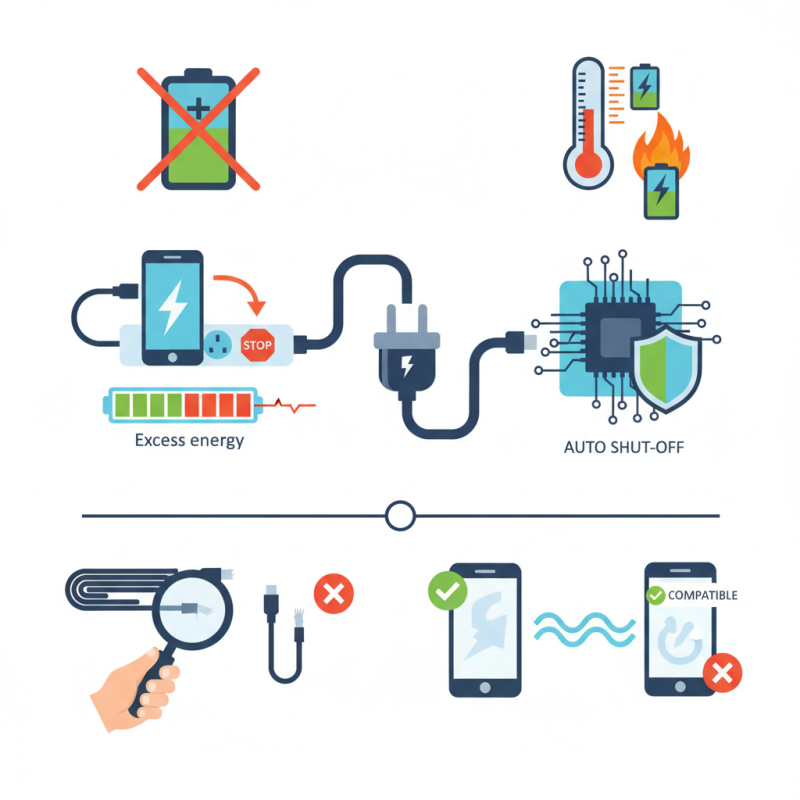
Overcharging occurs when a device receives excess energy beyond its maximum capacity. This can lead to overheating, which can damage batteries and, in extreme cases, cause fires. It's crucial to use chargers that have built-in safety features like auto shut-off mechanisms. Additionally, consumers should regularly inspect chargers for wear and ensure they are compatible with their devices.
While it may seem straightforward, many overlook the importance of monitoring charger performance. Ignoring signs of overheating or strange behaviors can lead to costly mistakes. By being vigilant and informed, users can make better choices, ultimately contributing to a safer, more efficient charging experience.
Overcharging batteries can lead to significant risks. Excessive charging generates heat, causing chemical reactions within the battery. According to industry research, around 75% of battery-related fires result from overcharging. Such incidents can be devastating, affecting lives and property.
Charger designs must include safety features. However, many inexpensive chargers lack these safeguards. A study from the National Fire Protection Association asserts that nearly 50% of charging devices do not adhere to safety regulations. Without proper mechanisms to control voltage and current, the risk of overheating increases dramatically. High temperatures may also result in battery swelling, leading to leaks or even explosions.
Awareness is crucial. Users often leave devices charging overnight, which can be problematic. Regularly checking chargers for excessive heat can minimize dangers. Using chargers that match the device’s requirements is important. Data show that mismatched chargers can increase the likelihood of battery failure by as much as 30%. Understanding these risks can lead to safer charging practices.
Overheating chargers can be a risk. They may lead to damaging devices or, worse, create fire hazards. It is vital to identify the signs early. Look for unusual warmth in the charger during use. A hot surface can indicate something is wrong. Also, examine the cable for fraying or discoloration. These issues can lead to overheating.
Monitor the charging duration. If charging takes longer than usual, it may indicate inefficiency. The charger might be working overtime, generating excessive heat. Trust your instincts if something seems off. Consider that a charger should remain warm, not hot.
Tips: Always charge devices in a well-ventilated area. Keep chargers away from blankets or surfaces that trap heat. Regularly inspect cables and connectors for wear. It is essential to use chargers that match device specifications. Using the wrong charger can lead to dangerous overheating. Be mindful of these details for a safer charging experience.
This chart illustrates the average temperature readings of source chargers after various periods of use. Monitoring these temperatures can help users identify potential overheating issues.
Smart charging technologies are crucial in preventing overcharging and overheating of source chargers. A 2022 report by the International Energy Agency highlights that around 1.5 billion smartphones are produced every year, and many of these devices suffer from battery degradation due to improper charging practices. Leveraging smart charging technologies can mitigate these issues by optimizing the charge cycle, thereby extending battery life.
Integrating real-time monitoring systems can significantly enhance performance. These systems can track temperature and voltage levels continuously. Research shows that chargers equipped with smart technology can reduce overheating incidents by 30%. However, challenges remain. Some users may ignore alerts from these systems, leading to potential risks. Additionally, developing standardized protocols for various devices can be a slow process, affecting widespread implementation.
User education is another critical area for improvement. Many consumers remain unaware of how overheating and overcharging can damage devices. A survey revealed that 70% of users rely on default charging settings without considering their impact. Therefore, raising awareness and promoting best practices are essential for safer charging experiences. Only a cohesive approach can truly address the existing flaws in charging methods today.
| Charging Technology | Key Features | Advantages | Limitations |
|---|---|---|---|
| Adaptive Charging | Adjusts current based on battery condition | Prevents overcharging, prolongs battery life | May not be compatible with older devices |
| Temperature Regulation | Monitors and adjusts charging based on temperature | Reduces overheating risks, safer charging | Requires additional sensors, potentially higher cost |
| Charge Scheduling | Charges device at optimal times | Enhances energy efficiency, lowers costs | User needs to set preferences accurately |
| Smart Pulsing | Pulses current to maintain charge without excess | Minimizes battery stress, extends life | More complex technology may increase manufacturing costs |
| Automatic Cut-off | Cuts power once charging is complete | Prevents overcharging, enhances safety | Can be influenced by battery misreads |
To ensure the safety of your devices, proper charger storage and usage are crucial.
Overheating can lead to damage, while overcharging poses significant risks. Adopting best practices can help mitigate these issues effectively.
When storing chargers, keep them in cool, dry places. Avoid direct sunlight or moisture, which can lead to deterioration.
Consider organizing chargers in a dedicated space to minimize damage from tangling or heavy pressure. This practice not only enhances longevity but also promotes safety.
Tips: Always unplug chargers when not in use. This reduces the risk of overheating.
Check for any signs of wear, such as frayed cables or discolored connectors. Replace damaged chargers to prevent hazards.
Remember, using a charger that is not compatible can lead to inefficiencies and potential hazards.
Regularly inspect your charging environment. A cluttered space can increase the risk of accidents.
Keep chargers away from heat sources and ensure proper ventilation. This simple action can make a significant difference in charger safety.
Overcharging and overheating of source chargers are common issues that can lead to significant failures. Industry statistics show that nearly 30% of charger failures are due to these problems. Overheating can damage internal components and reduce the lifespan of the device. Battery safety is paramount, yet many users overlook the risks associated with improper charging practices.
To mitigate these risks, users should consider setting timers for their devices. Charging overnight might seem convenient, but it often leads to overcharging. Use smart sockets that can automatically cut off power when the battery reaches full capacity. Monitor the temperature of the charger while in use. If you notice excessive heat, unplug it immediately.
It is important to stay informed about the health of your device and charger. Regularly inspect your charger for damage, such as frayed cables or discoloration. These signs can indicate potential hazards. Additionally, avoid using chargers that are not specifically designed for your device. Mismatches can lead to malfunctions, costing you more in repairs or replacements. Reflecting on these practices may lead to a safer and more efficient charging experience.
: Overcharging can cause significant heat, leading to dangerous chemical reactions. It may result in battery swelling, leaks, or explosions.
Research indicates that approximately 75% of battery-related fires stem from overcharging incidents. These can greatly affect lives and property.
Regularly check chargers for excessive heat. Use chargers that match your device’s requirements to reduce failure chances.
Smart charging technologies help prevent overcharging and overheating. They can optimize the charging cycle, extending battery life significantly.
Store chargers in a cool, dry place, away from sunlight and moisture. This practice promotes longevity and prevents damage.
Look for frayed cables or discolored connectors. Replace any damaged chargers immediately to avoid hazards while charging.
Many users remain unaware of the risks associated with overheating and overcharging. Improved awareness can lead to safer practices.
Unplug chargers when not in use. Keep the charging area organized and away from heat sources to ensure better ventilation.
Using a mismatched charger can increase the likelihood of battery failure by up to 30%. It's crucial to use compatible chargers.
Yes, some users may ignore alerts from monitoring systems. Also, developing standardized protocols may take time, affecting adoption.
In the digital age, understanding how to prevent overcharging and overheating of source chargers is crucial for maintaining device longevity and user safety. Overcharging can lead to increased risk of battery damage, while overheating can result in operational failures or hazards. Recognizing the early signs of overheating, such as unusual warmth or reduced charging efficiency, is essential for timely intervention.
To mitigate these risks, implementing smart charging technologies can optimize power delivery, ensuring batteries are charged safely. Additionally, following best practices for charger storage and usage, such as keeping chargers in a cool, dry place and avoiding prolonged charging cycles, can significantly enhance safety. Industry statistics also underline the prevalence of charger failures attributed to overcharging and overheating, emphasizing the importance of vigilant charging practices to prevent potential issues.

Caiku Electronic