How to Reduce Energy Waste When Using a Charger?

Time:2026-06-04 Author:Ethan
0%

Energy efficiency is a growing concern in our increasingly digital world. According to Dr. Emily Green, a leading expert in sustainable technology, “We must rethink how we use chargers to prevent energy loss.” Many consumers overlook the waste associated with chargers, yet this issue significantly contributes to energy consumption.

Understanding how to reduce energy waste when using a source charger is crucial. Chargers are often left plugged in, even when devices are fully charged. This habit leads to unnecessary energy drain. It’s easy to assume that a charger is harmless once it's disconnected from our devices, but that's not always the case. Over time, these wasted kilowatts add up, impacting both the environment and our utility bills.

Practical steps can help combat this waste. Using smart plugs can limit energy use, as they cut off power when devices are fully charged. Regularly inspecting chargers for efficiency can also be beneficial. However, many people may find this process tedious, which highlights the need for increased awareness. Addressing energy waste requires both knowledge and mindful practices to achieve better results.
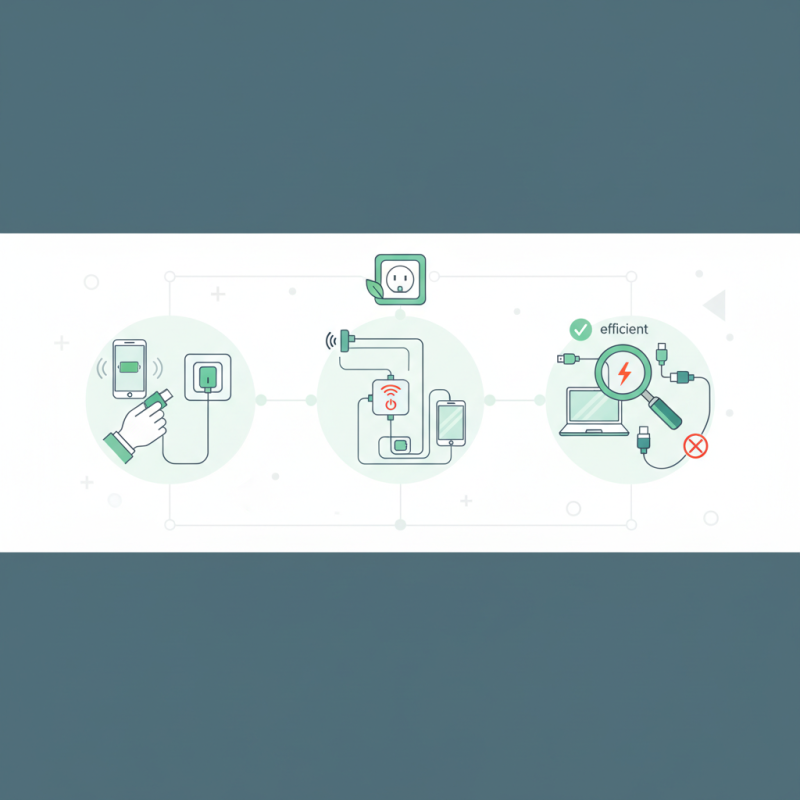
How to Reduce Energy Waste When Using a Charger?

Understanding Energy Waste in Chargers

Energy waste in chargers is a critical issue in our tech-driven world. According to the Global Energy Agency, chargers are responsible for an estimated 5% of global electricity consumption. This highlights the significance of understanding how energy waste occurs when using chargers. Most chargers convert energy ineffectively. They draw power even when devices are not connected. This phenomenon, often termed "vampire power," can account for significant energy loss over time.

Many users underestimate this waste. For instance, leaving a charger plugged in without a connected device can waste around 0.1 to 0.5 watts of power. If multiplied by millions of households, the environmental impact becomes substantial. Additionally, a study by the National Renewable Energy Laboratory found that optimizing chargers to reduce standby energy can save consumers about $3 billion annually. This figure is alarming, considering such measures can be easily adopted.

Proper usage of a charger can make a difference. Unplugging the charger when not in use is a simple practice that can reduce waste. Moreover, using energy-efficient chargers that automatically cut off power is advisable. These chargers can lead to energy savings of approximately 40%. While many people remain unaware of these facts, increasing awareness is crucial for energy conservation. Ultimately, tackling energy waste is a shared responsibility that requires thoughtful action.

Understanding Energy Waste in Chargers

This chart illustrates the energy waste associated with different charging conditions. Standby and active charging modes consume the most energy, highlighting opportunities to reduce waste.

Choosing Energy-Efficient Chargers

Choosing energy-efficient chargers is crucial in the fight against energy waste. According to the U.S. Department of Energy, chargers that consume less power while devices are inactive can cut energy use by 30% or more. This can contribute significantly to reducing your electric bill over time.

When selecting a charger, look for Energy Star certified products. These devices meet strict energy efficiency specifications. They use advanced technology to minimize standby power consumption. A study from the Natural Resources Defense Council (NRDC) highlights that inefficient chargers waste about $1.5 billion annually in electricity in the United States alone. This is a stark reminder of the impact our choices can make.

Using the right charger can also extend the life of your devices. Poor-quality chargers can lead to overheating and other damage, which may lead to early device failure. It's important to consider cost versus long-term savings. While an energy-efficient charger might have a higher upfront price, the savings on energy bills and device longevity often outweigh this initial investment.

Proper Charging Practices to Minimize Waste

When using a charger, it is essential to adopt proper charging practices to minimize energy waste. A well-chosen charger can save energy and prolong battery life. Many people leave devices plugged in overnight. This habit can lead to unnecessary energy consumption. Instead, consider unplugging devices once they are fully charged.

Periodically check the charger and cable for damage. A frayed cord can lead to energy loss and pose safety risks. Additionally, avoid charging devices in extreme temperatures. Excessive heat can degrade battery efficiency. It’s critical to understand that proper usage impacts both energy usage and battery health.

Here are some practical tips:

- Use energy-efficient chargers designed to minimize waste.

- Charge at lower levels. Keeping batteries between 20% and 80% is ideal.

- Monitor charging times. Set reminders to unplug devices after charging is complete.

Implementing these practices can significantly reduce energy waste and enhance device longevity. Every small change makes a difference in our energy consumption habits.

Best Practices for Unplugging and Storage

When it comes to using a charger, proper unplugging and storage are often overlooked. Many people leave chargers plugged in, which can lead to energy waste when not in use. Unplugging chargers is a simple act that can save energy. Even when devices are fully charged, chargers still draw a small amount of power known as phantom load. This idle consumption adds up over time.

Storing your charger properly is equally important. Avoid wrapping the cord tightly around the charger; this can lead to wear and tear. Instead, loosely coiling the cable prevents damage and prolongs its life. Consider using a dedicated pouch or an organizer for chargers. This keeps them safe and prevents tangling. An organized storage solution makes it easier to find the right charger when needed.

Reflect on your habits. Do you always unplug your charger after use? If not, it’s time to adopt a more mindful approach. Being aware of how energy is consumed in everyday actions can lead to better practices over time. Making small adjustments today can lead to significant changes in energy consumption tomorrow.

Monitoring Energy Usage of Devices While Charging

When charging devices, monitoring energy usage can significantly lower energy waste. Most chargers consume power even when the device is fully charged. Understanding this phenomenon is crucial. You might think your phone is done charging, but the charger remains active. This idle consumption contributes to wasted energy.

To assess how much energy your charger uses, consider using a smart plug or energy monitor. These devices can track energy consumption in real-time. You will be surprised to see how many kilowatt-hours are drained, even when devices are idle. This awareness can prompt you to unplug chargers when not in use.

Additionally, think about the charging habits you develop. Do you leave devices plugged in overnight? This habit may seem harmless but leads to unnecessary energy loss. It’s worth considering small changes, like unplugging chargers promptly. tiny shifts in behavior can yield significant savings over time.

FAQS

: What is energy waste in chargers?

: Energy waste in chargers refers to ineffective energy conversion, especially when devices are not connected.

How much energy do chargers waste?

Chargers can waste about 0.1 to 0.5 watts when not in use. Over time, this adds up significantly.

What is "vampire power"?

Vampire power is the energy consumed by chargers when devices are not plugged in.

How can I reduce energy waste from chargers?

Unplug chargers when not in use. This simple practice can reduce waste effectively.

What are energy-efficient chargers?

Energy-efficient chargers minimize power use, especially during inactivity, potentially cutting energy consumption by over 30%.

Why choose Energy Star certified chargers?

Energy Star certified chargers meet strict efficiency standards, using advanced technology to reduce standby power consumption.

How can poor-quality chargers affect my devices?

Poor-quality chargers can cause overheating and damage, leading to early device failure.

What charging habits waste energy?

Leaving devices plugged in overnight wastes energy unnecessarily. Unplug fully charged devices promptly.

How do temperatures affect charging?

Charging in extreme heat can degrade battery efficiency, impacting both energy use and battery health.

How can I monitor my charging habits?

Set reminders to unplug devices after charging. Regularly check chargers for damage and frayed cords.

Conclusion

To effectively address the question of "how to reduce energy waste when using a source charger," it is essential to understand the factors contributing to energy inefficiency in charging devices. Energy waste can occur due to the choice of chargers and the practices surrounding their use. Selecting energy-efficient chargers is a critical first step, as they are designed to minimize energy loss during charging.

Additionally, adopting proper charging practices, such as avoiding overcharging and ensuring devices are charged only when necessary, can further reduce waste. Implementing best practices for unplugging chargers when not in use, alongside storing them in a way that prevents damage, also contributes to energy conservation. Finally, monitoring the energy usage of devices while they are charging can provide valuable insights into consumption patterns, helping users make informed decisions that enhance efficiency and reduce overall energy waste.

Ethan

Ethan

Ethan is a seasoned marketing professional with a deep expertise in our company's innovative product line. With a passion for sharing knowledge and insights, he takes the lead in regularly updating our corporate blog, where he explores industry trends, product features, and effective marketing......