Selecting the right travel charger can significantly enhance your travel experience. According to Robert Allard, a travel tech expert, “Choosing the right charger can save you time and frustration.” He emphasizes the importance of understanding your charging needs.
When it comes to travel, portability and compatibility are key factors to consider. You must consider various devices and their specific charging requirements. A travel charger should be lightweight and compact but powerful enough to handle multiple devices. An ideal charger would also have universal compatibility, allowing it to adapt to different plug types used around the world.
While most chargers are straightforward, there are nuances that travelers often overlook. For instance, how many ports are necessary? Does it support fast charging for your devices? These questions highlight the complexity in choosing a suitable option. As you evaluate your needs, keep in mind that the perfect charger might not exist for every situation. Balancing features, portability, and power is essential. Ultimately, knowing "how to choose a source charger suitable for travel use" can be a daunting task, but taking the time to reflect on your unique traveling habits can lead you to the perfect choice.
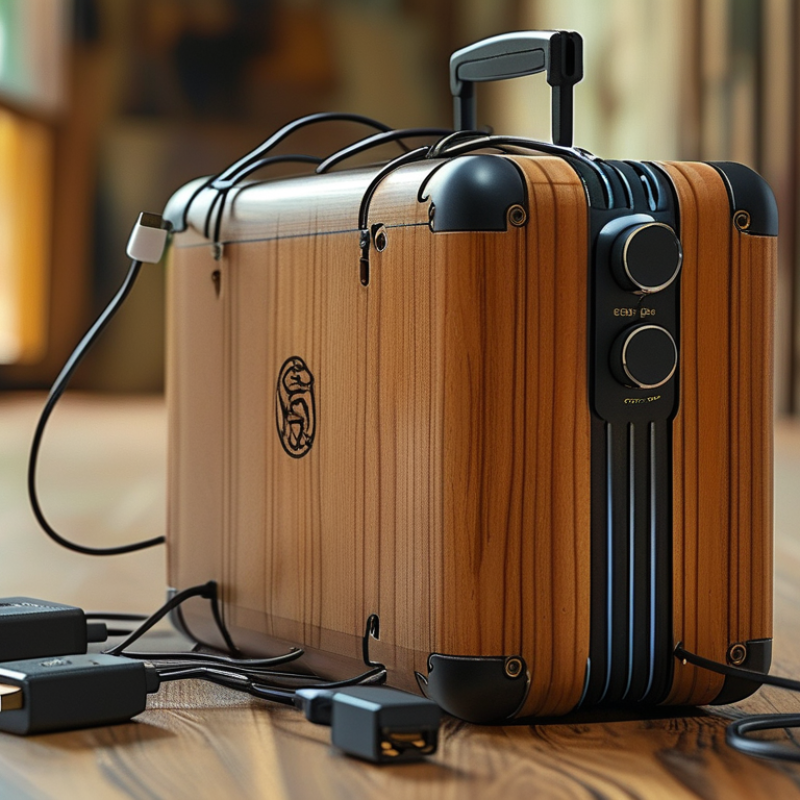
Travel chargers have become essential for modern travelers. With more devices than ever, staying powered during trips is vital. According to a recent report from the International Data Corporation, there are over 3 billion smartphone users worldwide. This surge in device usage emphasizes the need for reliable charging solutions, especially when on the go.
Having a suitable travel charger can enhance your travel experience. Fast charging technology is becoming the norm. Research shows that over 70% of travelers prefer chargers that support quick charging. These devices allow multiple gadget connections simultaneously, maximizing convenience. Yet, not all travel chargers offer the same level of safety and efficiency, making it crucial to do your research before purchasing.
Consider these points. Check for compatibility with your devices. Look for chargers with universal voltage support. Opt for lightweight options that fit easily in your bag. Additionally, read customer reviews to gauge reliability. Remember, a good travel charger is an investment in your travel comfort.
Travel chargers come in various types to meet different needs. Wall chargers are common in homes and hotels. They typically offer multiple ports for charging several devices at once. If you're traveling internationally, consider a charger that supports different voltage levels and plug types. This flexibility can save you from the hassle of finding an adapter in a foreign country.
Car chargers are essential for road trips. They plug directly into your vehicle's cigarette lighter. Most models feature at least one USB port, and some even have fast charging capabilities. Think about how many devices you usually carry. A car charger with multiple ports can keep everyone connected during the journey.
Portable chargers, also known as power banks, provide flexibility on the go. They come in various capacities, allowing you to charge your devices multiple times. It's important to evaluate the weight and size, especially for long trips. A small, lightweight bank can fit easily in your pocket. However, be aware of the trade-off; larger banks can offer faster charging but may be bulkier to carry. Balancing capacity and portability depends on your travel style and device usage.
When selecting a travel charger, compatibility is crucial. Consider the devices you use. Check if the charger can accommodate multiple devices, such as smartphones, tablets, and laptops. It's frustrating to pack a charger only to find it doesn’t fit your device. Many travelers have overlooked this detail, leading to inconvenient situations.
Power output is another key feature. Look for chargers with sufficient wattage to charge your devices efficiently. A charger with 18W can be great for smartphones, but for laptops, you might need at least 60W. Some travelers underestimate their power needs, resulting in slow charging or, worse, a drained battery when they need it most.
Size matters too. Compact chargers are easy to pack and carry. However, don’t sacrifice power for size. You may end up with a charger that can’t keep up with your devices. Finding the right balance can save space and ensure you stay connected during your travels. Consider how many devices you carry and plan accordingly.
When selecting a travel charger, brand reliability plays a crucial role. The quality of a charger can greatly influence your travel experience. Many manufacturers offer a range of products, but not all are equally dependable. It’s essential to dig deep into their reputations before making a purchase.
Some brands have established themselves with high customer satisfaction. They often invest in quality control and rigorous testing. However, newer brands can sometimes surprise with innovative features at lower prices. This can be a double-edged sword; while you might save money, you may also face reliability issues. Researching user reviews helps discern which brands truly deliver.
Inconsistent customer service experiences also signal potential reliability concerns. Some brands might respond promptly to inquiries while others leave customers frustrated. It’s worth checking channels like tech forums or social media for candid feedback. Finding a balance between innovation and proven reliability requires thoughtful consideration. Everyone’s needs are different, and what works for one traveler may not suit another.
| Feature | Manufacturer A | Manufacturer B | Manufacturer C |
|---|---|---|---|
| Charging Speed (W) | 18W | 20W | 25W |
| Ports | 1 USB, 1 USB-C | 2 USB-A | 1 USB-A, 1 USB-C |
| Weight (grams) | 100g | 80g | 120g |
| Compatibility | Smartphones, Tablets | Smartphones, Laptops | Smartphones, Tablets, Laptops |
| Price ($) | 19.99 | 25.99 | 29.99 |
When selecting a travel charger, safety standards and certifications are crucial. Look for chargers certified by recognized organizations, such as UL (Underwriters Laboratories) or CE (Conformité Européenne). These certifications ensure that the chargers meet safety requirements and can withstand high-stress environments. Reports indicate that over 40% of electronic device failures during travel are related to poor-quality chargers. Ensuring certification can reduce the risk of device damage or hazards.
Not all chargers are created equal. Pay attention to the voltage and current ratings. A charger with the wrong specifications may harm your devices. For instance, a charger that delivers too much current can lead to overheating. It's essential to choose chargers with built-in protections such as over-voltage and short-circuit prevention. According to industry experts, chargers that pass rigorous testing can add years to your device's lifespan.
Choose wisely. Before a trip, verify the compatibility of your charger. Do not assume all chargers work for every device. Consider investing in a multi-port charger. This option is useful for charging multiple devices simultaneously. Aim for lightweight options to ease travel. Safety and functionality should always guide your choices when selecting a travel charger.
: Travel chargers are vital for keeping devices powered during trips. More devices mean increased charging needs.
Check for compatibility, power output, and size. Ensure it fits your devices and meets their charging needs.
Power output is crucial. A charger with too low wattage can lead to slow charging and dead batteries.
Yes, but ensure the charger supports all your devices. Compatibility is key to avoiding inconvenient surprises.
Compact chargers are portable. However, don’t sacrifice power for size. Balance is important to meet device needs.
Research user reviews and brand reputation. Inconsistent customer service can signal potential reliability issues.
Some newer brands provide innovative features at lower prices. However, be cautious; reliability can be variable.
Yes, brand reputation affects quality. Established brands often invest in better reliability, but research is essential.
A cheaper charger may save money but can lead to reliability issues. It’s wise to prioritize safety and performance.
Focus on comments about durability and power efficiency. Customer experiences reveal much about a charger’s performance.
When considering how to choose a source charger suitable for travel use, it is essential to understand the importance of travel chargers in today’s mobile-centric lifestyle. Travel chargers come in various types, including wall, car, and portable options, each designed to meet different charging needs on the go.
Key features such as compatibility with your devices, power output for efficient charging, and overall size for portability are crucial factors to consider. Additionally, comparing the reliability of leading travel charger manufacturers can help you make an informed decision. Safety standards and certifications are also vital to ensure the protection of your devices while charging. By focusing on these aspects, you can select the best travel charger that suits your specific travel scenarios and device requirements.

Caiku Electronic