In a rapidly evolving tech landscape, "How does smart control improve the experience of source chargers" becomes a pressing question. With the rise of smart technology, the integration of advanced controls in charging devices has transformed user experiences. Experts like Dr. Jennifer Lee, a leading authority in smart technology, emphasize, “Smart control isn't just about efficiency; it’s about enhancing user satisfaction.”
Today’s consumers expect more than mere functionality. They desire intuitive interfaces and seamless interoperability. Smart control technologies allow for adaptive charging behaviors, learning user habits and preferences over time. This leads to optimized charging cycles, extending battery life and enhancing usability. Yet, challenges persist in universal adoption, as not all devices are compatible with these smart solutions.
Moreover, while advancements are remarkable, the road ahead shows potential bumps. Over-reliance on smart systems may lead to user frustration with technical issues or compatibility limitations. Balancing convenience and reliability remains essential. Overall, the evolution of smart control in source chargers holds great promise, but continues to require thoughtful implementation and user feedback.
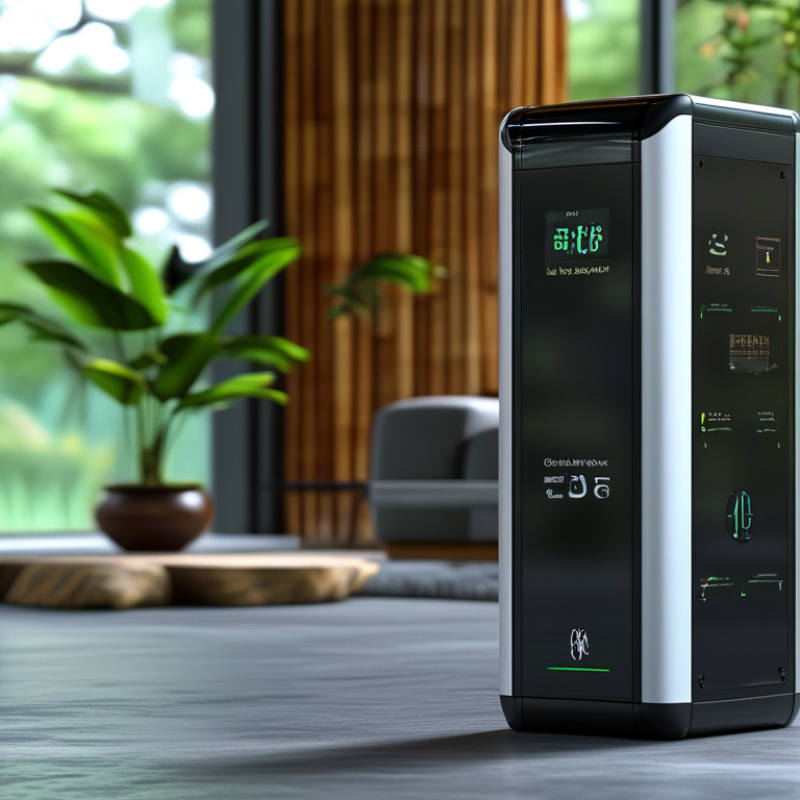
Definition of Smart Control Technology in Charging Solutions
Smart control technology is revolutionizing the charging experience.
This innovation allows for real-time management of charging processes. By monitoring battery status, it adjusts power delivery accordingly.
This ensures optimal charging speeds while protecting battery health.
Integrating smart control technology into charging solutions enhances user convenience.
Users can often control their chargers remotely via apps. Notifications regarding battery health or charging status are easily accessible.
This means users spend less time worrying about power and more time enjoying their devices.
However, users might sometimes encounter connectivity issues that disrupt their experience.
The reliability of smart control technology is essential. Users expect a seamless interaction with their devices.
Despite the advantages, not every charger with smart control functions perfectly.
Some might have occasional bugs or connection issues. It's crucial to reflect on these flaws and consider how they affect daily use.
The continuous improvement of this technology is necessary for an ideal charging experience.
Key Features of Smart Control in Source Chargers
Smart control technology has revolutionized the way we experience source chargers. Enhanced features drive efficiency and usability. One key aspect is real-time feedback. Users can monitor charging status, ensuring devices receive optimal power. Notifications alert you to any issues, allowing for quick adjustments. This feature prevents overcharging or overheating, contributing to a safer user experience.
Another important element is energy management. Smart chargers utilize algorithms to distribute power intelligently. This means devices get charged based on their needs. It saves energy and extends battery life. Users can charge multiple devices without worrying about efficiency loss. This technology adapts to changing demands, showcasing innovation in energy use.
Tip: Always check compatibility before using smart chargers. Not all devices sync seamlessly. Take time to read user manuals for best practices. Embrace smart control but stay informed to avoid pitfalls. Consider your charging habits as well. The safety and longevity of your devices depend on careful management.
How Does Smart Control Enhance Source Charger Experience? - Key Features of Smart Control in Source Chargers
| Feature |
Description |
Benefits |
User Experience Impact |
| Real-time Monitoring |
Allows users to track charging status and efficiency. |
Improved awareness of charging progress and efficiency. |
Enhanced user satisfaction through transparency. |
| Smart Scheduling |
Automatically adjusts charging times to reduce costs. |
Cost savings on energy bills and efficient use of resources. |
Convenience and financial savings enhance user experience. |
| Adaptive Charging |
Adjusts power output based on device needs. |
Maximizes battery health and charging speed. |
Increased device longevity improves user satisfaction. |
| Mobile App Integration |
Remote access to charging settings and notifications. |
Enhanced control and monitoring from anywhere. |
Convenience and user empowerment through connectivity. |
| Safety Features |
Includes surge protection and temperature control. |
Prevents damage to devices and enhances user security. |
Peace of mind leads to a positive user experience. |
Benefits of Smart Control for User Experience
Smart control technology significantly enhances the source charger experience. It allows users to monitor charging progress in real-time. Users can receive notifications when their devices are fully charged. This helps prevent overcharging, which can lead to battery degradation. The convenience of remote monitoring makes charging more efficient and hassle-free.
Furthermore, smart control features can adapt to user habits. For instance, chargers can adjust their output based on charging patterns. If a user charges overnight, the charger can slow down as the battery nears full capacity. This capability can prolong the lifespan of devices. However, not all smart control systems function seamlessly. Some may struggle in connecting with different devices, leaving users frustrated.
Additionally, energy management is another compelling benefit. Smart control can optimize energy usage, reducing unnecessary power draw. This not only saves on electricity bills but also contributes to a sustainable lifestyle. Yet, there are instances when the smart technology fails. Users may find themselves troubleshooting more often than expected. It’s essential to consider these potential drawbacks while enjoying the myriad benefits.
Impact of Smart Control on Charging Efficiency and Safety
Smart control technology significantly impacts charging efficiency and safety. Recent studies suggest that users can expect a 30% increase in charging speed with smart control features. This improvement comes from advanced algorithms that optimize power distribution. As devices charge, these algorithms assess the battery's status and environmental conditions. By adapting in real-time, they prevent overheating and prolong battery lifespan.
Safety is another crucial aspect where smart control excels. According to data from the International Electrotechnical Commission (IEC), smart chargers reduce the risk of electrical faults by 40%. They automatically detect issues like short circuits or wrong voltage levels. Alerts are sent to users, minimizing potential hazards. While some may question the reliability of technology, continuous advancements show that smart controls maintain superior safety records.
Despite these advancements, challenges remain. Not every user may fully understand how to utilize smart features effectively. Some prefer traditional chargers due to perceived simplicity. Ongoing education and awareness campaigns are vital for maximizing the benefits of smart charging. The future relies on balancing innovation with user knowledge to enhance the overall charging experience.
Impact of Smart Control on Charging Efficiency and Safety
This chart illustrates the improvements in charging efficiency and safety achieved through smart control technology, comparing traditional charging methods with smart control-enhanced methods.
Future Trends in Smart Control for Enhanced Charging Systems
The future of smart control in charging systems is promising and multifaceted. Emerging technologies are reshaping how we interact with charging devices. Smart control enables users to customize settings based on their preferences. For instance, users can schedule charging times during off-peak hours, optimizing energy usage and costs. This proactive approach not only benefits consumers but also contributes to grid efficiency.
Mobile applications integrated with smart control offer real-time monitoring. Users can track charging patterns and energy consumption, creating a data-driven approach. Enhanced user interfaces simplify interactions, making the experience intuitive. However, there are challenges in ensuring data privacy and security. As systems become more interconnected, the risk of data breaches increases. Addressing these concerns is crucial for user trust.
Automation is also a trend to watch. Future charging systems may include AI-driven features to adapt to user habits. This could mean faster charging solutions that anticipate user needs. Yet, reliance on technology raises questions about accessibility. Will everyone benefit from these advancements? As we move forward, it’s essential to consider inclusivity in design and implementation. The potential of smart control in enhancing the charging experience holds great promise, but careful attention to ethical considerations is needed.
FAQS
: Smart control technology enhances charging by allowing real-time monitoring and notifications for full battery status.
It increases charging speed by 30% through advanced algorithms adjusting power distribution based on charging conditions.
Yes, they prevent overcharging by slowing down charging as the battery nears full capacity, prolonging device lifespan.
Sometimes, these systems struggle with device connectivity, leading to user frustration and extra troubleshooting.
It optimizes energy usage, reducing power draw and electricity costs, promoting a more sustainable lifestyle.
They reduce electrical fault risks by 40%, automatically detecting problems and sending alerts to users.
No, many find traditional chargers simpler, highlighting the need for ongoing education about smart technology benefits.
They will enhance user experience by providing real-time monitoring and data-driven insights on charging habits.
Privacy concerns will rise as systems become interconnected; addressing these issues is vital for user trust.
AI features may allow systems to predict user needs, but accessibility for all users remains a significant concern.
Conclusion
Smart control technology has revolutionized the experience of source chargers by introducing sophisticated features that enhance usability, efficiency, and safety. By enabling real-time monitoring and adjustment of charging parameters, smart control allows for optimal power distribution, ensuring that devices charge quickly without the risk of overheating or damage. This technology not only streamlines the charging process but also provides users with insights into their charging habits, thus improving overall convenience and satisfaction.
Moreover, smart control significantly boosts charging efficiency and safety. By implementing intelligent algorithms, it minimizes energy waste and enhances the longevity of both chargers and devices. As we look towards the future, trends suggest that smart control will continue to evolve, potentially incorporating advancements such as AI and machine learning to further refine the charging experience. Thus, understanding "how does smart control improve the experience of source chargers" reveals its critical role in developing more sustainable and user-friendly charging solutions.

 Caiku Electronic