In the fast-paced world of technology, slow charging can be a frustrating obstacle. Experts like Dr. Sarah Nguyen, a leading electrical engineer, have emphasized the importance of understanding charging dynamics. "How to solve the problem of slow charging with source chargers requires a comprehensive approach," she noted in a recent seminar.
Many users face this issue, often dismissing it as a minor inconvenience. However, slow charging can impact daily routines. A quick look at your charging cable or adapter may reveal underlying problems. Sometimes the issue lies within the device itself, perhaps due to outdated software or failing hardware components.
When tackling the question of "How to solve the problem of slow charging with source chargers," it’s crucial to delve into multiple factors. Factors like cable compatibility and the power output from the source charger can significantly affect charging speeds. Engaging with professionals and utilizing their insights can provide reliable solutions that enhance your device's performance. Understanding these nuances is vital in achieving efficient charging.
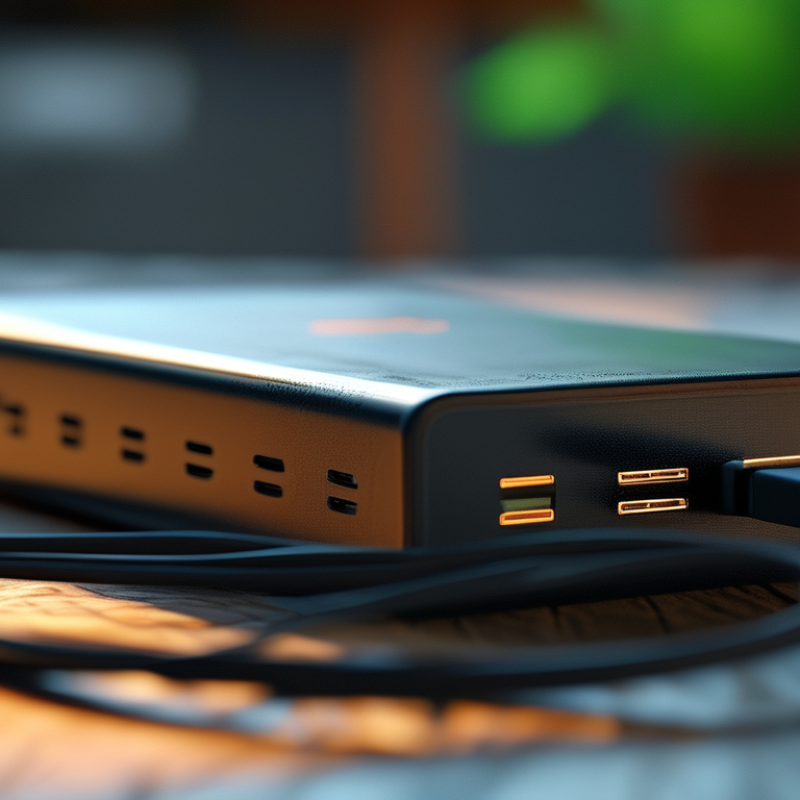
Slow charging issues with source chargers can be frustrating. Many people experience this problem without understanding its causes. It's often not just about the charger itself. Factors like cable quality and power source can significantly impact charging speed.
Using a low-quality cable may limit the current flow. Even if your charger is powerful, a poor cable acts as a bottleneck. Additionally, charging from a low-power source can lead to slow speeds. If you’re using a laptop USB port, it might not deliver adequate power, especially for larger devices.
Overheating can also slow down charging. Devices often throttle charging speed to prevent damage when they get too hot. This means that even if your charger is capable, the device may charge slowly to protect itself. It's essential to assess your overall setup and make necessary adjustments. A little reflection can reveal simple solutions.
Slow charging can be frustrating, especially when you're in a hurry. Understanding common causes can help you troubleshoot the issues effectively. One major reason for slow charging is using a low-quality cable. Cheap cables may not support fast charging speeds, leading to prolonged charging times.
Another factor is the power source itself. Plugging into a low-capacity USB port, like those on older computers, can significantly reduce charging efficiency. It's essential to use a wall adapter that provides adequate wattage for your device. Dedicating a specific outlet can also make a difference.
Tips: Always inspect your charging cable for wear and tear. Damaged cables can impede power flow. Additionally, avoid using your device while charging, as this can drain battery power faster than it charges. If you notice slow charging persists, consider testing with a different power adapter. This simple switch could reveal if your equipment is at fault.
When experiencing slow charging, reflect on your charging habits. Are you using the right tools? Are you giving your device the best chance to charge efficiently? Making a few adjustments can enhance your charging speed significantly.
This bar chart compares the charging speeds of various source chargers, showcasing their effectiveness in providing power. Charger D demonstrates significantly higher charging speeds compared to others.
Slow charging issues can be frustrating. Let’s troubleshoot this problem step-by-step. Start by checking your charging cable. Inspect it for any visible damage or frays. A worn-out cable can significantly affect charging speed. If the cable looks fine, try a different charger to see if the issue persists.
Next, examine the charging port. Dust and lint can accumulate and block connections. Use a soft brush or compressed air to clean it gently. Make sure your device isn’t overheating either; excessive heat can slow the charging process. If your device is warm to the touch, let it cool before charging.
Lastly, consider your software settings. Sometimes, updates are needed to optimize battery performance. Check for any available updates. Still have issues? It might be worth consulting a professional. Reflecting on these steps can help identify the root of the problem. Everyone encounters tech issues at times; learning how to address them builds confidence in using your devices.
Charging speed can often be a source of frustration. Many users experience slow charging, which affects daily routines. To tackle this issue, it’s essential to adopt best practices for improving charging efficiency.
Consider the importance of using quality cables. High-quality, properly rated cables can significantly enhance the charging process. Look for cables designed for your device's specifications. Using a low-quality cable can lead to sluggish charging speeds. Always inspect cables regularly for frays or damages. Such issues can contribute to inefficiency.
Another critical factor is the outlet used for charging. Some outlets provide more power than others. Avoid using extension cords or cheap adapters that may limit charging speed. To achieve optimal performance, connect directly to a wall outlet. This simple step might yield noticeable improvements. Additionally, check if your device is overheating. Heat can affect charging speed. If the device feels warm, consider letting it cool down before charging.
When considering the replacement of your source charger, it’s essential to recognize the signs of wear and inefficiency. Many experts state that chargers can lose performance over time. In fact, a report by the Consumer Electronics Association noted that nearly 30% of users experience slow charging due to old chargers. If your device takes longer than usual to charge, it may indicate that the charger is failing.
Another important factor is the lifespan of your charger. Industry standards suggest that most chargers are designed to last approximately 500 charge cycles. After this point, performance may degrade significantly. If your charger is older than two years and consistently fails to provide optimal charging speed, it might be time to consider a replacement. Pay attention to unusual signs like overheating or physical damage, as these can heavily impact charging efficiency.
Using a charger that no longer meets performance expectations can damage your device's battery in the long run. A study from Battery University revealed that charging inefficiencies can reduce battery lifespan by up to 20%. Therefore, evaluating the condition of your charger regularly ensures you maintain optimal performance for your device.
: Slow charging can happen due to several factors, including cable quality and power source limitations.
Low-quality cables may restrict current flow, acting as a bottleneck even if the charger is strong.
Yes, charging from a low-power source, like a laptop USB port, might result in slower charging speeds.
Start by inspecting your charging cable. Look for any visible damage or frays that could affect performance.
Use a soft brush or compressed air to gently remove dust and lint that may obstruct connections.
Yes, devices may slow down charging to prevent damage if they become too hot during the process.
Sometimes, software updates can enhance battery performance. Check for any available updates.
If issues persist, consider consulting a professional for further assistance and reflection on your setup.
Yes, reflecting on your charging setup may reveal simple changes that enhance charging efficiency.
Yes, everyone experiences tech issues. Addressing them helps build confidence in managing your devices.
In addressing the question of how to solve the problem of slow charging with source chargers, it's essential to first understand the underlying issues that create such challenges. Common causes include faulty cables, outdated chargers, or even software settings that hinder optimal charging performance.
To effectively troubleshoot slow charging problems, follow a systematic approach: check the condition of the charger and cable, verify the power source, and ensure device settings are configured correctly. Additionally, implementing best practices to improve charging speed can make a significant difference. This includes using high-quality cables, minimizing device usage while charging, and keeping the charger free of dust. Ultimately, if your source charger consistently underperforms, it may be time to consider a replacement to restore optimal performance.

Caiku Electronic