In today's tech-driven world, the safety of our electronic devices is paramount. With the increasing reliance on smartphones, laptops, and tablets, the question arises: "How does a source charger protect electronic devices safely?" Industry experts emphasize the role of quality chargers in preventing damage from power surges. A study by TechSafe Reports indicates that 30% of device failures result from inadequate charging solutions.
Dr. Emily Chen, a leading authority in electronic safety, states, "A reliable source charger can significantly mitigate risks like overheating and overvoltage." This aligns with findings from the Consumer Electronics Safety Board, which highlight that smart charging technology reduces the likelihood of fire hazards.
Despite advancements in charging technology, there are still vulnerabilities. Many users overlook the importance of certified chargers, risking their devices' longevity. The conversation around charging safety needs to incorporate a proactive mindset. Understanding "How does a source charger protect electronic devices safely" should not just be a technical inquiry, but a shared responsibility among manufacturers and consumers alike.
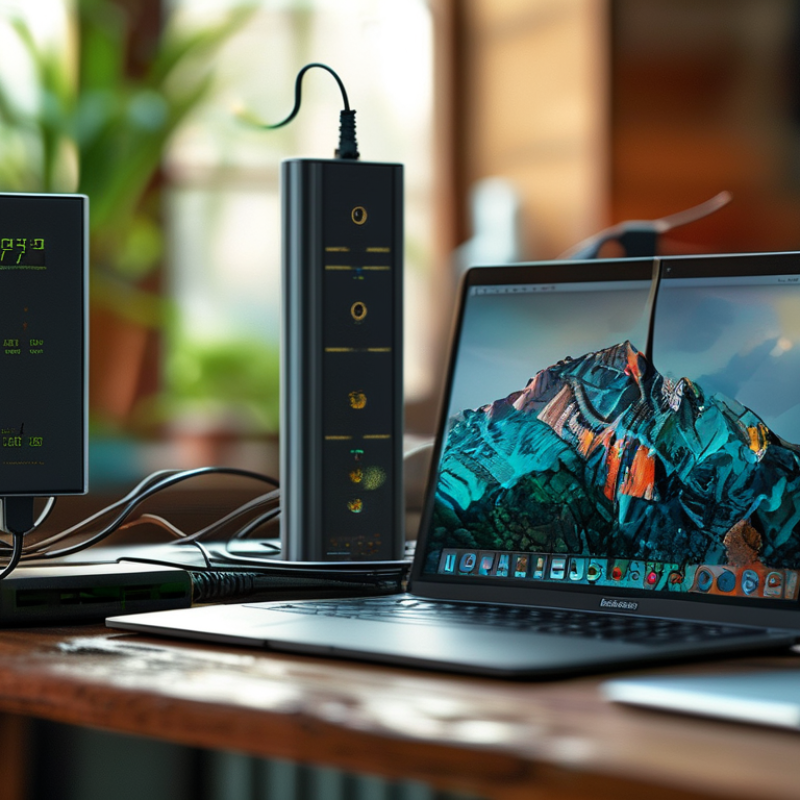
Understanding source chargers is essential for anyone using electronic devices. These chargers convert wall current into a safe voltage level. They protect devices from overvoltage, ensuring longevity and functionality. According to the International Electrotechnical Commission (IEC), improper charging can damage devices or even lead to battery failure.
The reliability of source chargers comes from their design. Many use thermal regulation and surge protection. A recent CNET report highlights that 45% of consumers face issues from incompatible chargers. This data emphasizes the importance of using standardized charging solutions. Unfortunately, not all chargers meet safety guidelines, leading to potential hazards.
**Tip:** Always check for certification marks on chargers to ensure they meet safety standards.
Proper usage also plays a role. Avoid using damaged cords or chargers with frayed wires. The National Fire Protection Association (NFPA) notes that faulty chargers can result in electrical fires. That said, awareness is crucial in maintaining electronic safety.
**Tip:** Regularly inspect chargers and replace them if you notice any wear.
Source chargers play a crucial role in the safety of your electronic devices. They help regulate voltage and current, preventing damage. A significant issue with many devices is overvoltage. This can easily harm the internal components of your gadgets. Effective source chargers come equipped with built-in protection systems. These systems monitor the power flow continuously.
Current regulation is also essential. Chargers adjust the amount of current based on the device's needs. This prevents overheating, which could lead to battery damage or failure. Such intelligence in chargers enhances the safety of your devices, ensuring they operate efficiently.
**Tip:** Always use quality chargers designed for your device. Cheap alternatives might compromise safety.
Another aspect is the temperature management within chargers. They have mechanisms to dissipate heat efficiently. Over time, inadequate cooling can lead to safety issues. Proper thermal regulation is vital for longevity and usage.
**Tip:** Avoid using chargers in enclosed spaces. Good airflow can prevent overheating.
Even with advanced technology, some chargers might still exhibit flaws. Occasionally, they may not detect the device's requirements correctly. Users should monitor charging status regularly. This can help identify potential failures early.
Surge protection is a crucial feature of source chargers. It safeguards your devices from voltage spikes. According to industry reports, over 60% of electronic damage comes from power surges. These spikes can result from lightning strikes or faulty wiring.
Source chargers incorporate surge protectors to manage excess voltage. This essential component diverts extra current safely. Without it, an unexpected surge can fry your devices in seconds. In fact, an unprotected device can suffer a surge-induced failure at voltages as low as 3-5 volts above its rated level.
However, some surge protectors may not offer adequate protection. Reports indicate that not all chargers meet industry standards for surge protection. It is essential to check for certifications before making a purchase. Without proper evaluation, the safety of your devices could be at risk, leaving users vulnerable to unexpected damage.
Thermal management is crucial for protecting electronic devices from overheating. As devices operate, they generate heat. Without proper management, excessive heat can damage internal components or even lead to device failure. It's important to understand how various factors contribute to overheating and what can be done to mitigate these risks.
One common method for managing heat is through ventilation. Adequate airflow dissipates heat effectively. Many designs incorporate vents or cooling fans. However, these solutions require careful placement to ensure they function optimally. Sometimes, users block vents without realizing the consequences. This can trap heat inside, leading to overheating.
Another aspect to consider is the materials used in device construction. Certain materials can conduct heat away from critical components more efficiently than others. Yet, relying solely on material choice can be limiting. It often requires a balanced approach, combining design, material choices, and user awareness. Users should be encouraged to monitor device temperatures regularly. Awareness can foster better usage habits, preventing potential issues before they escalate.
When choosing the right source charger for your electronics, various factors come into play. Not all chargers are created equal; the output voltage and amperage matter greatly. A charger with the correct specifications ensures that your device charges efficiently and safely. If the charger supplies too much power, it can damage your device. Conversely, a charger that provides insufficient power may lead to overheating or incomplete charging.
It's essential to consider compatibility. Many devices have specific charging requirements, and using the wrong charger might result in poor performance. Read the device’s manual for recommendations. Always check the charger’s certification marks. These denote that the charger has passed safety standards. A charger lacking certification carries risks and may lead to accidents.
Take a moment to assess your charging habits. Do you often leave chargers plugged in when not in use? This practice can be unsafe and waste energy. Learn from past experiences; unreliable chargers may have led to frustrating situations. A well-chosen charger not only protects your device but also enhances your overall experience. Focus on finding a charger that balances safety and efficiency, ensuring reliable performance for your electronics.
| Feature | Description | Benefit |
|---|---|---|
| Overcurrent Protection | Prevents excessive current from flowing to the device. | Protects devices from overheating and potential damage. |
| Short Circuit Protection | Automatically shuts off power in case of a short circuit. | Ensures user safety and prevents fire hazards. |
| Voltage Regulation | Maintains a stable output voltage for consistent charging. | Enhances device longevity by preventing voltage spikes. |
| Temperature Control | Monitors and adjusts temperature during charging. | Reduces the risk of overheating and extends battery life. |
| Surge Protection | Protects against voltage spikes during lightning storms or power surges. | Safeguards electronic devices from sudden power changes. |
| Compatibility | Works with a variety of devices such as smartphones and tablets. | Provides versatile charging solutions for multiple devices. |
: Source chargers convert wall current into a safe voltage level for electronic devices.
They prevent overvoltage, helping to maintain device longevity and functionality.
It can damage devices or lead to battery failure. Awareness is key.
Surge protection shields devices from dangerous voltage spikes that can cause damage.
About 45% of consumers report issues due to using incompatible chargers. That's significant.
Look for certification marks to ensure they meet safety standards.
Damaged chargers can lead to electrical fires, making regular inspection vital.
Yes, not all surge protectors meet industry standards, risking device safety.
Devices can fail from surges as low as 3-5 volts above their rated level.
Replace any charger that shows signs of wear, like frayed wires. Safety matters.
A source charger plays a crucial role in safeguarding electronic devices by managing voltage and current levels to ensure safe operation. By regulating these parameters, a source charger protects against potential damage caused by power surges or fluctuations. Understanding how source chargers effectively regulate voltage is vital for any user looking to ensure the longevity of their devices.
In addition to voltage regulation, surge protection is another essential feature that contributes to device safety. This protection mechanism shields electronics from unexpected spikes in power, while thermal management strategies help prevent overheating, further extending the lifespan of the devices. Ultimately, knowing "how does a source charger protect electronic devices safely" is key to making informed decisions when selecting the right charger for your needs, ensuring optimal performance and safety for your electronics.

Caiku Electronic