Storing a charger may seem simple, but doing it safely requires attention. Many people overlook this task. Improper storage can lead to damage or hazards. Understanding how to store a source charger properly when not in use is essential for everyone.
There are various methods to store chargers effectively. For instance, winding cords too tightly can cause wear and tear. Instead, try loosely coiling the cable to prevent stress on the wires. Using storage boxes can also help keep chargers organized and protected. However, not everyone has enough storage space, leading to clutter in drawers and on counters.
Being aware of common mistakes is important. Leaving chargers connected to power sources can risk overheating. This might seem negligible, but it can pose safety hazards. Regularly checking the condition of your charger will enhance its lifespan. Reflecting on your storage practices can ultimately lead to improved safety and efficiency.
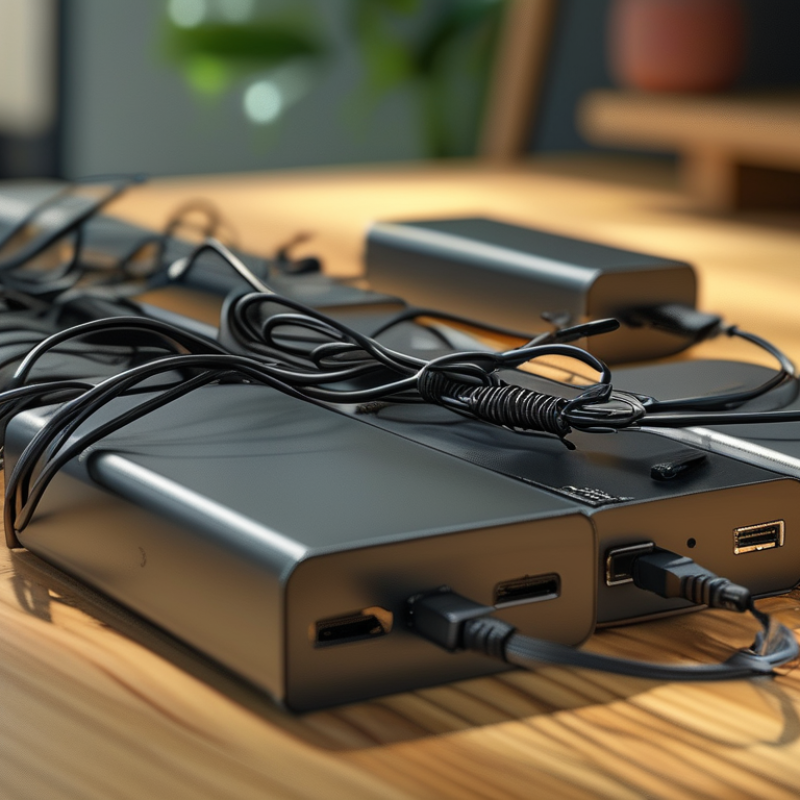
Choosing the right environment for charger storage is critical for safety and longevity. Chargers can be sensitive to temperature and humidity. Data from the National Fire Protection Association reveals that poor storage practices can lead to electrical hazards. Thus, it is essential to keep chargers in a cool, dry place. Avoid damp basements or areas near windows, where sunlight hits directly.
Another consideration is avoiding clutter. Many people store chargers in drawers filled with miscellaneous items. This can lead to damaged cords or even short circuits. A dedicated container or a specific drawer can help. Research indicates that organized charging stations can reduce risks and increase efficiency. Make sure your storage area is clean and well-ventilated.
Regularly inspect your chargers for signs of wear. Look for frayed cables or discolored plugs. Minor defects can escalate into significant safety issues. Even the best chargers will show signs of aging. Adopting a proactive approach to charger storage can yield more reliable performance and maximize lifespan.
Cleaning your charger before storage is essential for maintaining its longevity and performance. Dust, dirt, and grime can accumulate on charging ports and cables over time. According to industry experts, chargers that are not cleaned regularly can lead to poor connectivity, which affects device performance. A survey conducted by Tech Insights found that 76% of users experienced charging issues due to dirty connectors.
To clean your charger effectively, start by unplugging it. Use a soft, dry cloth to wipe down the exterior. For charging ports, a small, soft brush may help remove debris without causing damage. Avoid using liquids, as moisture can lead to corrosion. Remember, a cleaner charger not only lasts longer but also ensures safer use.
**Tips:** Regular cleaning sessions, once a month, can significantly enhance your charger’s efficiency. Inspect cables for fraying or wear, as these can pose safety risks. After cleaning, store your charger in a cool, dry place to prevent dust build-up and prolong its life. Consider organizing cords neatly to avoid knots, which can cause stress on the cables and lead to damage over time.
Storing a charger safely is essential for its longevity. Proper cable management plays a crucial role in this process. Studies show that nearly 30% of charger damage is due to improper storage. Effective cable management prevents tangling, fraying, and eventual malfunction.
To manage cables, consider using twist ties or Velcro straps. These simple tools help organize cords without causing stress to the wires. A report from a leading tech safety organization indicates that users who adopt these methods notice a 40% decrease in cable wear. It is important to avoid winding cables too tightly. This can create pressure points that lead to breakage.
Moreover, try storing chargers in a designated container. Keeping them in a drawer or basket can minimize exposure to dust and moisture. Using separate compartments for each charger prevents cross-contamination of cables. Remember, poorly managed cables not only create functional issues but could also pose safety risks. Always prioritize finding a method that works for you. Every little detail in cable management impacts the effectiveness of your charger.
Organizing chargers can make a big difference. A cluttered space can lead to misplaced items or even damage to your chargers. Use small bins or pouches for each charger type. This keeps them together and easy to find. You might also label each container for quick identification. A simple label helps avoid confusion.
Consider using drawer dividers to separate chargers by device. This method provides a neat appearance and reduces tangled cords. When you need a charger, it’s right at your fingertips. Some people struggle to maintain this organization. You might need to regularly check and tidy up your setup.
Wall-mounted organizers are another great idea. They free up space and keep chargers off surfaces. Keep them within reach but out of the way. However, remember that too much clutter can still occur. Assess your storage regularly to match your needs. Reflect on how you use each charger, and adjust your space accordingly.
When it comes to chargers, organization is key. Labeling chargers can save you time and frustration. Use simple tags that indicate the device each charger belongs to. This could include names, icons, or even colors. When you need a charger, it will be easy to find the right one quickly.
Tracking your chargers is another effective method. Consider using a designated storage box. This should be large enough to hold all your chargers but not so large that items get lost. You could download an app to keep a digital inventory, making it easier to manage multiple chargers.
Here are a few tips for charger organization:
- Keep chargers in one central location.
- Regularly check for any broken or unused chargers.
- Don’t hesitate to redefine your system if it's not working. Is your current setup effective? Change it if you need to. Awareness and adaptation can make all the difference in keeping your chargers safe and easily accessible.
| Charger Type | Labeling Method | Storage Solution | Tracking Method |
|---|---|---|---|
| USB Wall Charger | Color-coded tape | Drawer Organizer | Spreadsheet |
| Wireless Charger | Label maker | Shelf compartment | Inventory app |
| Laptop Charger | Permanent marker | Cable management box | Notepad |
| Smartphone Charger | Sticky labels | Zipper pouch | Mobile app |
| Power Bank | Printed tags | Storage box | Checklist |
: The storage environment affects safety and longevity. Chargers need a cool, dry place to function well.
Avoid damp areas and direct sunlight. Keep chargers away from clutter to prevent damage.
Use twist ties or Velcro straps to organize cables. Avoid winding them too tightly to prevent breakage.
Regular inspections are essential. Look for frayed cables or discolored plugs to prevent safety issues.
Small bins, pouches, and drawer dividers help keep chargers neat. Labeling containers speeds up identification.
Yes, nearly 30% of charger damage results from improper storage and management.
Store chargers in designated containers. This protects them from dust and moisture.
Regularly check and tidy your storage area. Adjusting your setup can help maintain organization.
Yes, tangled cables can create functional issues and pose safety risks. Prioritize proper management.
Poor management can lead to damage and reduce lifespan. Consider adopting better organization methods.
When considering how to store a source charger properly when not in use, it is essential to select a suitable environment that is cool, dry, and free from direct sunlight to prevent damage. Prior to storage, ensure the charger is clean and free from dust or debris, as this helps maintain its functionality. Proper cable management is also crucial; avoid tight bends by neatly coiling the cable and securing it with Velcro straps or ties.
Utilizing organizational tools such as storage bins or boxes can help keep chargers and their cables organized. Additionally, labeling chargers and tracking them can significantly enhance accessibility, making it easier to find the right charger when needed. By following these guidelines, one can ensure that chargers remain in good condition and are readily available for use.

Caiku Electronic