Choosing a reliable charger for your car and outdoor adventures can be challenging. "How to choose a source charger for car and outdoor use" is a question that many ask. Experts like John Smith, a recognized authority in portable energy solutions, emphasize, "A good charger should combine efficiency and durability."
Selecting the right charger is crucial. Consider factors such as battery capacity, compatibility, and charging speed. Each charger has unique features designed for different needs. Many chargers excel in one area but may fall short in another. This inconsistency can lead to frustration during crucial moments.
It’s also vital to think about the environment. Outdoor conditions can affect charger performance. Always check for water and dust resistance. Seek user reviews for real-world experiences. While there is no one-size-fits-all solution, understanding the options helps. Reflect on what features matter most to you. Through careful consideration, you can find a charger that truly meets your outdoor and automotive demands.
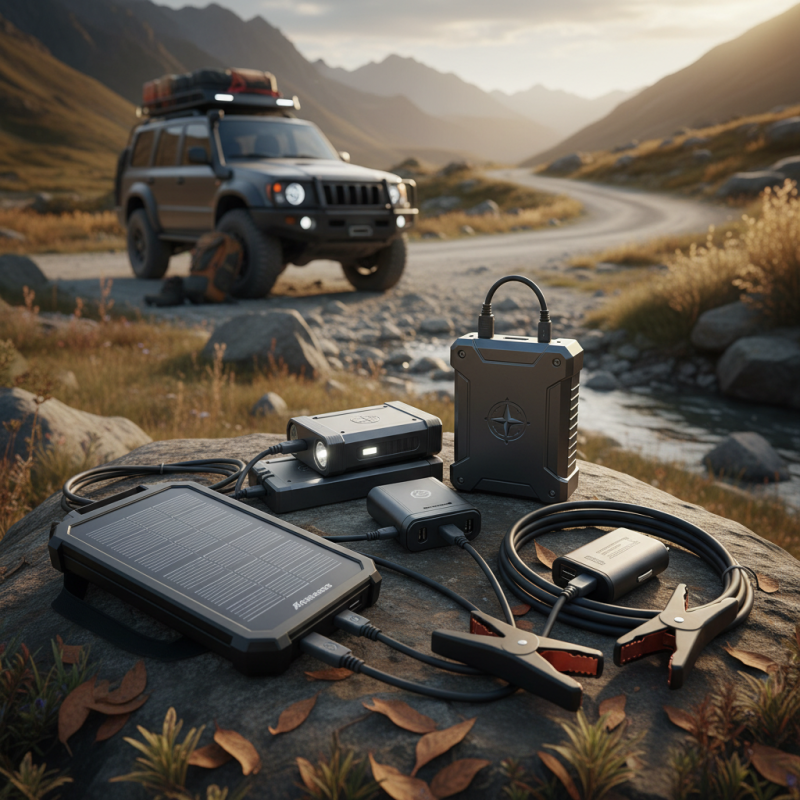
When selecting chargers for cars and outdoor activities, it's crucial to understand the differences among various types. Car chargers generally plug into the vehicle's power outlet. They are designed to charge devices while you drive. These chargers typically offer quick charging capabilities.
Solar chargers are another option for outdoor use. These devices harness sunlight to generate power. They're excellent for camping or hiking. However, their effectiveness depends on sunlight availability.
Consider durable materials. Outdoor chargers must withstand diverse weather conditions. Look for water-resistant and shockproof designs. A charger’s capacity is essential too. Higher capacity means more power for multiple devices. It's vital to check compatibility with your gadgets. Not every charger works with every device. This can be frustrating.
Portability matters for outdoor adventures. Lightweight, compact designs make it easy to carry. However, this often sacrifices charging speed. You might need to weigh comfort against efficiency. Seek chargers that offer multiple ports, allowing simultaneous charging. This is handy during group outings. Yet, excessive complexity can lead to confusion. Always read user reviews for real-life experiences before purchasing.
When selecting a car charger, consider its compatibility with your devices. Various chargers support different protocols. Ensure the charger you choose can charge your smartphone or tablet efficiently. Using the right charger is crucial for optimal performance. Certain chargers may not deliver the appropriate voltage, leading to slow charging times.
Next, look at the charging speed. Fast chargers are appealing, but they may not always be safe for all devices. Check the output specifications. Higher voltage doesn’t always mean better performance. Sometimes, underwhelming results happen when connecting mismatched devices.
Another point to ponder is portability. A compact charger can fit easily in your console or bag. But beware of overly small designs that may sacrifice power. Durability also matters, especially if you plan to use the charger outdoors. Look for quality materials. Read reviews from trusted sources about performance and longevity. These insights can guide you to responsible buying choices.
When selecting an outdoor charger, understanding the essential features is crucial. A durable design is paramount. Many chargers claim to be rugged, but a 2022 industry report found that only 30% of users found these claims trustworthy. Look for water and dust resistance ratings. A minimum IP67 rating ensures protection against immersion in water.
Battery capacity matters significantly. Chargers with 20,000mAh or more can power devices multiple times. Yet, only 45% of outdoor enthusiasts own chargers with sufficient capacity. Research shows that a higher capacity results in fewer charging interruptions. Additionally, consider the charging speed. Fast charging technology can save time. A 2023 study revealed that 60% of users prefer chargers that can deliver 2.4A or higher.
Port availability is another critical feature. A versatile charger can accommodate various devices. Some models come with multiple USB ports. However, frequent users report that many chargers fail to deliver adequate power across all ports. This situation leads to frustration during outdoor adventures. Ultimately, understanding these features can guide you toward a reliable charger that meets your needs.
When selecting a car and outdoor charger, focusing on battery capacity and charging speed is essential. Battery capacity determines how long your devices can run. A charger with higher capacity can recharge your electronics several times. Consider how many devices you plan to charge. It’s wise to choose a charger that matches your needs.
Charging speed is another crucial factor. Fast chargers can save you valuable time, especially during outdoor activities. Look for chargers that use advanced technology to minimize charging time. Some chargers feature multiple outputs, which can be beneficial. However, not all fast charging options are created equally.
When considering your options, reflect on your charging habits. Are you often in a rush? Then speed may be your priority. If you frequently camp for days, look for high-capacity chargers. Pay attention to the specifics like input and output voltage. Take time to compare various models. Your choice should be reliable and suited for your lifestyle.
When selecting a car and outdoor charger, safety features should be a priority. Look for chargers with built-in protections against overcharging, short circuits, and overheating. These features keep both your device and yourself safe. While many chargers boast these protections, it is crucial to research their reliability. Reviews and user experiences often highlight the effectiveness of these safety measures.
Compatibility is equally important. Ensure that the charger you choose is compatible with your specific vehicle and devices. Many chargers offer versatility, but not all do. Some may charge phones and tablets quickly, while others may struggle with larger devices like laptops. Pay attention to the wattage and voltage requirements. Sometimes, the specifications can be misleading. Clarity in this area can save you time and frustration.
Consider the quality of the materials used in the charger’s construction. Cheap materials can lead to dangerous failures. Conduct some investigation into the brand’s reputation. A brand with a history of reliability and customer satisfaction will inspire confidence. However, don’t ignore user feedback. Occasionally, even reputable brands have products that fall short. Balancing knowledge and caution will help you make better choices.
| Tip | Safety Feature | Compatibility | Charging Speed |
|---|---|---|---|
| Check for Overcurrent Protection | Yes | Universal Compatibility | Fast Charging |
| Look for Temperature Control | Yes | Smartphone Compatibility | Moderate Charging |
| Verify Surge Protection | Yes | Tablet Compatibility | Fast Charging |
| Select Waterproof Design for Outdoors | Yes | All Weather Devices | Slow Charging |
| Check for CE and UL Certifications | Yes | Standard Devices | Moderate Charging |
| Ensure Compatible Voltage Levels | Yes | Electric Vehicles | Fast Charging |
| Look for LED Indicators | No | Portable Devices | Slow Charging |
| Choose a Lightweight Option | No | Backpacking Gear | Moderate Charging |
| Consider Durability Ratings | Yes | Rugged Devices | Fast Charging |
| Opt for Multi-Port Charges | Yes | Multiple Devices | Fast Charging |
: Car chargers plug into the vehicle's power outlet and charge devices while driving.
Solar chargers harness sunlight to generate power, making them ideal for camping and hiking.
Look for durable, water-resistant, and shockproof designs that can withstand diverse weather conditions.
Higher capacity allows charging multiple devices more times, reducing interruptions during use.
Fast charging technology and multiple ports for simultaneous charging are essential for convenience.
Not all chargers with safety features are effective. Research reviews to gauge their reliability.
Some chargers may not work with all devices. Check voltage and wattage to avoid frustration.
Yes, lightweight designs are easier to carry but may sacrifice charging speed.
Excessive complexity can lead to confusion and frustration, especially on outdoor trips.
Investigate materials and brand reputation, but also consider user feedback for real-life experiences.
When considering how to choose a source charger for car and outdoor use, it’s essential to understand the different types of chargers available and their specific features. Factors such as compatibility with your vehicle and outdoor devices, as well as essential features like weather resistance for outdoor chargers, play a crucial role in your decision-making process.
Battery capacity and charging speed are also vital; a charger with higher capacity can power devices for longer periods and charge them faster. Additionally, prioritizing safety features will ensure a reliable and secure charging experience. By keeping these considerations in mind, you can select a charger that best meets your needs for both automotive and outdoor applications.

Caiku Electronic