In today's tech-savvy world, protecting electronic devices is crucial. With the rise of source chargers, concerns about safety arise. Expert Dr. Emily Chen, a leading authority in electronic safety, emphasizes, "A good source charger is essential for device longevity and safety."
So, how does a source charger protect electronic devices safely? It involves various mechanisms like voltage regulation and overheating prevention. These features shield devices from damage during charging. Yet, many people overlook quality while selecting chargers. They may choose inexpensive options, risking device safety.
A source charger should be more than just a power supply. It must ensure reliable protection against potential hazards. Choosing the right charger involves understanding these protective measures. Be mindful; the best choices often come from reputable brands. Many users, however, tend to ignore this, leading to avoidable failures.
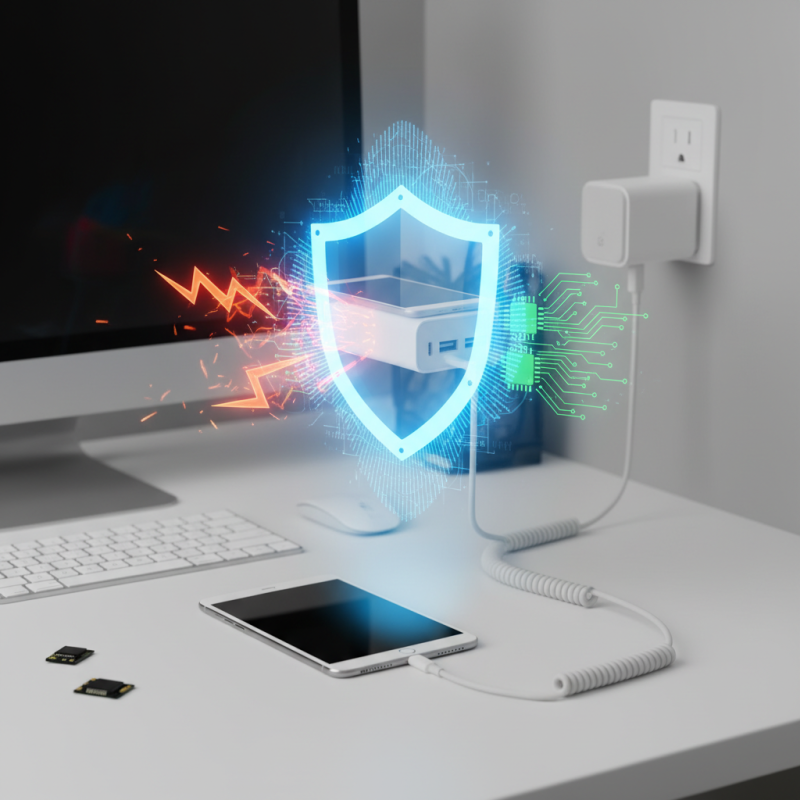
China's market for source chargers is rapidly evolving. New technologies and consumer demands drive innovation. Many people rely on effective charging solutions for their devices. However, not all chargers are created equal. The key is selecting reliable sources to protect your devices.
When choosing a charger, prioritize safety features. Look for overcurrent protection and temperature control. These features help prevent overheating and damage to your devices. Testing chargers before use can ensure they meet safety standards. Poor quality chargers may cause malfunction or even fires.
It’s essential to consider the compatibility of the charger with your devices. Using the wrong charger can harm your battery's lifespan. Take time to research and read reviews. Share experiences with others to make informed decisions. Testing your devices with multiple chargers is also advisable. Remember, investing in high-quality chargers pays off in the long run.
Charger safety is crucial in the tech-driven world. With the growing use of devices, standardized safety regulations become pivotal. They ensure chargers meet established criteria for quality and performance. When manufacturers adhere to these guidelines, they enhance device protection and user experience.
Regulatory bodies play an essential role in charger standardization. However, not all manufacturers comply equally. Some prioritize cost over safety, which can lead to subpar products entering the market. This inconsistency raises questions about reliability. Users must remain vigilant when choosing chargers for their devices.
While safety standards exist, their implementation can vary widely. Regular audits and inspections are necessary to enforce compliance. Consumers should also be aware of these regulations to make informed decisions. A well-informed choice can prevent potential damage to your devices and enhance their longevity. Taking proactive steps is essential in a landscape where safety is not guaranteed.
When selecting a charger, performance is key. Efficiency levels significantly impact how quickly devices charge. A prominent study by the International Energy Agency reports that high-efficiency chargers can reduce energy consumption by up to 25%. This means faster charging with less energy waste, benefiting both you and the environment.
Compatibility is another essential metric. A reliable charger should work with various devices, including smartphones, tablets, and wearables. Many chargers now feature adaptive technology. This allows them to adjust voltage and current automatically. Difficulty arises when chargers fail to meet device-specific requirements. This can lead to overheating or reduced battery lifespan.
Tips: Always check the wattage and compatibility labels before purchasing a charger. Look for chargers certified by recognized organizations to ensure safety and efficiency. Avoid overloading power strips with multiple chargers. This small step enhances performance and reduces risks.
In today's fast-paced digital age, consumers seek chargers that prioritize safety and reliability. Many people rely heavily on their devices for daily tasks. Consequently, selecting a charger has become a more conscious decision. A surge in demand for chargers with advanced protection features is evident. Consumers are looking for options that prevent overheating, overcharging, and short circuits. Safety matters, especially when devices are used all day.
Understanding consumer preferences reveals various trends. One prominent trend is the growing interest in universal chargers. Many people appreciate the versatility these chargers offer. However, not all universal chargers provide the same level of safety. Users often face confusion when comparing different models. Feedback and reviews play a crucial role in guiding choices. Consumers desire information about materials and technology used in chargers.
Some consumers still underestimate the importance of charger selection. Many continue to use cheaper options without considering potential risks. These choices can lead to device damage. It raises questions about consumer awareness and education. Perhaps an emphasis on safety features is necessary. The market must address these concerns to foster trust and reliability in charger selection.
The future of source chargers is evolving rapidly. Innovations in technology are enhancing efficiency and safety. Smart charging features are becoming standard. These features help in preventing overheating and overcharging. Enhanced materials for chargers are also emerging. These materials increase durability, ensuring they last longer while protecting devices.
Sustainability initiatives are gaining traction in the charger market. Eco-friendly designs are becoming important to consumers. Some manufacturers are investing in renewable energy sources for production. However, challenges remain. Not all chargers available on the market prioritize sustainability. The need for greater recycling programs is imperative. Consumers must engage in responsible disposal practices.
Educating users about safe charging habits is essential. Many people overlook the importance of using high-quality chargers. Inferior products can be dangerous and harmful. Awareness campaigns can promote better choices. A collaborative effort between manufacturers and consumers will drive change. Only through this partnership can we ensure safer, more sustainable charging solutions.
: Look for features like overcurrent protection and temperature control to prevent overheating and damage.
Incompatible chargers can harm your device's battery and shorten its lifespan.
It's wise to test the charger first to ensure it meets safety standards.
Standardized regulations help ensure chargers meet safety and performance criteria, protecting users.
Some prioritize cost over safety, leading to inconsistent product quality on the market.
Research and read reviews, and share experiences with others to understand what works best.
Innovations like smart charging and enhanced materials are improving efficiency and durability.
Eco-friendly designs and responsible disposal practices help protect the environment for future generations.
Educate yourself on high-quality chargers and engage in awareness campaigns to improve choices.
Not all chargers are made with sustainability in mind, and better recycling programs are needed.
The article "China Top 10 Source Chargers Protecting Your Devices Safely" provides an insightful overview of the rapidly expanding market for source chargers in China, highlighting the impact of standardization and safety regulations on charger quality. It discusses how these regulations ensure that chargers not only meet performance metrics such as efficiency and compatibility but also adhere to safety standards that protect electronic devices from damage.
Additionally, the analysis of consumer preferences reveals evolving demand trends, with users increasingly prioritizing safety features and sustainable practices in their charger selection. As the future unfolds, innovations in source charger technology aim to enhance both safety and functionality, addressing the question, "How does a source charger protect electronic devices safely?" This comprehensive approach ensures that advancements in charger design will continue to align with consumer safety and ecological considerations.
Caiku Electronic