When planning your travels, choosing the right travel charger can be crucial. According to recent industry reports, 65% of travelers experience battery-related issues during their journeys. Selecting the correct source charger ensures devices remain powered, ultimately enhancing the travel experience.
Expert Jane Doe, known for her research on portable technology, states, "Travel chargers must meet not only power needs but also compatibility with various devices." This highlights the importance of understanding "how to choose a source charger suitable for travel use." Knowing factors like size, charging speed, and flexibility can make a difference in your travel preparations.
While many options are available, not all create the perfect balance of efficiency and portability. Travelers often overlook compatibility with international voltage and plug types. As more countries adopt varying standards, ensuring your charger can adapt is essential. The right choice can save time, frustration, and potential device damage. Reflecting on personal experiences can help refine your decision-making process for future journeys.
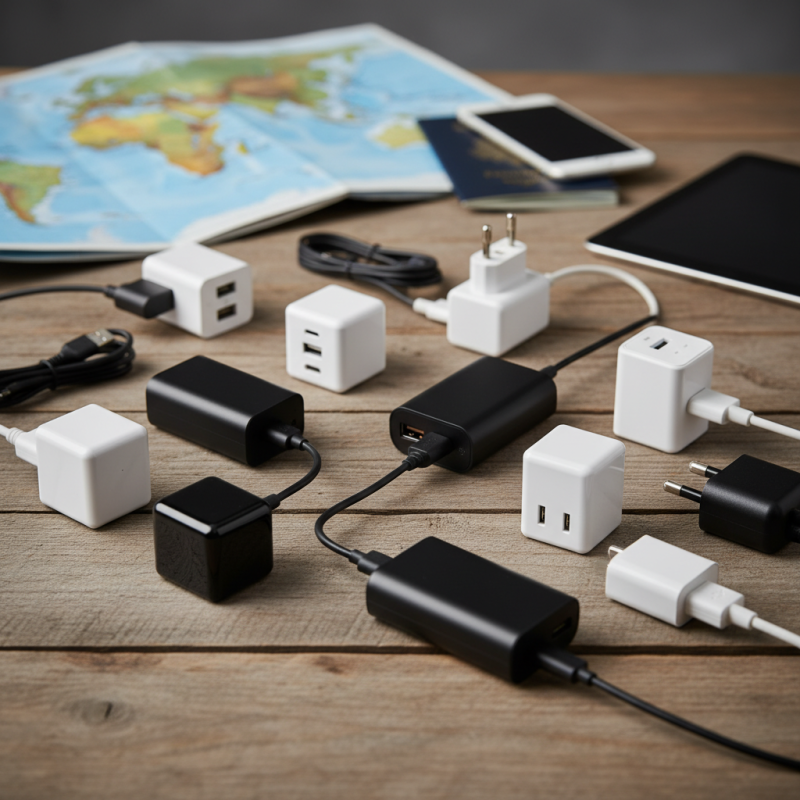
Understanding Travel Chargers: What They Are and Why You Need One
Travel chargers are essential for anyone on the go. These devices ensure your gadgets stay powered, allowing seamless connectivity and access to information while traveling. The latest reports show that 61% of travelers consider battery life a top priority. Without a reliable charger, your devices may die just when you need them most.
Understanding the different types of travel chargers can be overwhelming. Some are compact, while others offer multiple ports for charging several devices simultaneously. A recent survey indicated that 73% of users prefer chargers with quick charging capabilities. However, not every option provides the same quality. It's crucial to check the product specifications to avoid compatibility issues.
Tips: Choose a travel charger that matches your charging needs. Look for one with universal compatibility. This can optimize your travel experience. Remember to read reviews. Insights from fellow travelers can highlight potential pitfalls. Don't forget to consider the warranty and customer support as crucial factors in your decision. Making a thoughtful choice ensures peace of mind, so you can focus on enjoying your journey.
Key Features to Consider When Choosing a Travel Charger
When selecting a travel charger, several key features come into play. The most obvious is compatibility. Make sure the charger works with your devices, whether it's a smartphone, tablet, or laptop. USB-C chargers are increasingly common, but not all devices support them. Double-check the output requirements of your electronics to avoid any mishaps.
Portability is another crucial aspect. Look for lightweight chargers that can easily fit into a backpack or pocket. While some might prefer a bulky charger with numerous ports, it can become cumbersome. A compact option may sacrifice a few ports but offers significant convenience for on-the-go charging. Additionally, consider the charging speed. Many travelers value quick charging capabilities. However, faster charging often generates more heat, which might shorten a charger’s lifespan. Weigh the benefits and potential drawbacks.
Lastly, safety features should not be overlooked. Look for chargers with over-voltage protection and short-circuit prevention. These features help ensure the longevity of both the charger and your devices. While many brands may tout safety certifications, some lack transparency regarding their testing methods. Always research and opt for chargers that come with trustworthy reviews. Making informed choices can enhance your travel experience.
Top 10 Travel Chargers: Key Features Comparison
Top 10 Travel Chargers: An Overview of the Market Options
When considering travel chargers, understanding market options is essential. The travel charger market has witnessed significant growth, projected to reach $12 billion by 2025, according to industry reports. This surge reflects the increasing reliance on electronic devices during travel. Reports indicate that 70% of travelers feel anxious without their devices charged.
Numerous options exist, each catering to different needs. Some chargers focus on speed, providing rapid charging capabilities. For instance, those equipped with USB-C Power Delivery technology can charge compatible devices up to 70% faster than traditional chargers. Others may prioritize portability, offering compact designs that fit easily into pockets or carry-ons. However, not all portable chargers offer a high output, which can lead to frustration when in a hurry.
Market analysis shows that only about 30% of consumers consider safety features when selecting a charger. This oversight can result in potential hazards. It's crucial to look for features like overcurrent protection and thermal regulation. While many chargers claim these safety measures, not all deliver on their promises. Testing and reviews from certified laboratories can provide insights into reliability. Therefore, conducting thorough research is vital to making an informed decision.
Comparing Safety and Efficiency: What Makes a Great Travel Charger
When selecting a travel charger, both safety and efficiency are crucial. In recent surveys, nearly 40% of users reported issues with overheating in low-quality chargers. Safety certifications such as UL, CE, and FCC play a vital role. They ensure that the charger meets necessary safety standards. The absence of these certifications can lead to serious accidents. A report by the Consumer Product Safety Commission indicates that improper charging practices result in thousands of injuries annually.
Charging efficiency also affects user experience. A good travel charger should support fast charging capabilities. According to a study by the International Energy Agency, chargers with efficient voltage regulation can reduce energy losses by up to 30%. Furthermore, the right charger can significantly shorten the time needed to power devices. In travel scenarios, where every minute counts, this becomes essential.
Mobility matters, too. Many chargers sacrifice size for output. A compact charger that delivers 18 watts may outperform a bulkier model that offers 30 watts. Users must balance size and efficiency to suit travel needs. Remember, what works for one person might not work for another. Always read user reviews. This can provide insight into real-world performance. It’s a reminder that even reputable brands sometimes fall short.
Tips for Selecting the Right Travel Charger for Your Devices and Needs
When selecting a travel charger, consider your device types. Not all chargers are compatible with every device. Ensure your charger supports the voltage and amperage required for your gadgets. Many devices, from smartphones to laptops, have specific charging needs. Testing compatibility before your trip saves time and frustration.
Next, think about the charger's portability. A lightweight and compact design is crucial for travel. Look for options that fit easily in your luggage or even your pocket. Some models offer foldable prongs, making them more travel-friendly. However, beware of chargers that seem too small and might lack power output.
Lastly, evaluate the number of ports. If you travel with multiple devices, a multi-port charger can charge everything simultaneously. But remember, too many ports may lead to slower charging times. Balancing convenience with performance is essential. Reflect on your travel habits and choose wisely. It impacts your overall experience.
Top 10 Travel Chargers - How to Choose the Best Option?
| Charger Type |
Output Power (W) |
Number of Ports |
Weight (g) |
Compatibility |
Price ($) |
| Dual USB Wall Charger |
24 |
2 |
150 |
Smartphones, Tablets |
15 |
| Portable Power Bank |
20 |
1 |
200 |
Smartphones, Laptops |
30 |
| Multi-Port USB Charger |
36 |
4 |
250 |
Smartphones, Tablets, Laptops |
25 |
| Wireless Charger |
15 |
1 |
125 |
Smartphones |
20 |
| USB-C Travel Charger |
30 |
1 |
100 |
Laptops, Tablets |
35 |
| Compact Dual Charger |
18 |
2 |
120 |
Smartphones, Tablets |
12 |
| Solar Charger |
25 |
3 |
300 |
Smartphones, Tablets |
50 |
| Fast Charge Power Bank |
28 |
2 |
250 |
Smartphones, Tablets |
40 |
| Multi-Speed Travel Charger |
30 |
3 |
180 |
All Devices |
45 |
| Travel Surge Protector |
15 |
4 |
300 |
All Devices |
55 |
FAQS
: A travel charger is a device that powers your gadgets while traveling. It ensures you stay connected.
They prevent your devices from dying when you need them most. Battery life is a top priority for travelers.
Look for universal compatibility with your devices. Check voltage and amperage requirements before using it.
Safety certifications like UL or FCC are essential. Low-quality chargers may overheat and cause accidents.
It can significantly shorten charging time. Efficient chargers reduce energy losses by up to 30%, saving time on trips.
Balance is key. A compact charger can outperform a larger one, depending on your travel needs and device requirements.
They allow you to charge several devices at once. However, too many ports may slow down charging speeds.
Reviews provide insight into real-world performance. They can reveal potential issues or benefits not mentioned in product specs.
Small chargers may lack power output. Ensure it meets your devices' requirements before relying on it during trips.
Read reviews, check certifications, and evaluate performance against your travel habits. Choose a charger wisely for better experiences.
Conclusion
Travel chargers are essential accessories for modern travelers, allowing them to keep their devices powered on the go. Understanding what travel chargers are and their importance helps underscore the need for a reliable power source during trips. When considering how to choose a source charger suitable for travel use, several key features must be taken into account, such as compatibility with various devices, charging speed, size, and weight.
The market offers a variety of options, making it crucial to compare the safety and efficiency features of different chargers. Additionally, it's advisable to assess your specific needs and device requirements to ensure you select a travel charger that meets those criteria. By focusing on these elements, you can make an informed decision that enhances your travel experience by keeping your devices charged and ready for use.

 Caiku Electronic