Chargers are essential in our daily lives, but why do some source chargers become hot while working? This phenomenon can be concerning for users. Many may wonder if excessive heat indicates a potential hazard or simply a design issue. Understanding this can help users make informed choices.
Heat generation in chargers often results from electrical resistance and energy conversion. Factors such as design quality, material, and charging speed play crucial roles. High-performance chargers tend to generate more heat due to increased energy flow. It's important to realize that heat isn't always a sign of malfunction. Some chargers are designed to operate at higher temperatures.
Users should adopt best practices for charger use. Avoid placing chargers in confined spaces where heat cannot dissipate. Regularly inspect chargers for damage or wear. Be cautious with non-certified chargers, as they may lack proper safety mechanisms. Effective management ensures device longevity and user safety. A little attention can lead to better charging experiences.
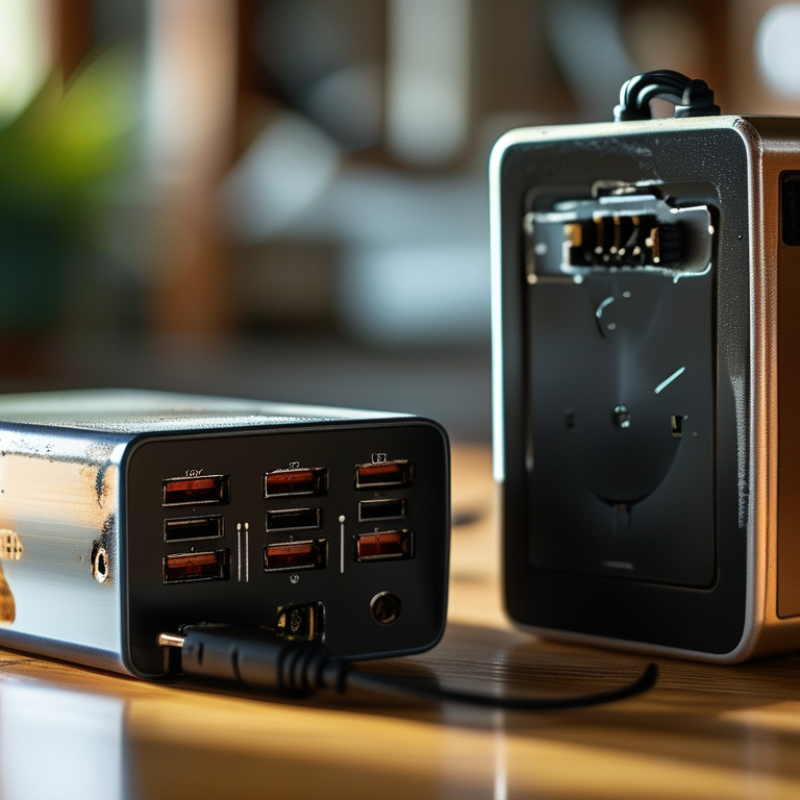
Many people notice their chargers getting hot during use. This phenomenon can stem from several causes. One common reason is the charger’s power output. When charging devices at a high speed, increased power flow generates more heat. This can lead to overheating issues.
Another factor is poor ventilation. Using chargers in enclosed spaces, like a drawer or under a pillow, restricts airflow. As heat builds up, it can cause performance issues. Over time, this heat can damage both the charger and the connected device.
Additionally, damaged cables or connectors contribute to overheating. A frayed cord can create resistance. This results in excess heat generation during charging. Regularly checking chargers for wear can prevent dangerous situations. Awareness of these factors promotes safer charging practices.
| Cause of Overheating | Description | Best Practice |
|---|---|---|
| Poor Ventilation | Chargers generate heat when in use, and lack of airflow can cause them to trap heat. | Ensure that the charger is placed in a well-ventilated area. |
| Overloading | Using a charger with devices that draw more power than it can handle can cause overheating. | Use a charger that matches the power requirements of your device. |
| Faulty Charger | Damaged circuits or components within a charger can result in excess heat generation. | Regularly inspect chargers for any signs of damage. |
| Environment | High ambient temperatures can exacerbate heat buildup in chargers. | Avoid using chargers in direct sunlight or hot environments. |
| Continuous Use | Prolonged usage without breaks can lead to overheating. | Take breaks between charging sessions to allow the charger to cool down. |
: Chargers can get hot due to high power output or poor ventilation. High-speed charging generates excessive heat.
Using chargers in confined spaces restricts airflow. This leads to heat buildup and potential damage to the charger and device.
Look for frayed cords, bent plugs, or exposed wires. These issues can cause overheating or short circuits.
Regularly clean the charging port and ensure the charger is on a hard surface. Avoid covering it with fabrics.
It's risky to leave devices charging for long periods. Unattended charging increases the chance of overheating.
If your charger often gets hot, consider replacing it. Using multiple chargers can also ease strain on one device.
Using an incompatible charger can lead to overheating and damage. Always use the recommended charger for your device.
Ensure good ventilation, avoid soft surfaces, and unplug chargers when not in use. These practices help reduce risks.
Yes, checking for wear and damage is crucial. Regular inspections can prevent dangerous situations caused by faulty chargers.
Reflecting on charger usage can lead to better practices. Distributing use across multiple chargers is helpful for device preservation.
Some chargers can become hot during use, raising questions about their safety and efficiency. Understanding the causes of charger overheating reveals that factors such as internal resistance, overloading, and environmental conditions play significant roles. Different types of chargers exhibit varying thermal characteristics, which can influence their performance and safety.
To ensure the safe usage and maintenance of chargers, it is essential to follow best practices such as using appropriate cables, avoiding overcharging, and keeping devices in well-ventilated areas. Users should also be aware of signs that indicate a faulty charger, such as excessive heat, unusual noises, or inconsistent charging patterns, and know when it’s time to replace the device. Implementing safety measures can prevent charger-related accidents and promote effective charging without risks. Understanding "why do some source chargers become hot while working" is crucial for promoting safer charging practices.

 Caiku Electronic