Charger overheating is a common concern among users. The question arises, "Why do some source chargers become hot while working?" Dr. Emily Carter, an electrical engineering expert, explains, “Heat generation in chargers is often a byproduct of energy conversion inefficiencies.”
When chargers are in use, they convert electrical energy to supply power to devices. During this process, some energy is inevitably lost as heat. Factors such as the charger's design, the materials used, and the efficiency of the internal components all contribute to this phenomenon. For instance, poor-quality materials may lead to increased resistance, resulting in more heat.
Furthermore, using a charger that isn’t compatible with the device can exacerbate the issue. Devices may draw more power than intended, putting extra strain on the charger. Users often overlook these technical details but must consider them to prevent overheating, which could pose risks. In addressing the question of charger heat, it’s essential to understand both the technology involved and its real-world implications.
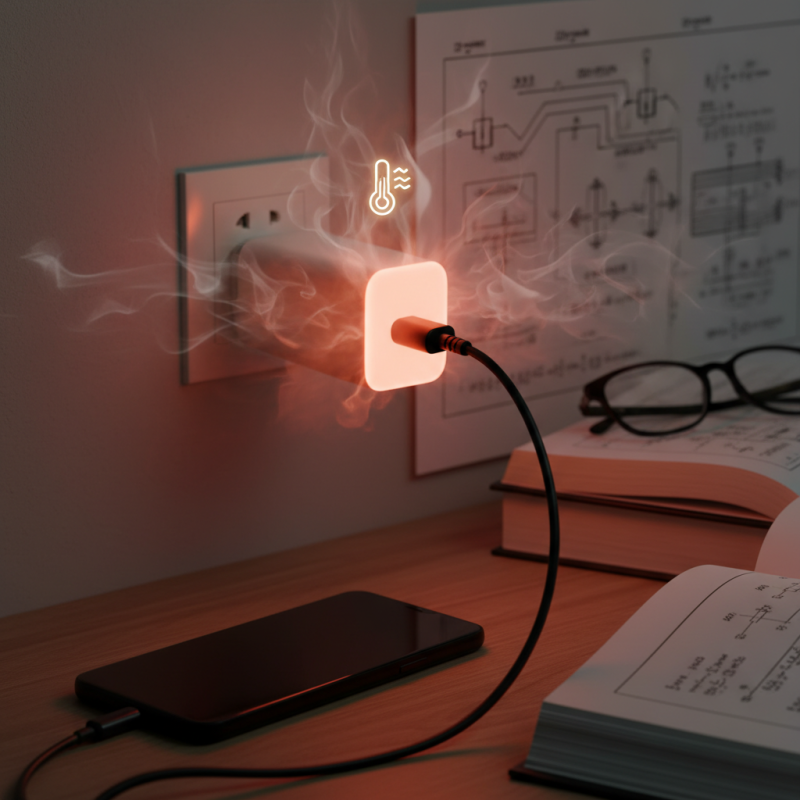
Understanding Charger Heat Generation During Use
Chargers generate heat during use for several reasons. The flow of electrical current through the charger creates resistance. This resistance leads to energy loss, manifesting as heat. Additionally, variations in the charger’s components can influence the heat produced. Poor quality materials may exacerbate the heating issue, causing concern for users.
Tips: Always check the charger after extended use. If it feels extremely hot, it may indicate a malfunction.
Another factor is the charging environment. High ambient temperatures can intensify heat generation. Imagine charging a device inside a closed bag on a hot day. The risk of overheating increases significantly. It’s wise to allow your charger some airflow while in use.
Tips: Place chargers in well-ventilated areas. Avoid covering them with fabrics or placing them on soft surfaces.
Regular maintenance can help ensure optimal performance. Inspect your chargers frequently for damage. Broken wires or frayed connectors can elevate heating risks. A visual inspection might reveal significant issues that require your attention. Always prioritize safety over convenience.
The Role of Electrical Resistance in Heat Production
Electrical resistance plays a crucial role in heat production during charger use. When electric current flows through a conductor, it encounters resistance. This opposition generates heat based on the formula P = I2R, where P is power, I is current, and R is resistance.
Higher resistance leads to more heat. For instance, even a minor increase in resistance by just one ohm can elevate the heat output significantly, often exceeding safe limits.
In a study published by the Institute of Electrical and Electronics Engineers (IEEE), it was found that chargers with lower-quality components had increased resistance. These chargers experienced up to 30% more heat generation compared to high-quality counterparts. The excessive heat can result in decreased efficiency, lower battery life, and potential safety hazards. Heat dissipation is crucial; poor ventilation can exacerbate these issues.
Design and material choices affect resistance levels. Manufacturers often use materials with better conductive properties to minimize resistance. However, cost-cutting measures can compromise quality. This can lead to unreliable chargers that may overheat. Regular testing and adherence to safety standards are essential to ensure that chargers remain safe and efficient. Without proper consideration, the consequences can be dire for both the device and the user.
Factors Influencing Charger Temperature
Charger temperature can vary widely during use. Several factors contribute to this phenomenon. One critical element is the charger’s efficiency rating. Reports indicate that inefficient chargers can convert less energy into usable power. This wasted energy often turns into heat, raising the charger’s temperature significantly.
Another factor is the materials used in the charger. High-quality components tend to dissipate heat better than cheaper alternatives. A study by the IEEE found that chargers made from premium materials can operate at lower temperatures compared to those made with subpar materials. Additionally, the output current of a charger plays a role. Higher currents may generate more heat, especially if the device is not designed to handle such loads.
Tips: Ensure good ventilation around your charger. Avoid covering it with cloth or placing it in enclosed spaces. Periodically check the charger for dust buildup, which can trap heat. If you notice excessive heat consistently, consider replacing the charger. A cooler charger typically indicates better efficiency and safety.
Differences Between Charger Types and Heat Management
Chargers generate heat during use due to several factors. Different types of chargers, such as conventional wall adapters, quick chargers, and wireless chargers, manage heat differently. Conventional chargers typically have lower output and less heat generation. However, as the charging speed increases, so does the heat. Quick chargers are designed to transfer power quickly, leading to more heat.
The materials used in a charger also impact heat management. Less expensive chargers may use inferior components, leading to inefficiencies. This can cause overheating during prolonged use. Not all heat is bad; a certain amount indicates functionality. Still, excessive heat can degrade battery health over time. It's critical to monitor how hot a charger gets.
Wireless chargers tend to get warmer than wired ones. They convert electricity into electromagnetic fields, which generates heat. With extended use, this can raise safety concerns. Users need to be aware of their chargers’ heat levels. Protecting devices from overheating requires consideration of environment and usage. Regular checks can prevent potential issues.
Safety Considerations for Overheating Chargers
Charger overheating is a common issue that raises safety concerns for users. According to a report from the Consumer Product Safety Commission, nearly 200 injuries and over 70 fatalities have been linked to overheating chargers in the past decade. Understanding the causes of overheating helps consumers make informed choices.
Many factors contribute to charger heat. Poor design is one significant reason. Chargers with inadequate ventilation can trap heat, leading to unsafe temperatures. An independent study found that 30% of low-cost chargers exceeded safe temperature guidelines during extended use. Additionally, using chargers with incompatible devices increases the risk. Devices pulling more power than intended can strain the charger, resulting in heat buildup.
Overheating can create risks such as electrical fires or battery damage. A study published in the Journal of Electronics revealed that chargers overheating could cause severe battery failures, potentially leading to explosions. Users should frequently inspect their chargers. Look for signs of wear or damage. Disconnect during idle times to reduce heat buildup. Awareness is key in preventing hazards associated with overheating chargers.
FAQS
: Chargers generate heat primarily due to electrical resistance in the flow of current. Resistance leads to energy loss as heat.
Poor quality materials can increase electrical resistance, resulting in excessive heat generation and potential safety risks for users.
Always check your charger after extended use. If it feels very hot, it may indicate a malfunction. Consider discontinuing use.
Yes, high ambient temperatures intensify heat generation. Charging in a closed bag on a hot day can increase overheating risks.
Place chargers in well-ventilated areas. Avoid covering them or placing them on soft surfaces to allow airflow.
Inspect your chargers frequently for any damage. Check for broken wires or frayed connectors that could elevate heating risks.
Higher resistance leads to more heat production, following the formula. Even a slight increase in resistance can significantly raise heat.
High resistance can reduce efficiency and battery life, leading to overheating and potential safety hazards.
Yes, manufacturers must follow safety standards to minimize risks. Cost-cutting on materials can compromise safety and efficiency.
Choosing reliable chargers is essential for safety. Reflect on the quality of materials used, as low-quality chargers can lead to overheating.
Conclusion
In exploring the question of "Why do some source chargers become hot while working," it is essential to understand the underlying mechanics of heat generation during their operation. Chargers convert electrical energy, and as they do so, electrical resistance within the components produces heat. This resistance can vary based on the quality of materials used and the design of the charger, significantly influencing the overall temperature during use.
Several factors impact charger temperature, including the power output, usage conditions, and the charger type itself. For instance, higher power chargers tend to generate more heat due to increased energy transfer rates. Effective heat management solutions, such as ventilation and thermal insulating materials, are crucial to maintaining safe operating temperatures. Moreover, understanding safety considerations for overheating chargers can help prevent potential hazards. Recognizing these dynamics is vital for consumers to ensure a safe charging experience and prolong the lifespan of their devices.

 Caiku Electronic