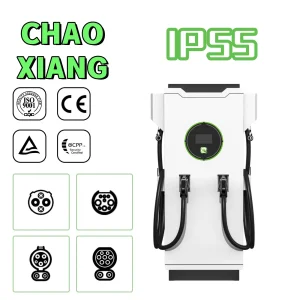
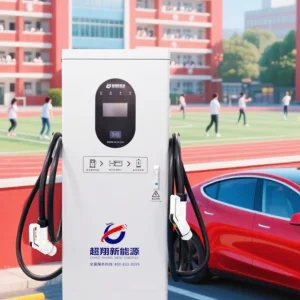
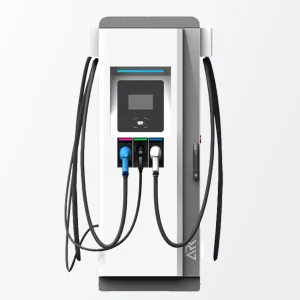
Explore our elite portfolio of high-efficiency charging systems, custom EV fast chargers, and smart energy regulators optimized for commercial and industrial deployment.
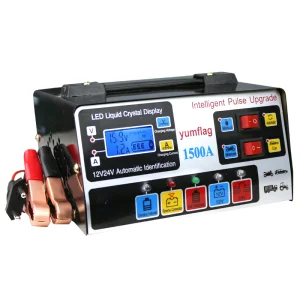
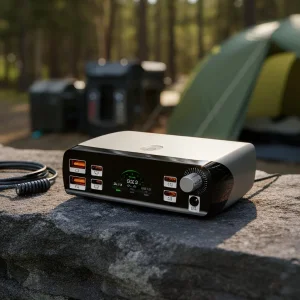
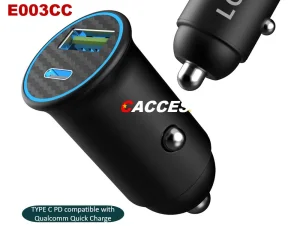
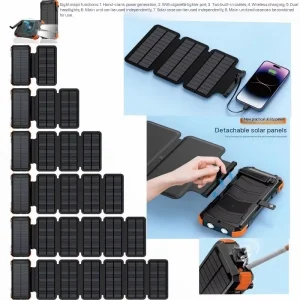
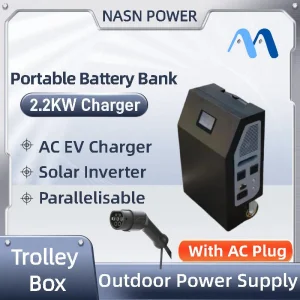
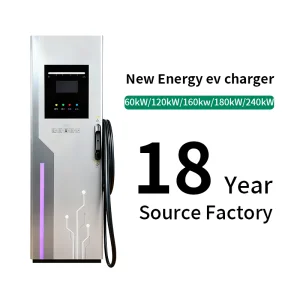
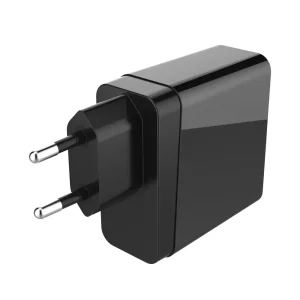
The global transition toward decentralized clean energy grids and electrified transportation has placed charge control hardware at the absolute center of technology sourcing. A charge controller is no longer a simple voltage regulator preventing batteries from overcharging. Modern controllers act as intelligent, telemetry-enabled power modulation centers that dictate the efficiency, longevity, and thermal characteristics of complete electrical storage systems.
Several key macro trends are shaping the procurement decisions of global enterprises, commercial infrastructure developers, and system integrators today:
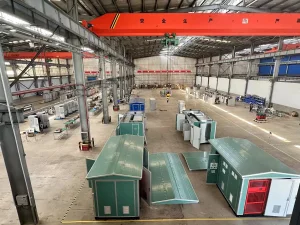
Established in 2011, Dongguan Caiku Electronic Technology Co. Ltd. has established itself as an industry-leading manufacturer specializing in high-performance power adapters, computer peripheral accessories, and high-efficiency smart charge controller technologies. Through strategic facility scaling and comprehensive technology upgrades, Caiku has developed into a mature, state-of-the-art enterprise delivering custom OEM & ODM solutions worldwide.
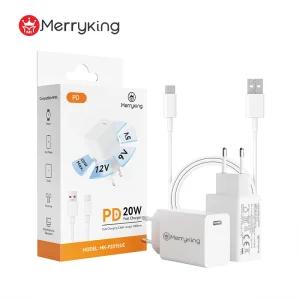
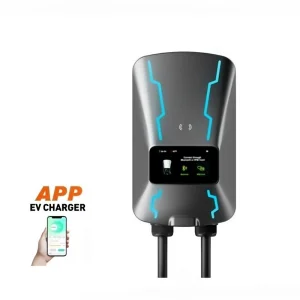
Our primary focus centers on in-depth optimization, independent research & development (R&D), technological innovation, and reducing the ecological footprint of power electronics. Backed by specialized assembly bases, our versatile capabilities span high-frequency GaN chargers, intelligent automotive charging systems, heavy-duty electric vehicle (EV) charging stations, and customized solar charge control systems.
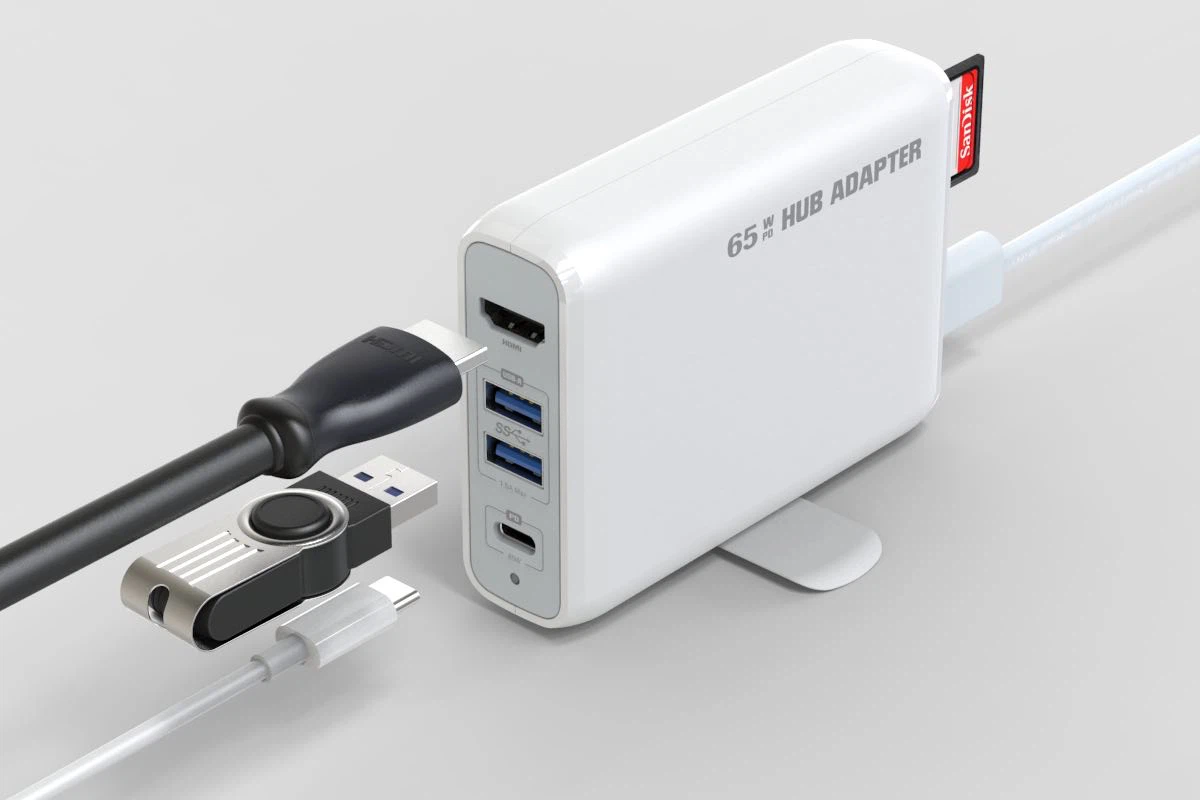

Caiku will be your reliable partner. Company promise high quality and excellent service.

We were awarded more than 20 patents in Europe, the US and China.

We have been successfully sell in more than 100 countries and regions all over the world as an international trademark.

We have a strong team for developing new products. We can develop 3 to 10 kinds of different new products in a month.
Modern electrical grids rely heavily on switching efficiency. Legacy systems relying exclusively on traditional silicon MOSFETs suffer from proportional switching losses as frequency requirements rise. This reality has driven manufacturers toward GaN (Gallium Nitride) and Super Silicon designs.
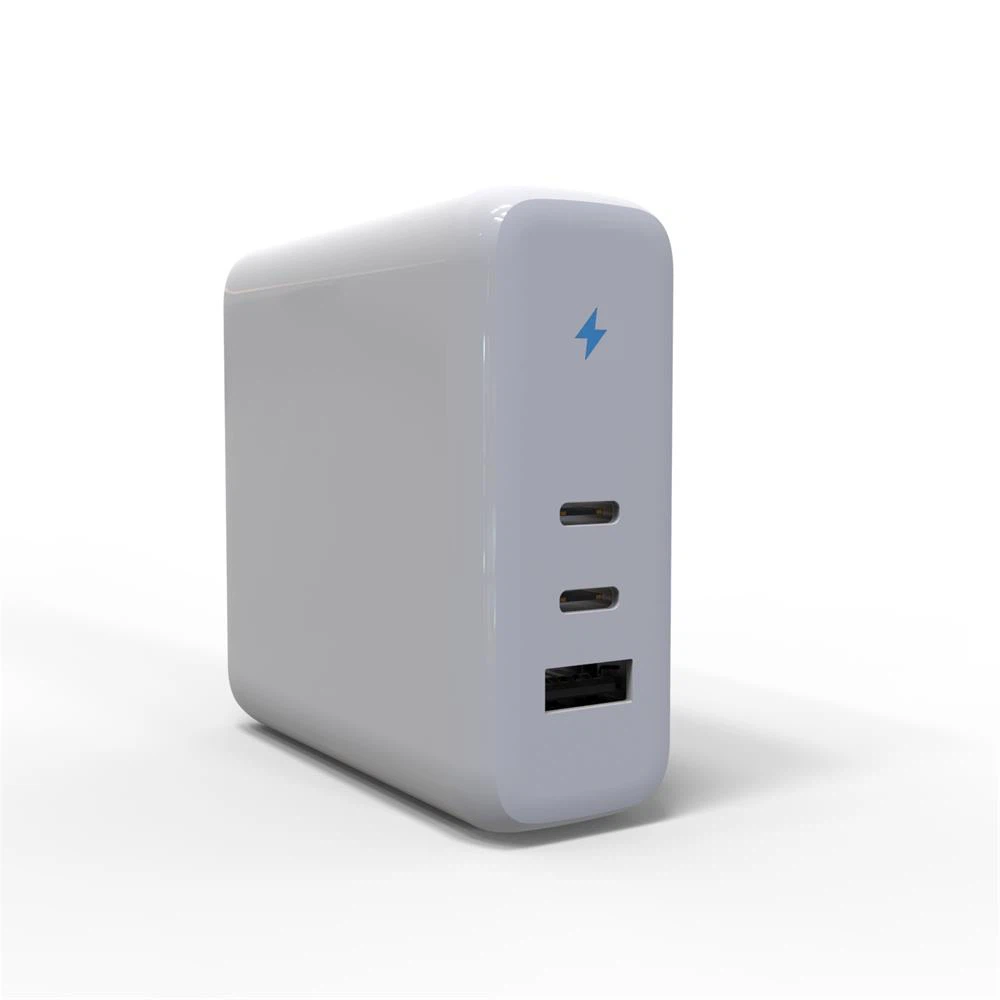
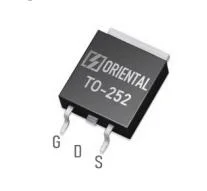
Components like the Oss65r340df To252 Super Si Mosfet serve as a benchmark in high-frequency power operations. Super Silicon combines the robust reliability of silicon with the switching dynamics of wide bandgap structures. By implementing these elements into solar charge controllers and industrial AC/DC converters, we achieve:
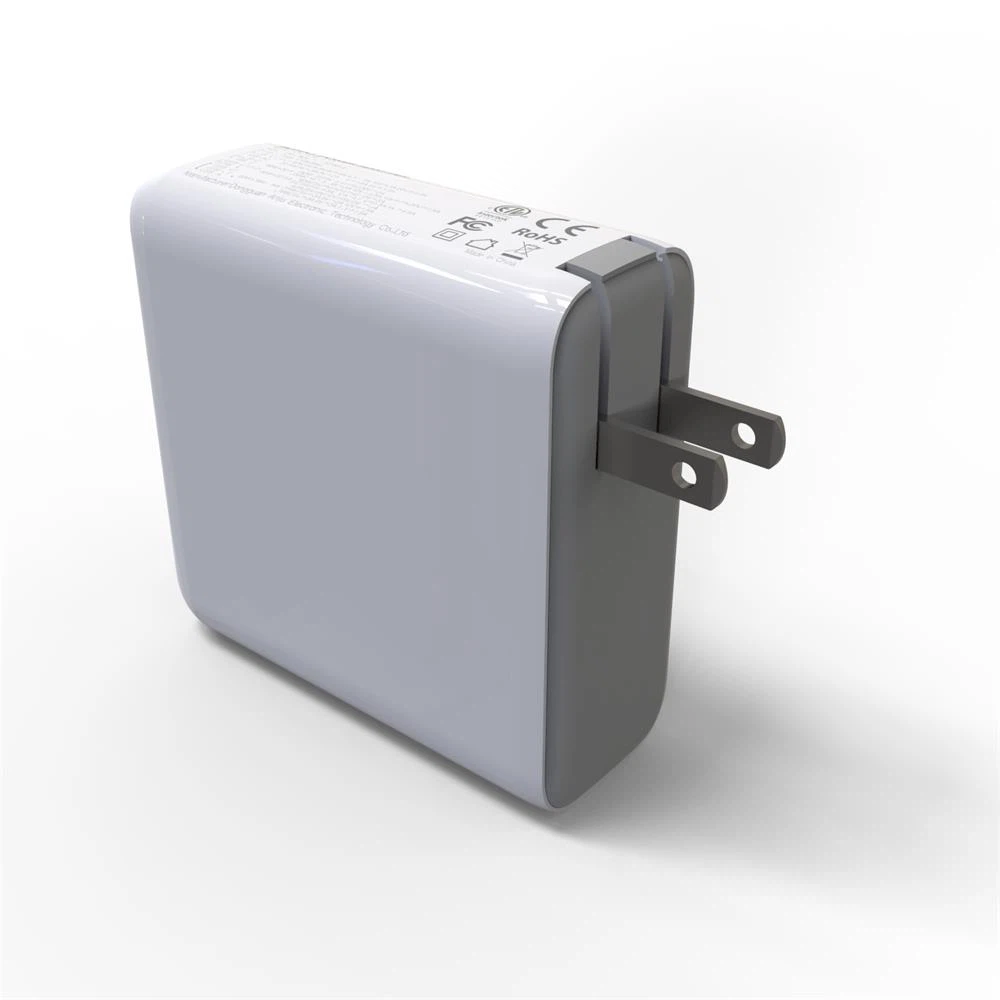
For micro-grid installations, solar arrays, and high-power commercial fleets, charge controllers serve as the protective interface. An unstable supply current can permanently damage expensive lithium battery packs. Our smart regulators maintain active safety protections through real-time communication protocols, preventing overvoltage, short-circuit loops, thermal runaway, and reverse polarity issues.
By using multi-port architecture and cascading controller configurations, modern installers can scale their systems to support massive loads. This modular approach is common in industrial EV charging depots, parallelizable outdoor power banks, and off-grid remote telecom substations.
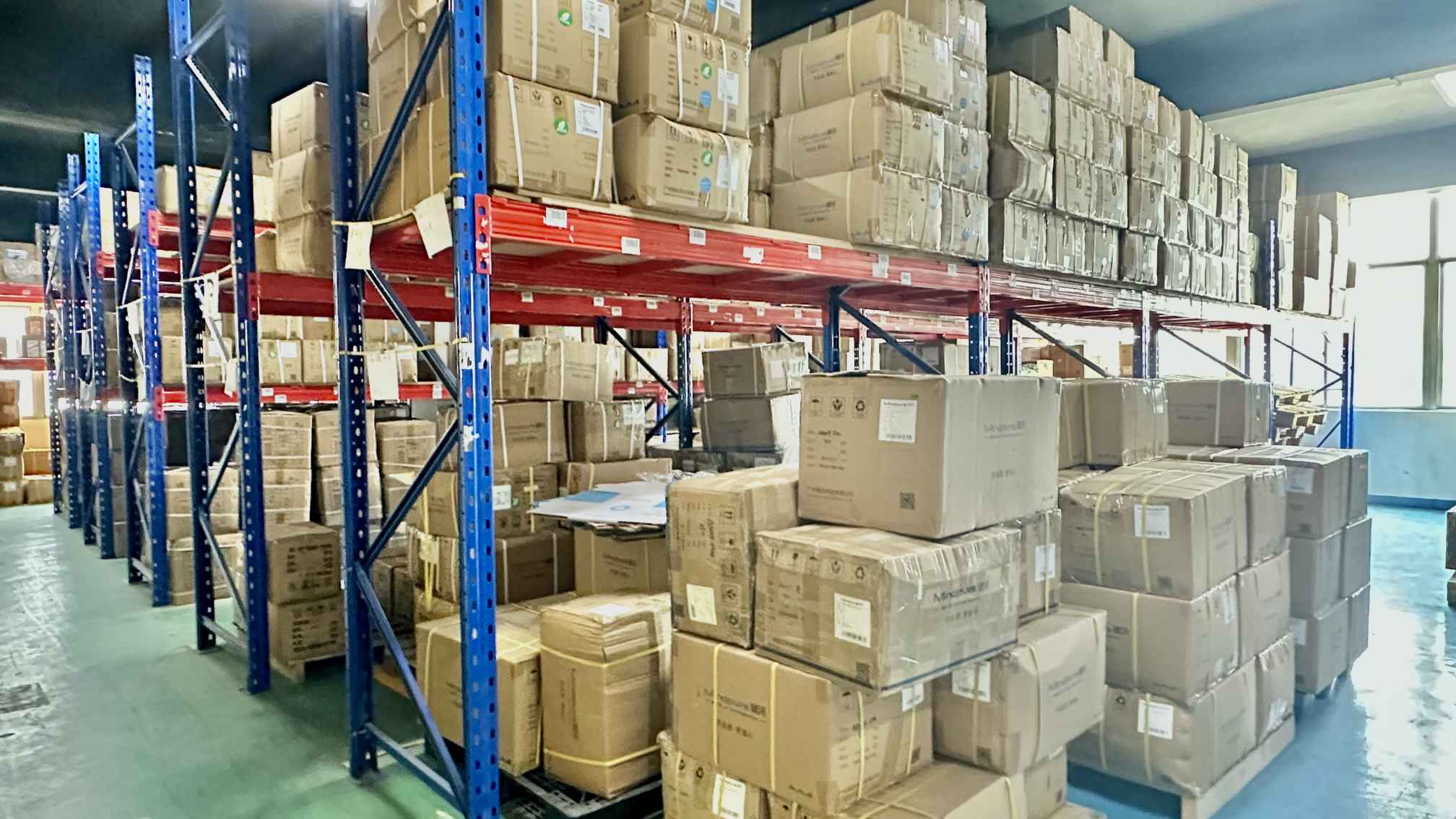
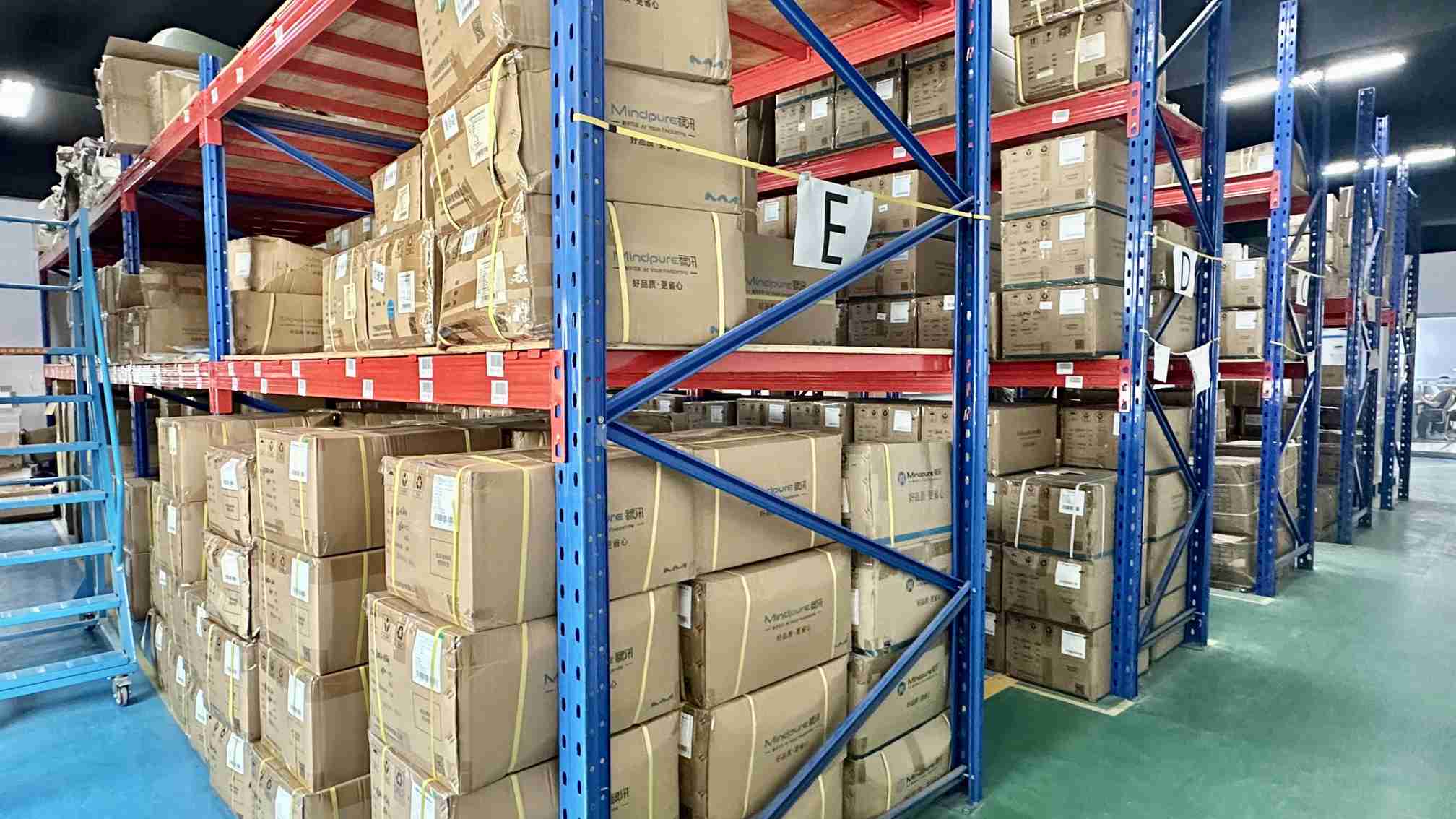
Every single product we ship undergoes a highly regulated manufacturing process and meticulous testing protocols. Explore our advanced facility processes and testing systems.

Functional Testing
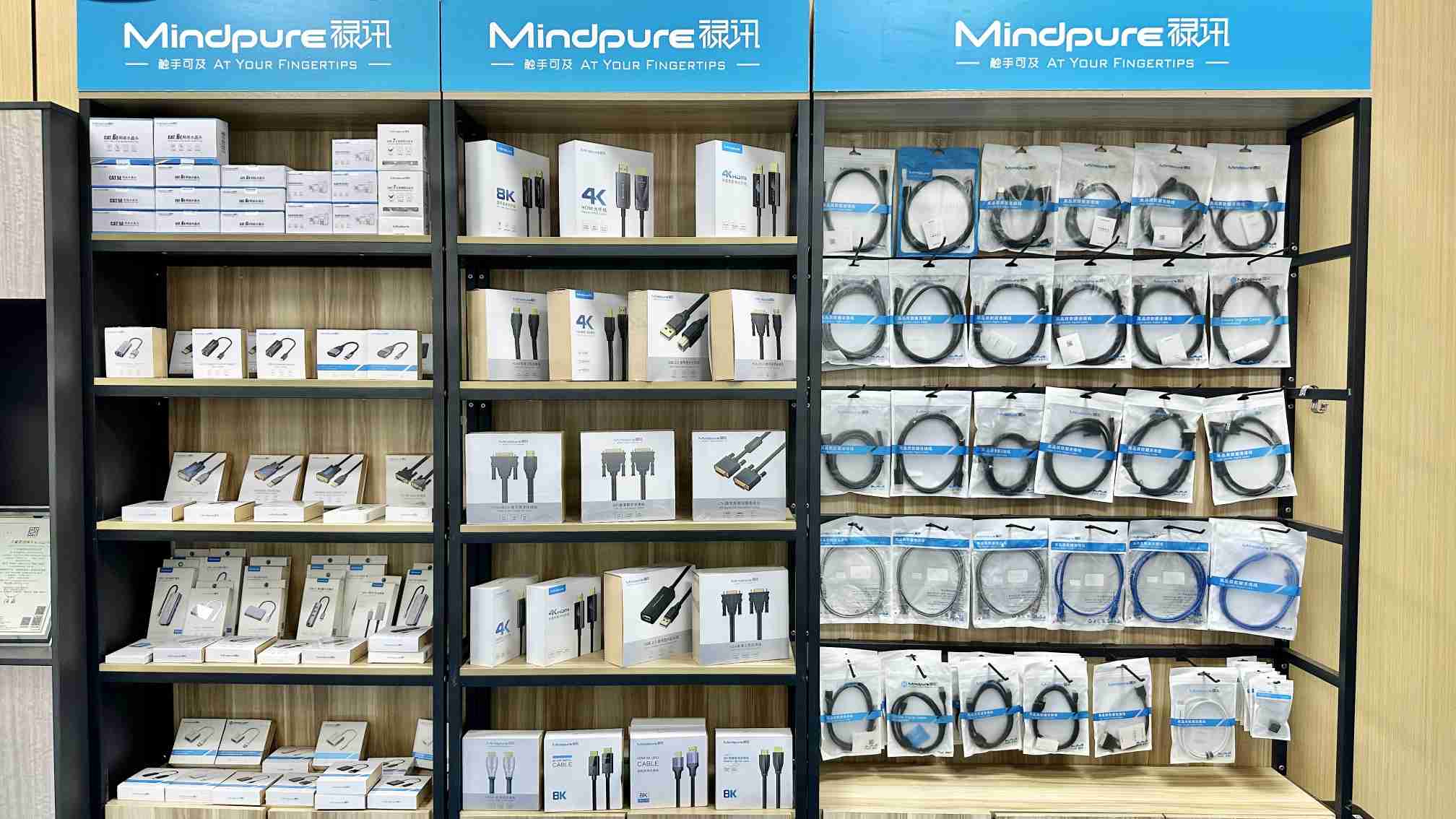
OQC Inspection
Universal Cable Tester
Network Analyzer
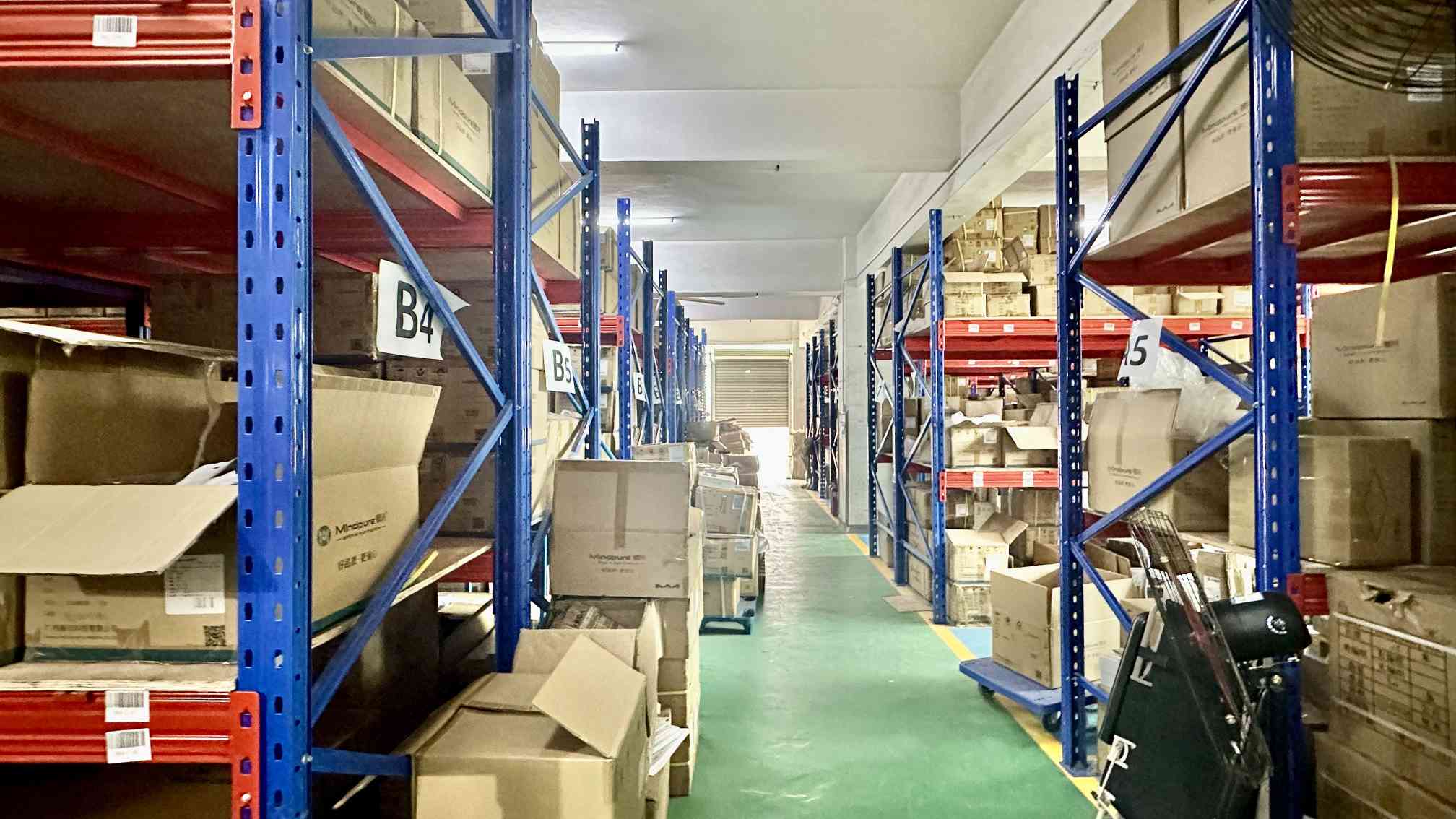
Raw Materials
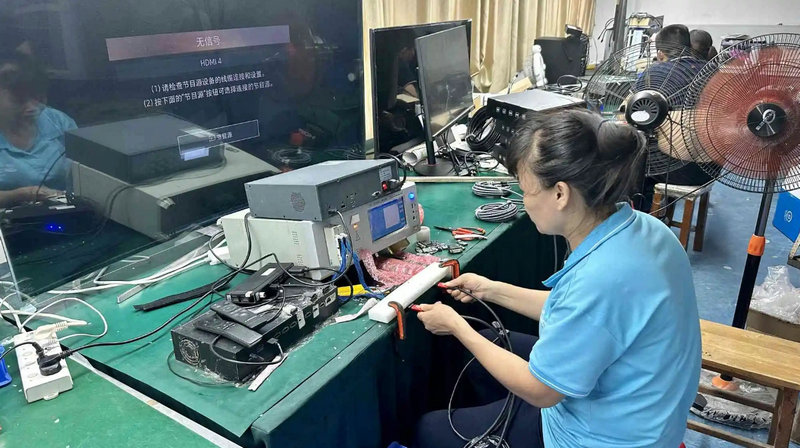
Testing Lab
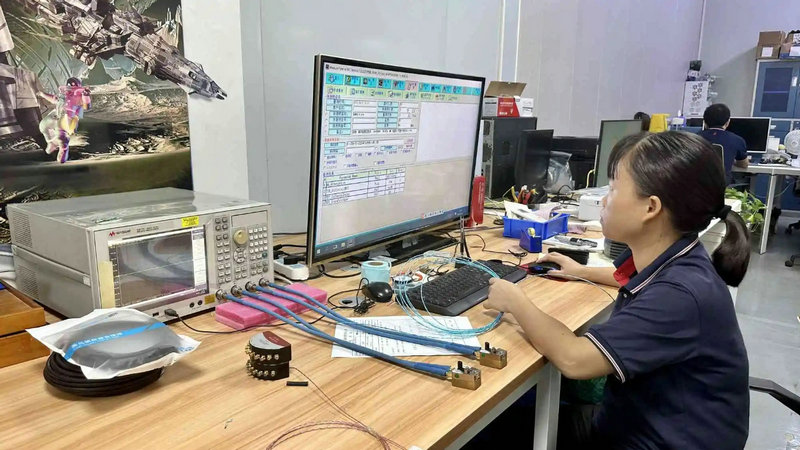
OQC Processing
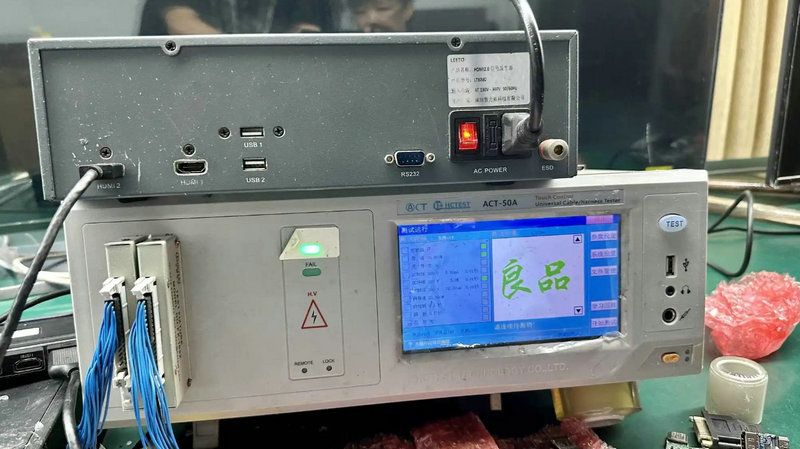
Cable Integrity Test
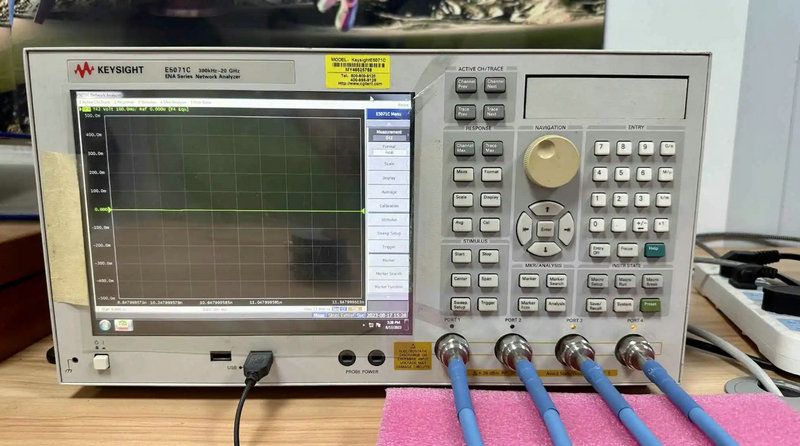
Signal Analyzer
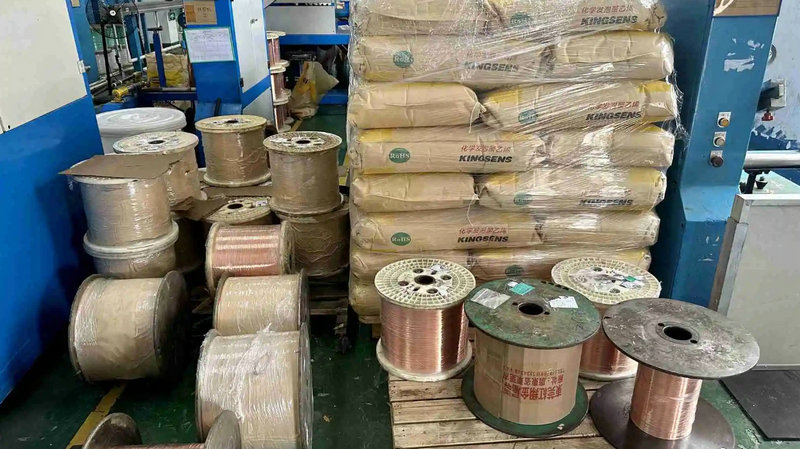
Material Prep
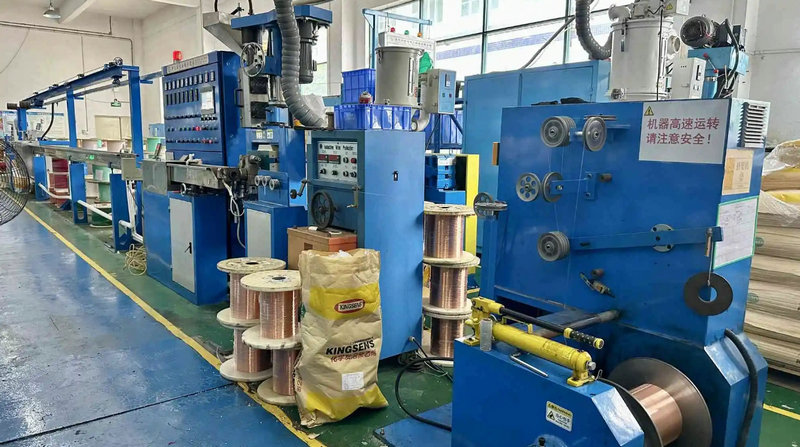
Extruding
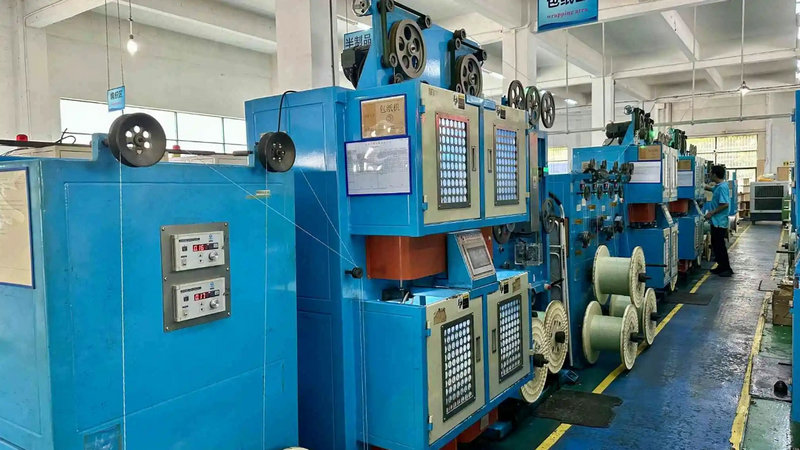
Covering
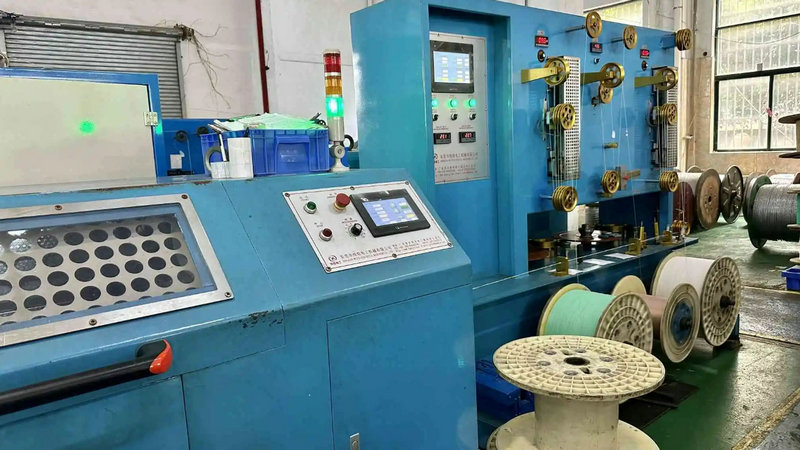
Stranding
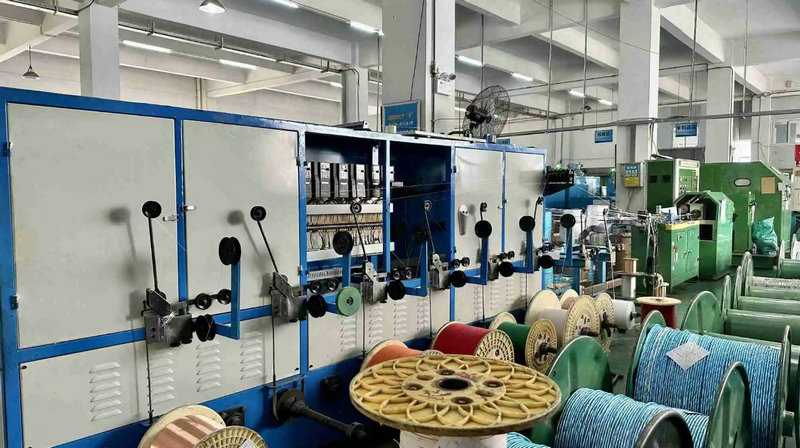
Cabling
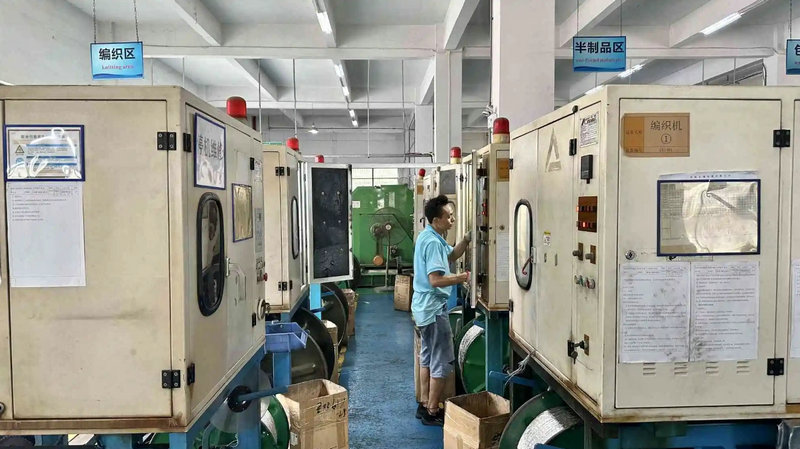
Braiding
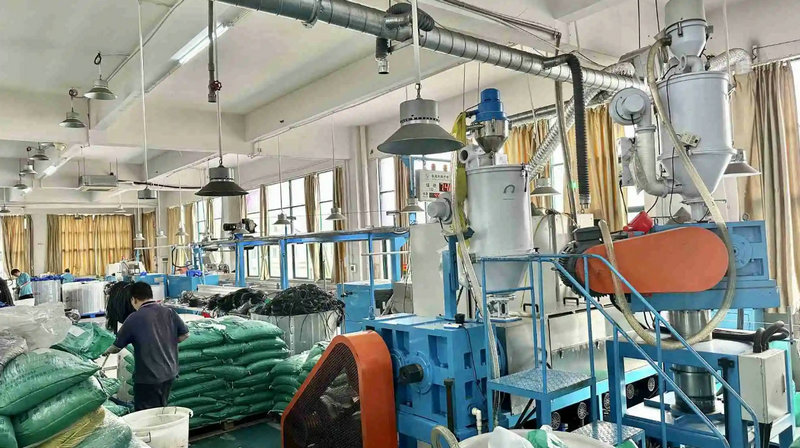
Cladding
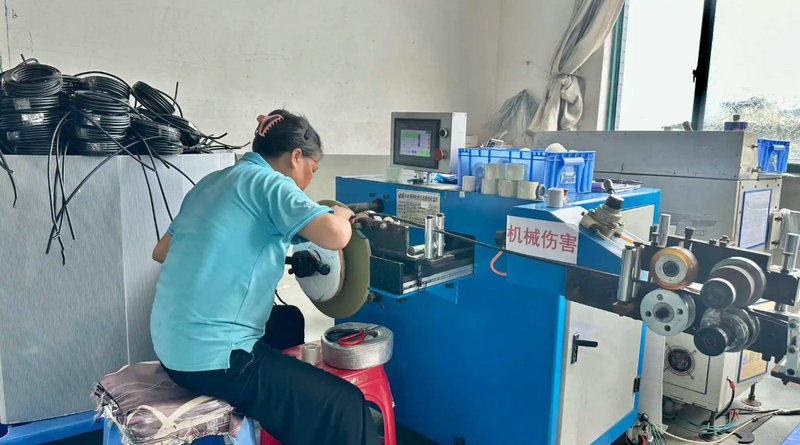
Winding
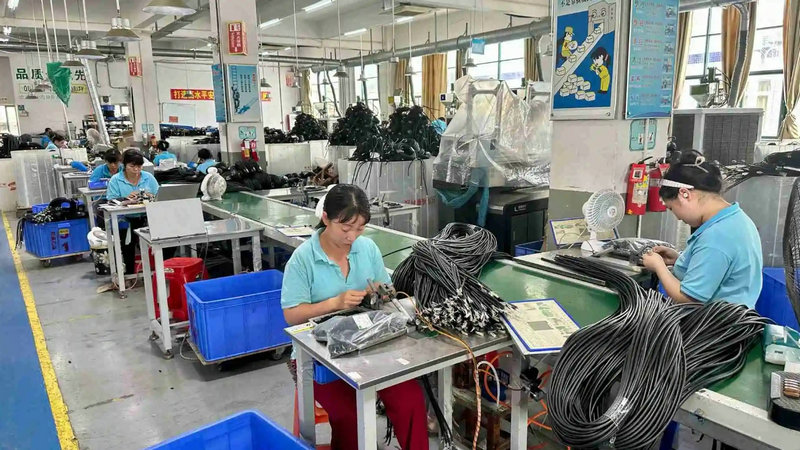
Connector Assembling
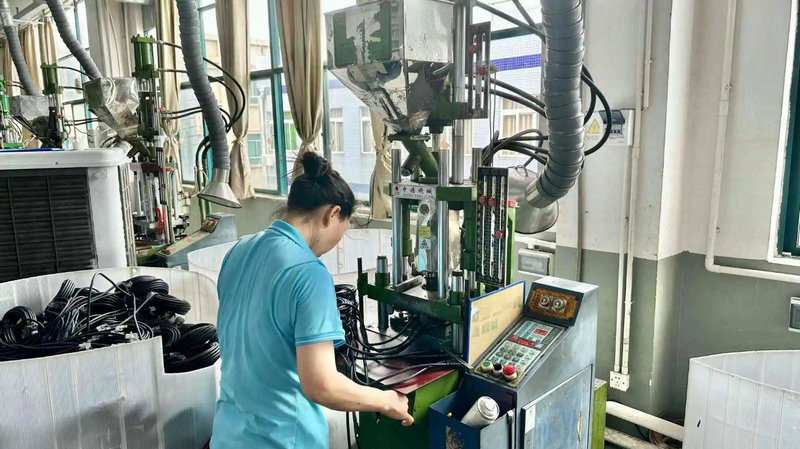
Injection Molding
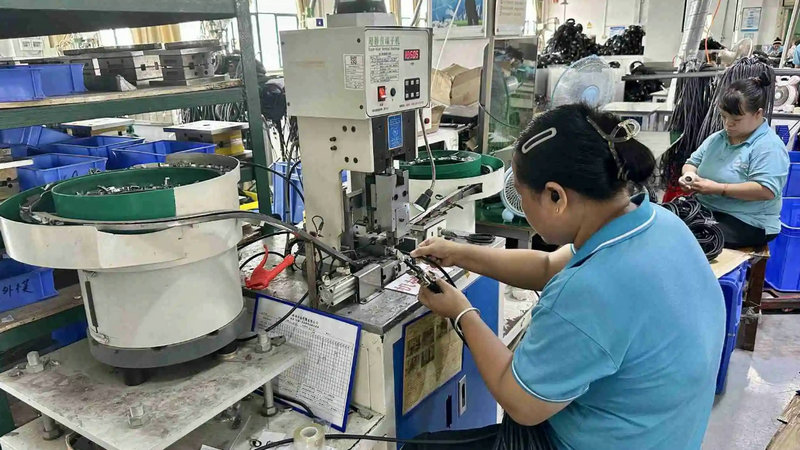
Strengthening
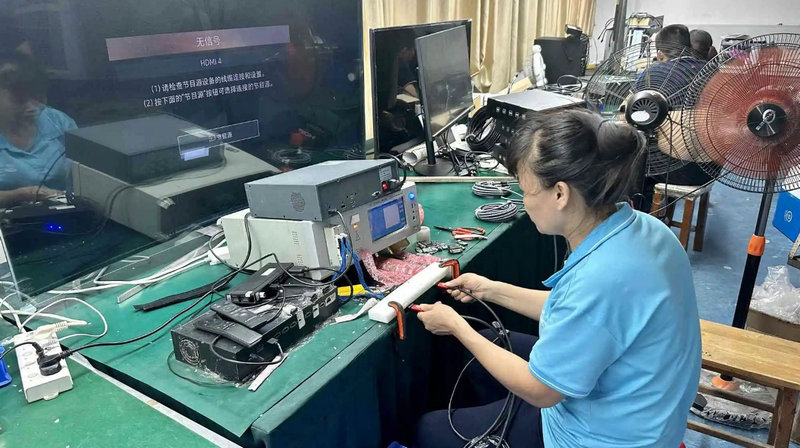
Testing

Packing
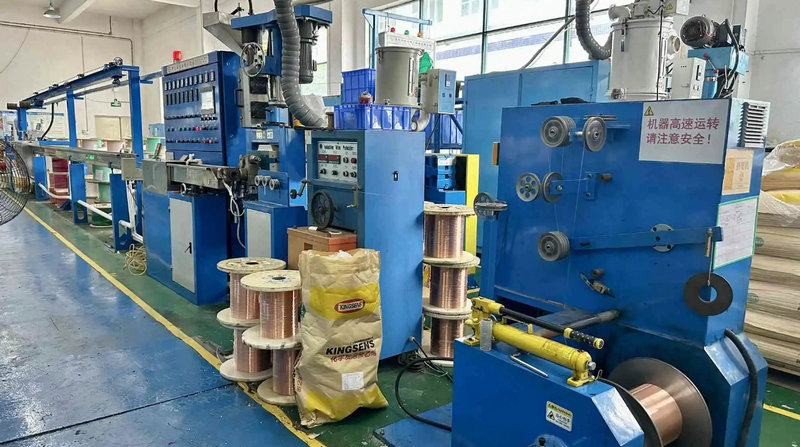
Extruding Machine
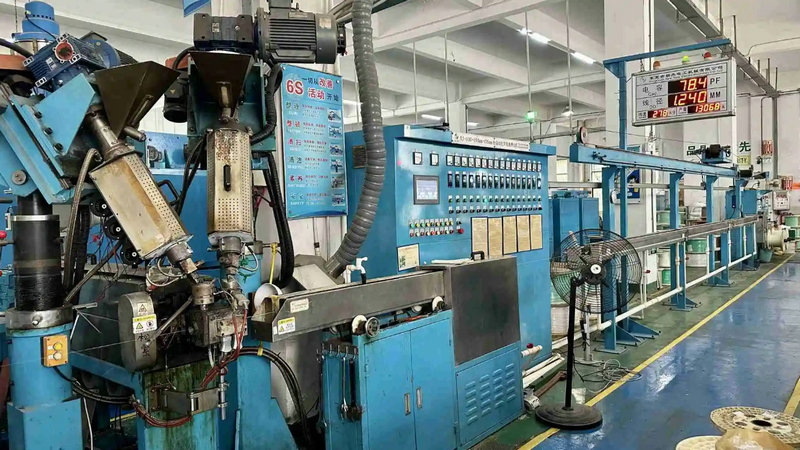
Foam Extruder
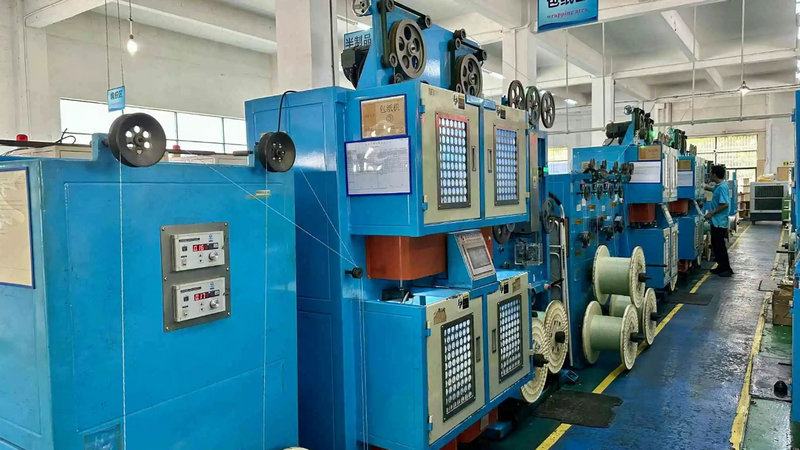
Covering Machine
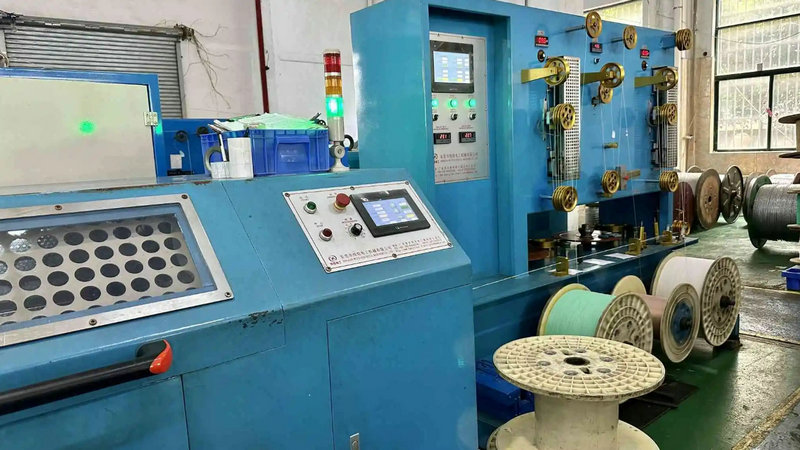
Stranding Machine
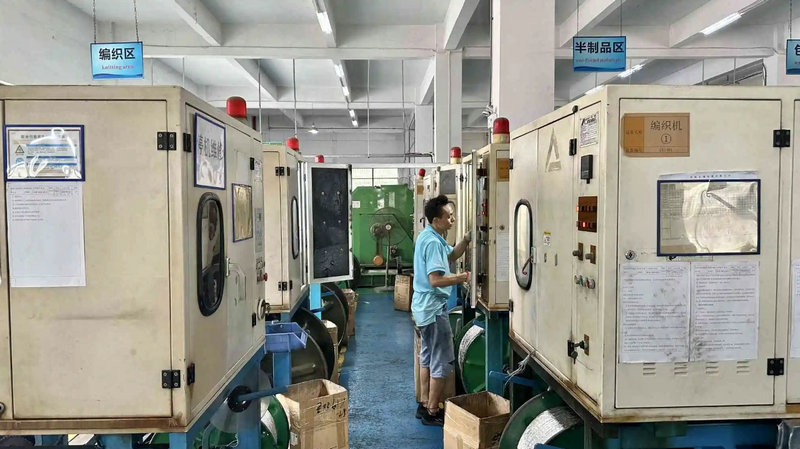
Cable Braider
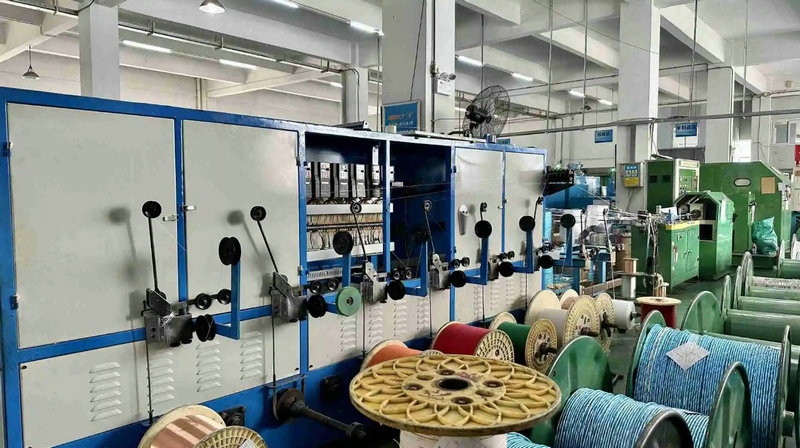
Cabling Machine
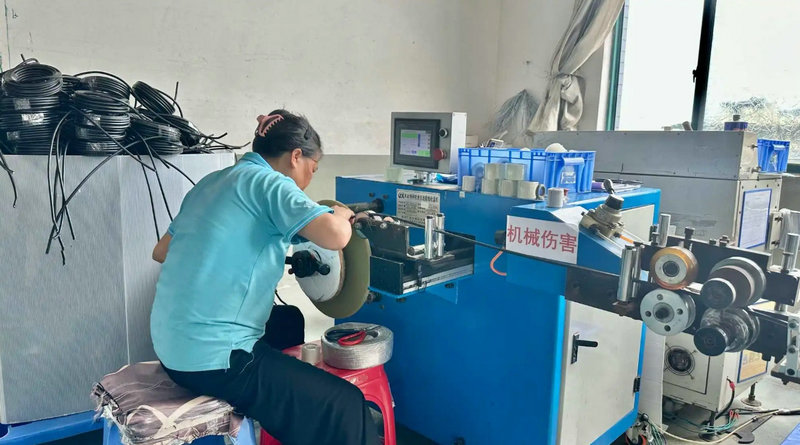
Winding Machine
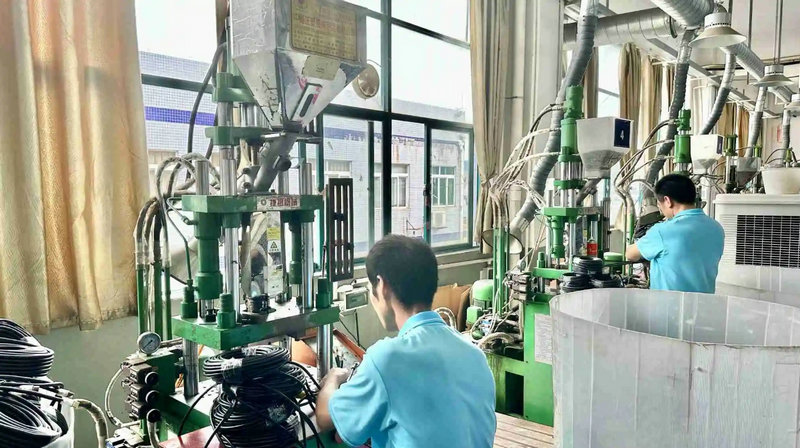
Molding Machine
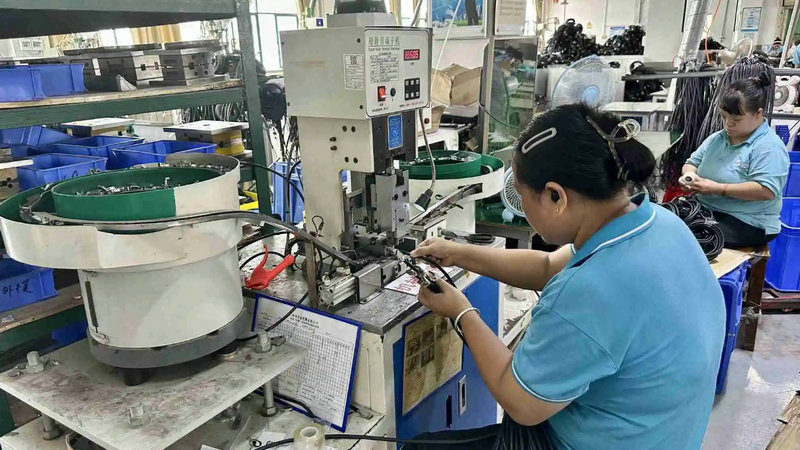
Terminal Crimper
In international trade, particularly in the European Economic Area (EEA), regulatory compliance is a key requirement. A **CE certification** signifies that a charge controller meets the stringent safety, health, and environmental protection requirements defined under European Directives.
The LVD ensures that electrical equipment within specific voltage limits provides a high level of protection for users. For charge controllers connected to battery banks (from 12V up to high-voltage EV battery banks), the design must completely isolate hazardous voltages, preventing accidental shocks or electrical fires due to component degradation.
High-frequency switching systems, particularly GaN-based fast chargers and MPPT controllers, generate electromagnetic waveforms. The EMC directive verifies that:
We strictly limit the use of hazardous substances (such as lead, mercury, cadmium, and hexavalent chromium) in all our power electronics. Using RoHS-compliant replacements like the Oss65r340df To252 Super Si Mosfet ensures that our hardware is safe for long-term deployment and aligned with green procurement requirements worldwide.
Procuring energy infrastructure hardware at scale demands high standards. Buyers must evaluate direct factories based on several parameters:
Caiku supports global buyers through this process by offering detailed documentation, direct access to engineering staff, and rapid prototyping capabilities (releasing 3 to 10 new products monthly).
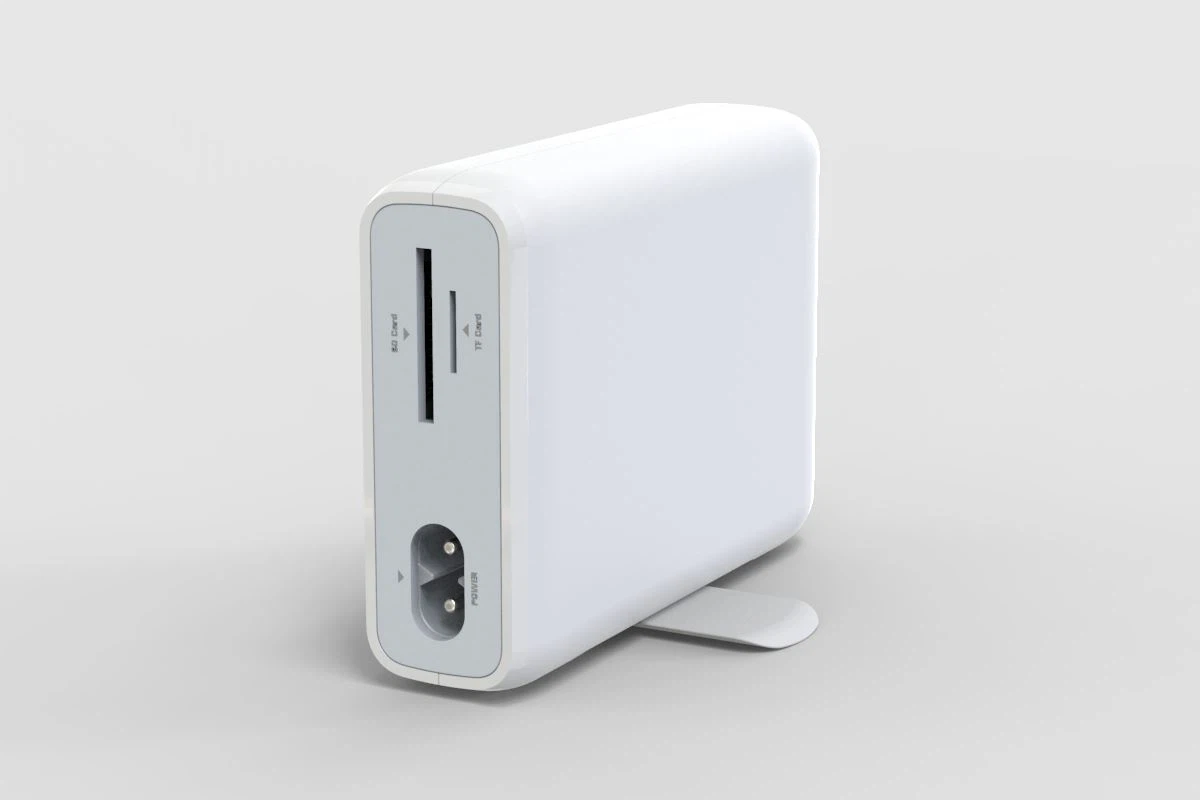
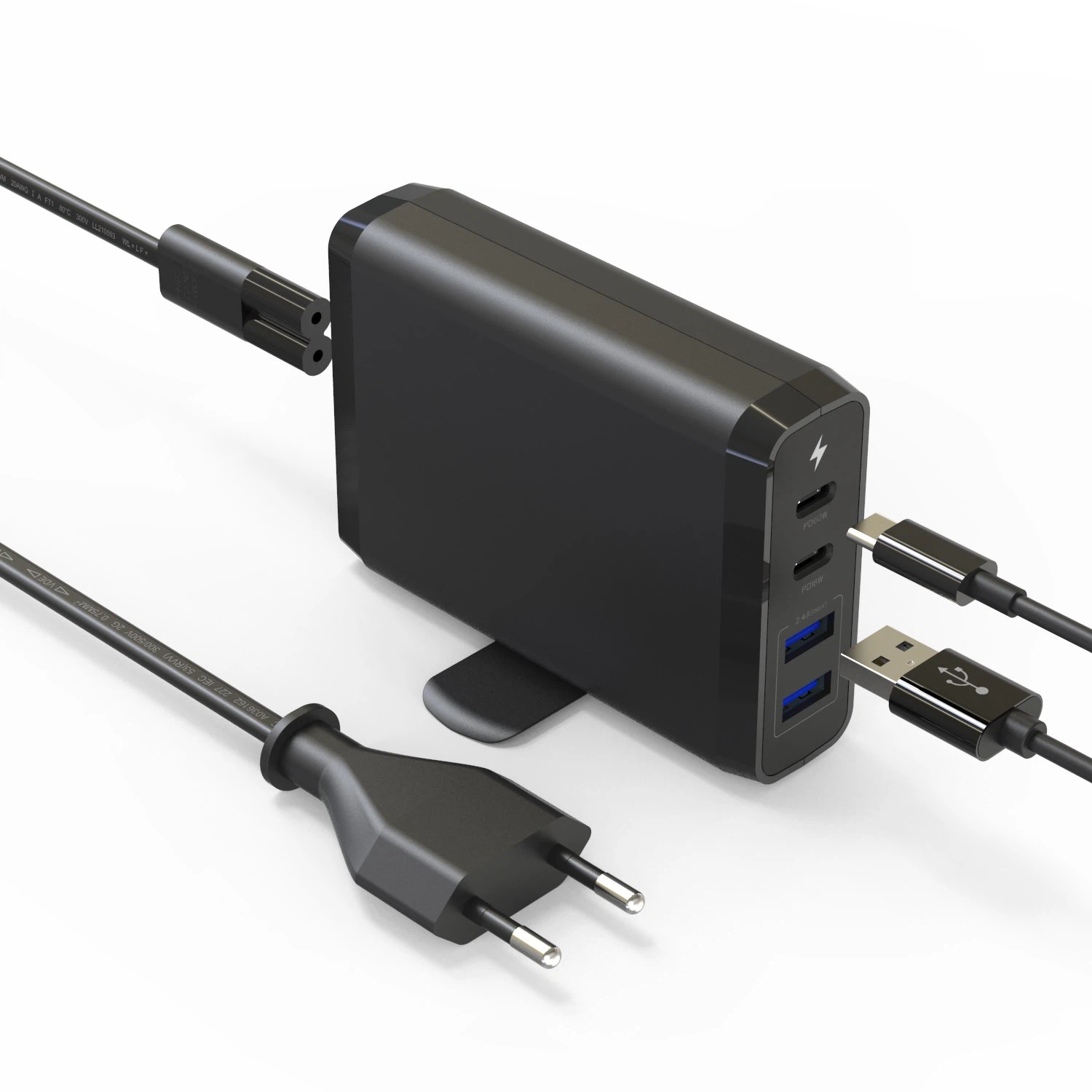
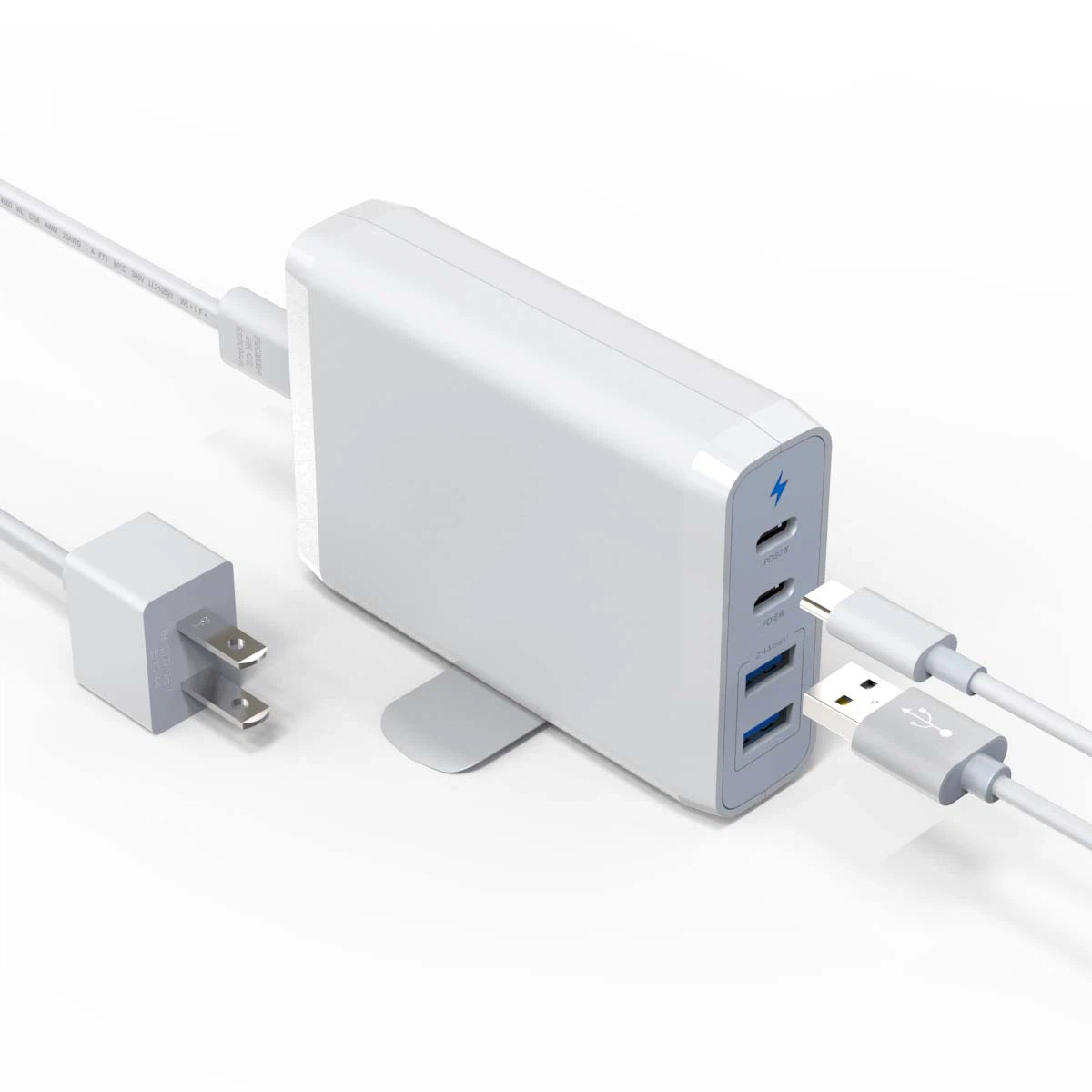
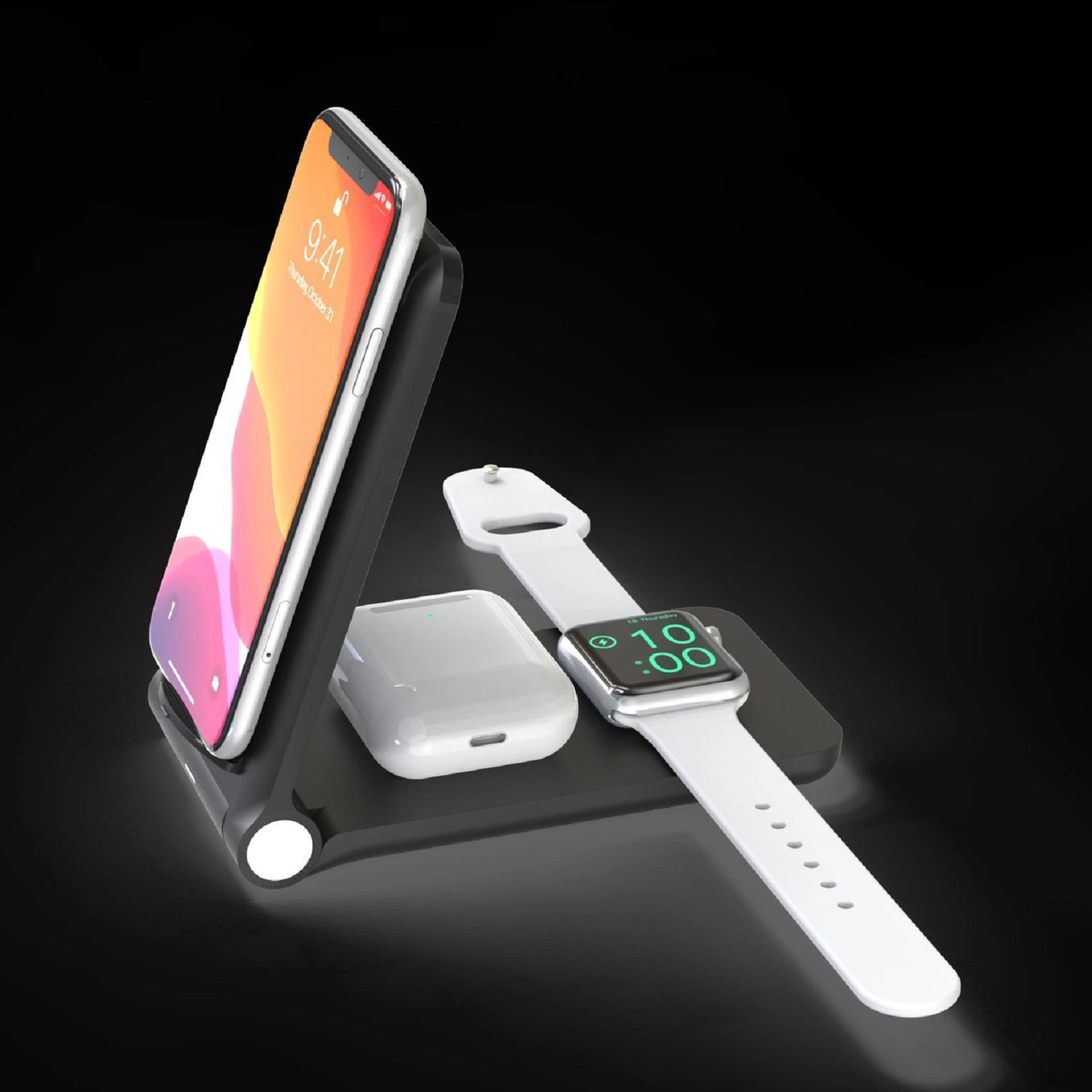
Find professional answers to common technical, manufacturing, and regulatory questions regarding charge controllers and power adapters.
CE certification ensures that the charge controller meets the safety (LVD) and electromagnetic compatibility (EMC) regulations in Europe. Without this certification, importation is illegal, and any grid-connected equipment will not pass safety inspections.
PWM (Pulse Width Modulation) controllers act as a direct switch connecting the solar panels to the battery bank, matching the panel voltage to that of the battery. MPPT (Maximum Power Point Tracking) controllers dynamically monitor and adjust voltage and current levels to extract the maximum possible wattage from the solar array, increasing charging efficiency by up to 30%.
GaN chargers use Gallium Nitride components, which conduct electricity much faster and support higher voltages than silicon. This allows for significantly faster switching speeds, less energy lost as heat, and smaller, lighter physical sizes for high-output power adapters (like 265W desktop stations).
Yes. Through our ODM/OEM services, we customize charge controllers and chargers with specific bulk, absorption, and float voltage parameters tailored to LiFePO4, Lead-Acid, Gel, or LTO batteries, ensuring optimal performance and protection.
We use a strict testing process, including Raw Materials Inspection, Universal Cable Testing, Network Analysis, Outgoing Quality Control (OQC), and functional load tests, ensuring that all products meet global reliability standards.
From portable monocrystalline solar chargers to industrial-grade DC fast charging piles, discover how our CE-certified systems power your clean energy transition.
 Caiku Electronic