Direct from top-tier certified facilities utilizing high-efficiency power management architectures
An in-depth analysis of environmental standards, regulatory dynamics, and OEM production capabilities in eco-friendly power electronics.
As corporations align operations with strict Net-Zero targets, hardware procurement departments are redefining supplier requirements. Charging hardware, long treated as a simple commodity, is now heavily audited for life-cycle carbon footprint, raw material toxicity, and energy efficiency ratings.
Selecting a qualified eco-friendly charger factory goes beyond verifying recycled plastic housings. It requires auditing the factory's dynamic thermal designs, active power management chipsets (such as Gallium Nitride / GaN), and compliance with international standards including RoHS, REACH, and Energy Star VI.
This industry whitepaper explores the technological paradigms driving green power production, evaluates the capabilities of leading manufacturers, and outlines the structural advantages of China's advanced manufacturing hubs.
An established leader in high-performance power adapters, smart charging accessories, and custom OEM/ODM services.
Established in 2011, Dongguan Caiku Electronic Technology Co. Ltd. has implemented two major management and strategic upgrades to scale into a highly optimized, professional manufacturing enterprise. Headquartered in the manufacturing hub of Dongguan, China, Caiku integrates independent research and development with sustainable design principles.
The company's core focus lies in the deep cultivation of electronic products, technical innovation, and reducing the environmental footprint of consumer electronics accessories. By operating multiple manufacturing assembly bases, Caiku delivers global market readiness for high-demand consumer and industrial products.
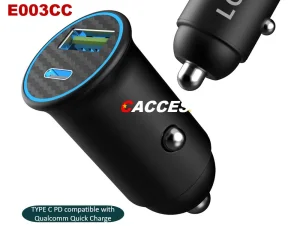
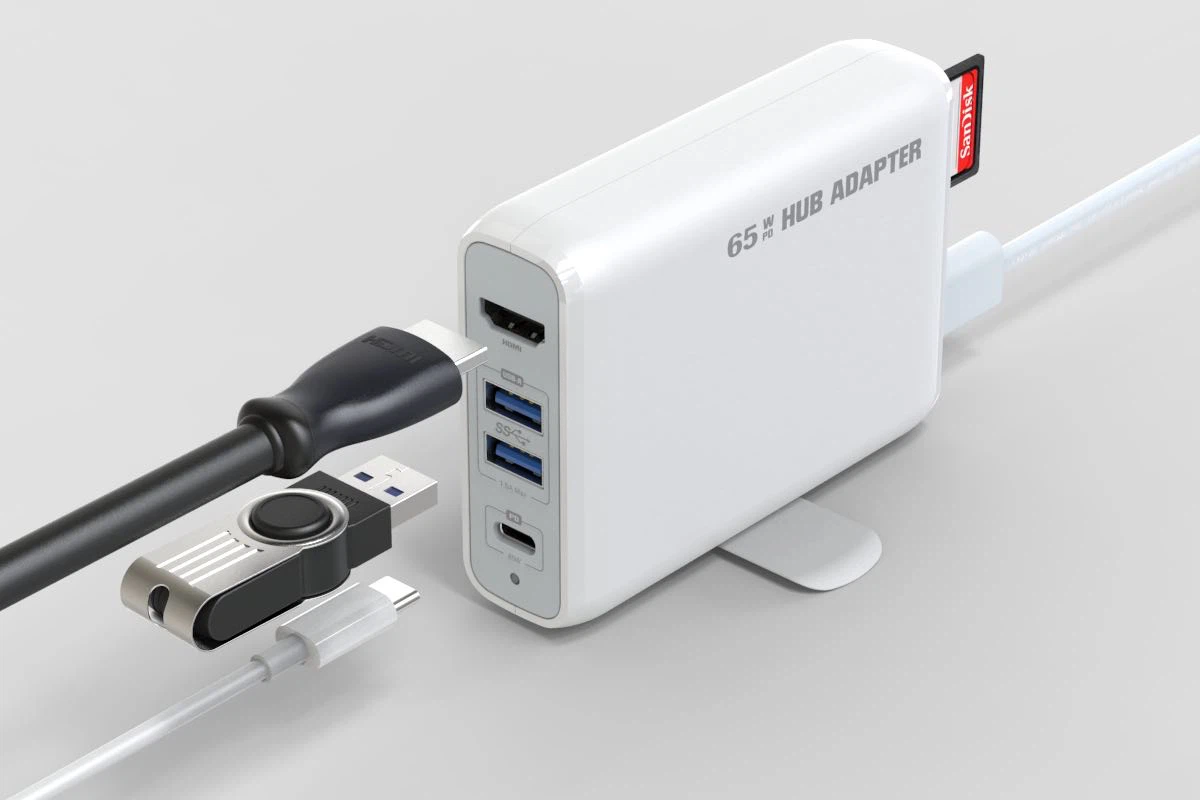
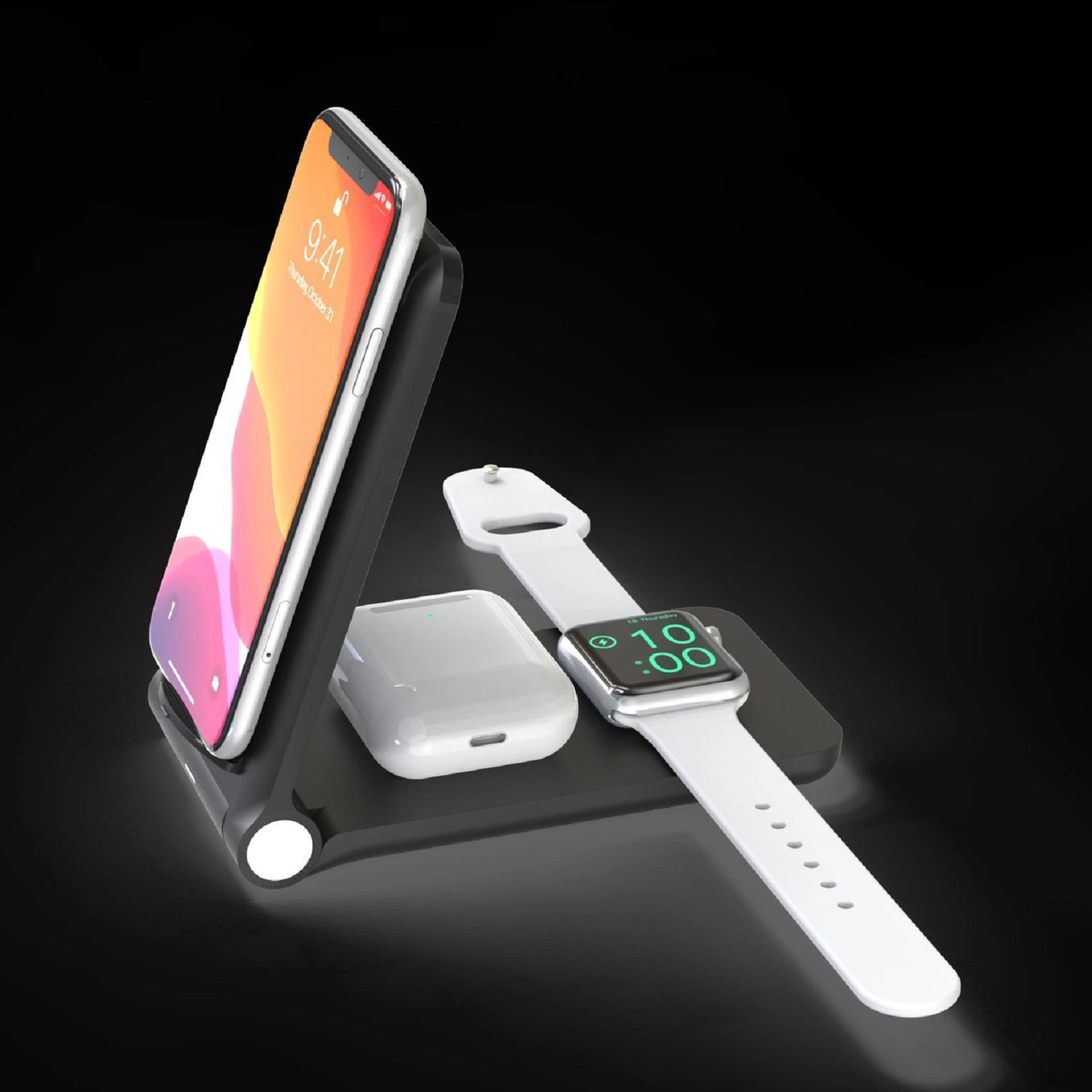
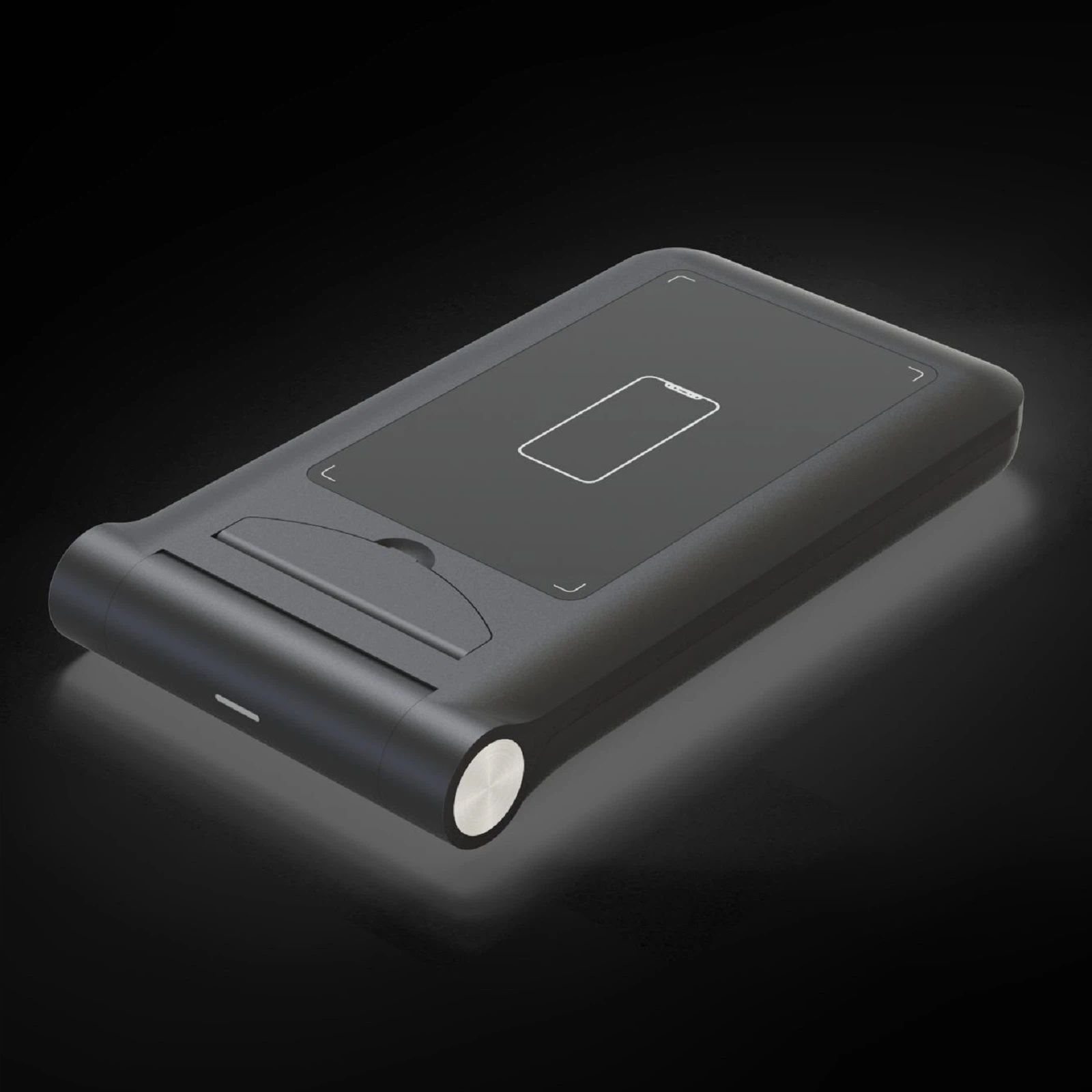
USB power delivery (PD) chargers, high-frequency Gallium Nitride (GaN) devices, intelligent car chargers, multi-device wireless chargers, high-current power adapters, and custom OEM/ODM solutions tailored for global brands.

We build long-term relationships through strict adherence to specifications and quality standards.

Awarded over 20 proprietary design and technical patents across Europe, the US, and China.

Successfully registered and distributed as an international trademark in over 100 countries.

Strong R&D capabilities, consistently developing 3 to 10 unique product designs per month.
Innovative technology integrations transforming power supply efficiency and sustainability.
GaN technology replaces traditional silicon components, enabling higher switching frequencies and lowering dynamic energy loss. Because GaN chips generate less heat, chargers require smaller passive heat sinks, allowing for ultra-compact casings that reduce raw plastic use.
Super Si MOSFETs offer a cost-effective alternative to GaN while maintaining excellent thermal performance under high-frequency operation. This enables factories to produce slim, lightweight chargers that lower transportation weight, fuel consumption, and overall logistical carbon footprints.
Future roadmaps focus on replacing petroleum-based ABS/PC plastics with Post-Consumer Recycled (PCR) resins and bio-based plastics. Combined with screwless, click-fit structural designs, these materials facilitate easier end-of-life disassembly and recycling.
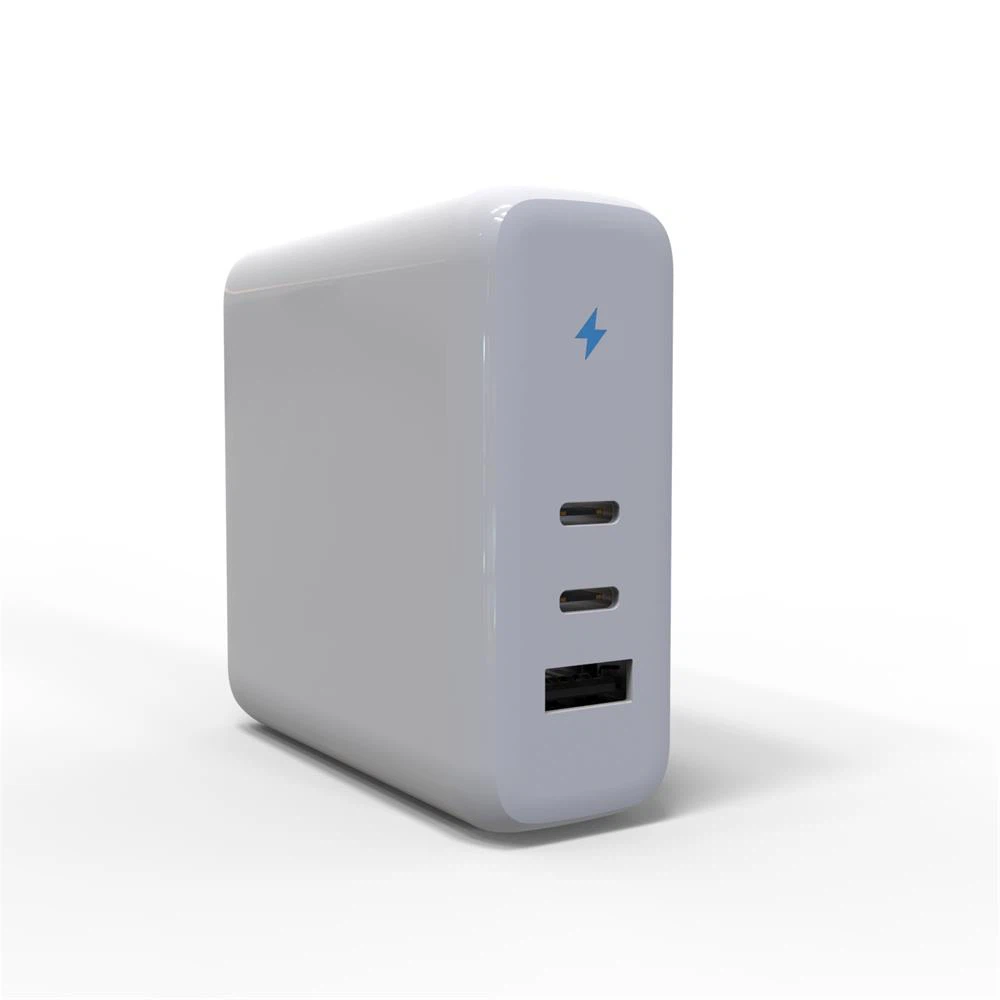
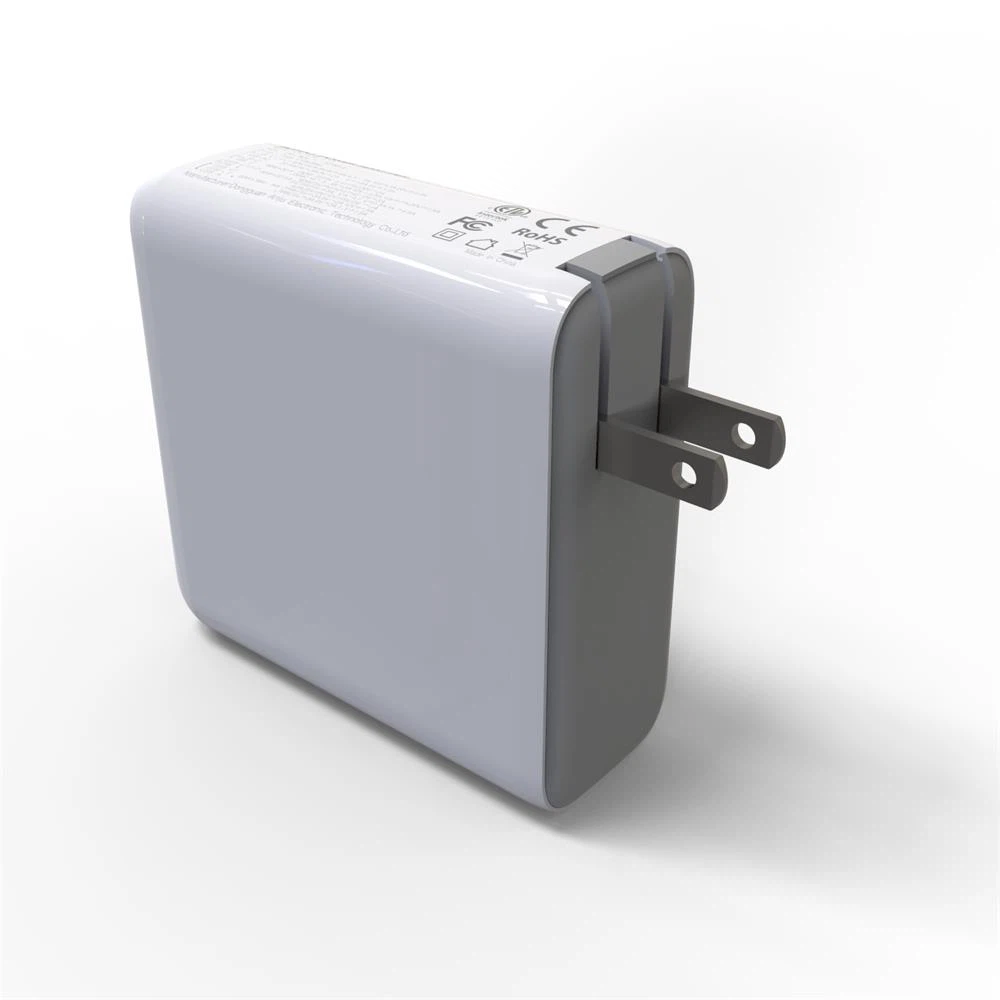
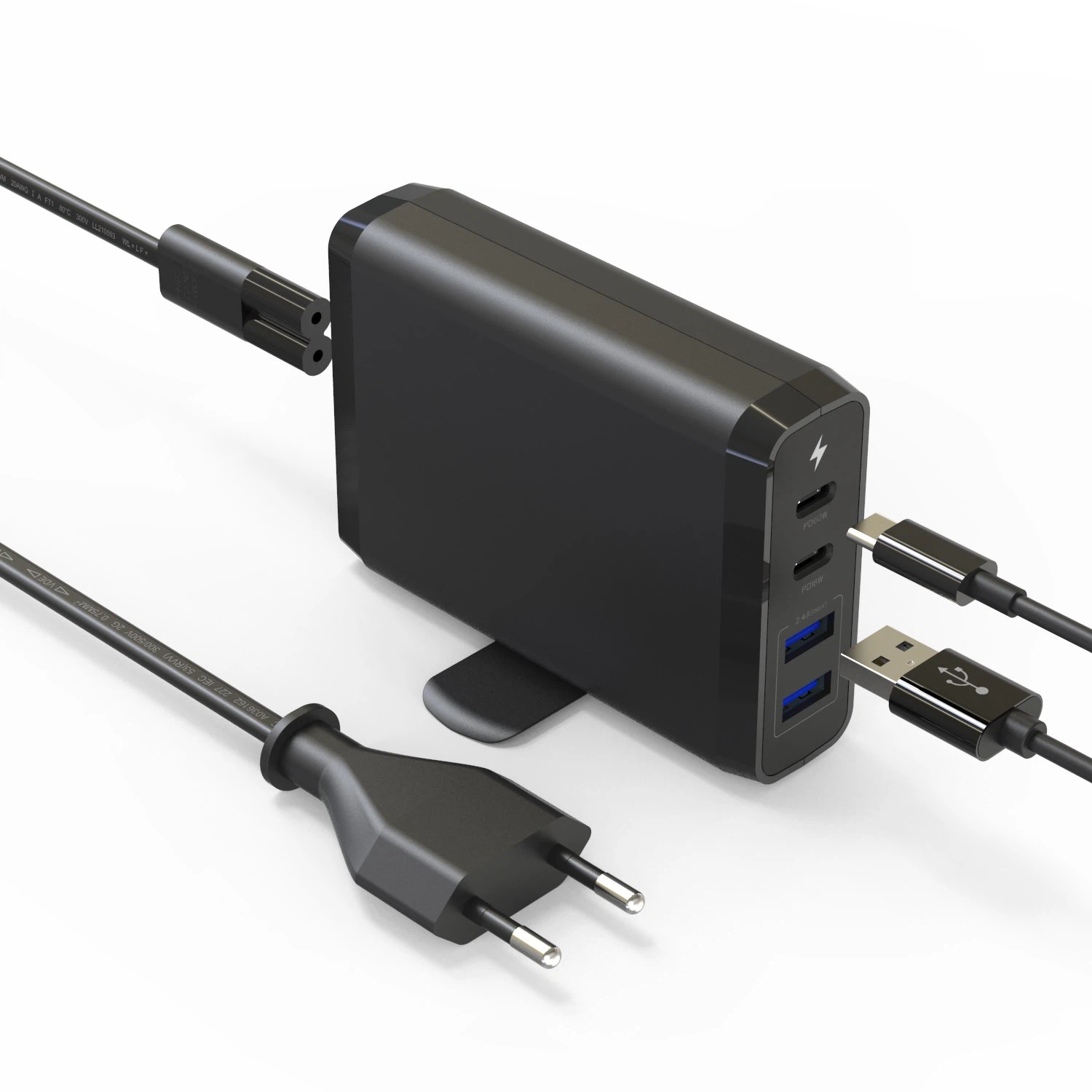
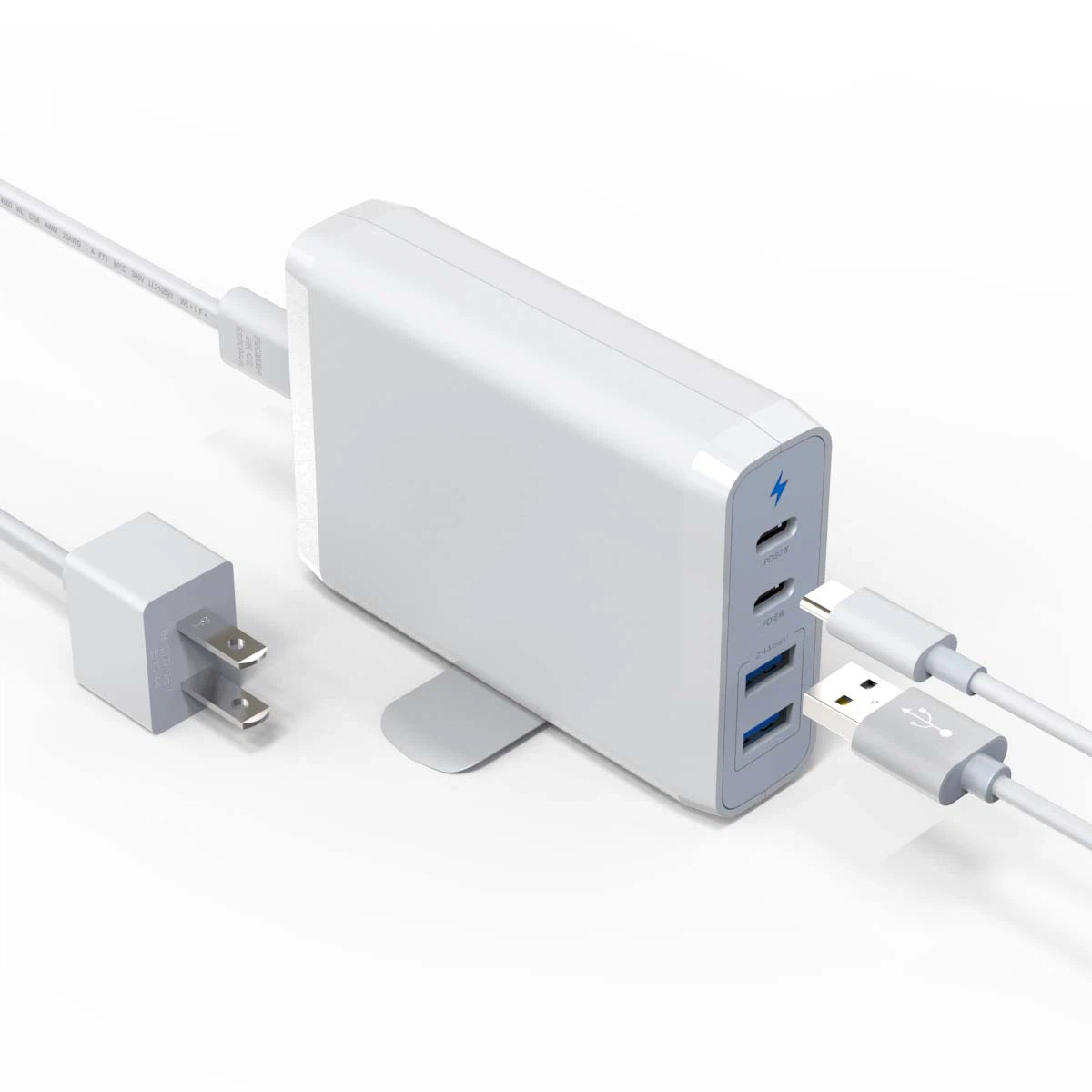
Comprehensive environmental charging solutions designed to meet the demands of global industries.
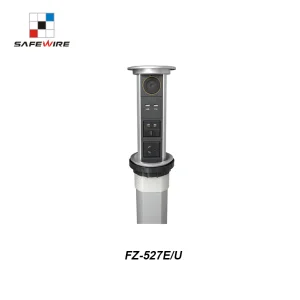
Modern offices require integrated charging hubs to optimize space and minimize cabling. Safewire pop-up floor/desk boxes combine AC outlets with USB ports and Bluetooth connectivity. These setups are controlled by intelligent auto-shutoff relays that eliminate standby power consumption.
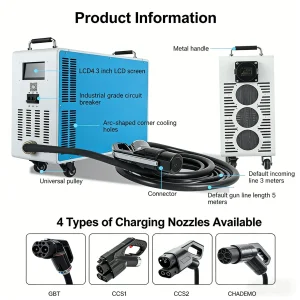
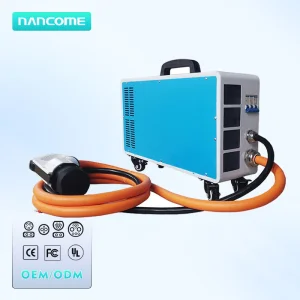
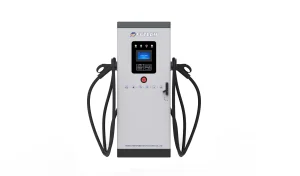
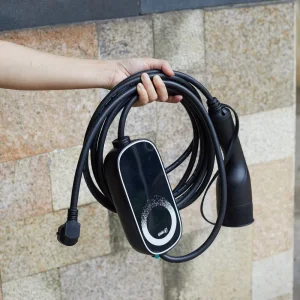
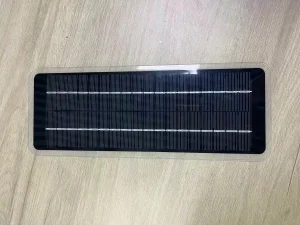
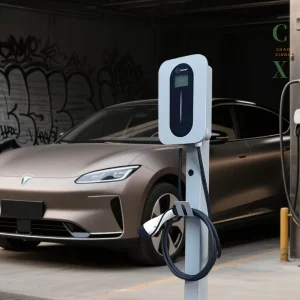
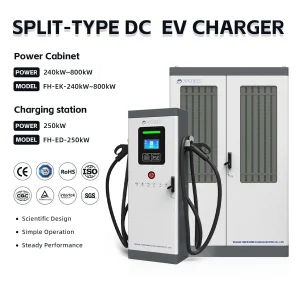
As electric vehicles scale globally, charging networks require high-efficiency DC fast chargers, mobile charging stations, and smart solar-assisted units. These charging networks run on dynamic load balancing algorithms that adjust power delivery based on grid capacity to optimize efficiency.
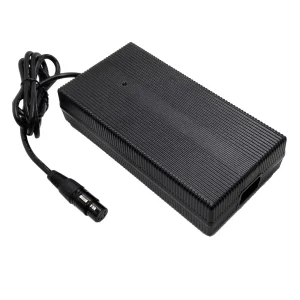
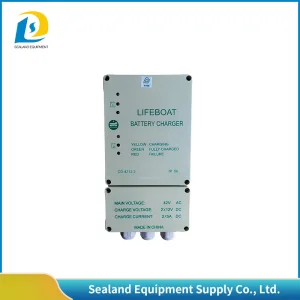
Extreme environments demand ruggedized charging systems, such as specialized lifeboat chargers and heavy-duty, fanless industrial power adapters. Engineered for maximum thermal dissipation without open ventilation, these devices operate reliably in high-salinity and high-humidity conditions.
Electric bikes and scooters require intelligent charging systems to protect battery health and prevent thermal runaway. Using fanless, high-efficiency, multi-stage CC/CV charging algorithms, these systems extend battery life, reduce grid strain, and minimize electronic waste.
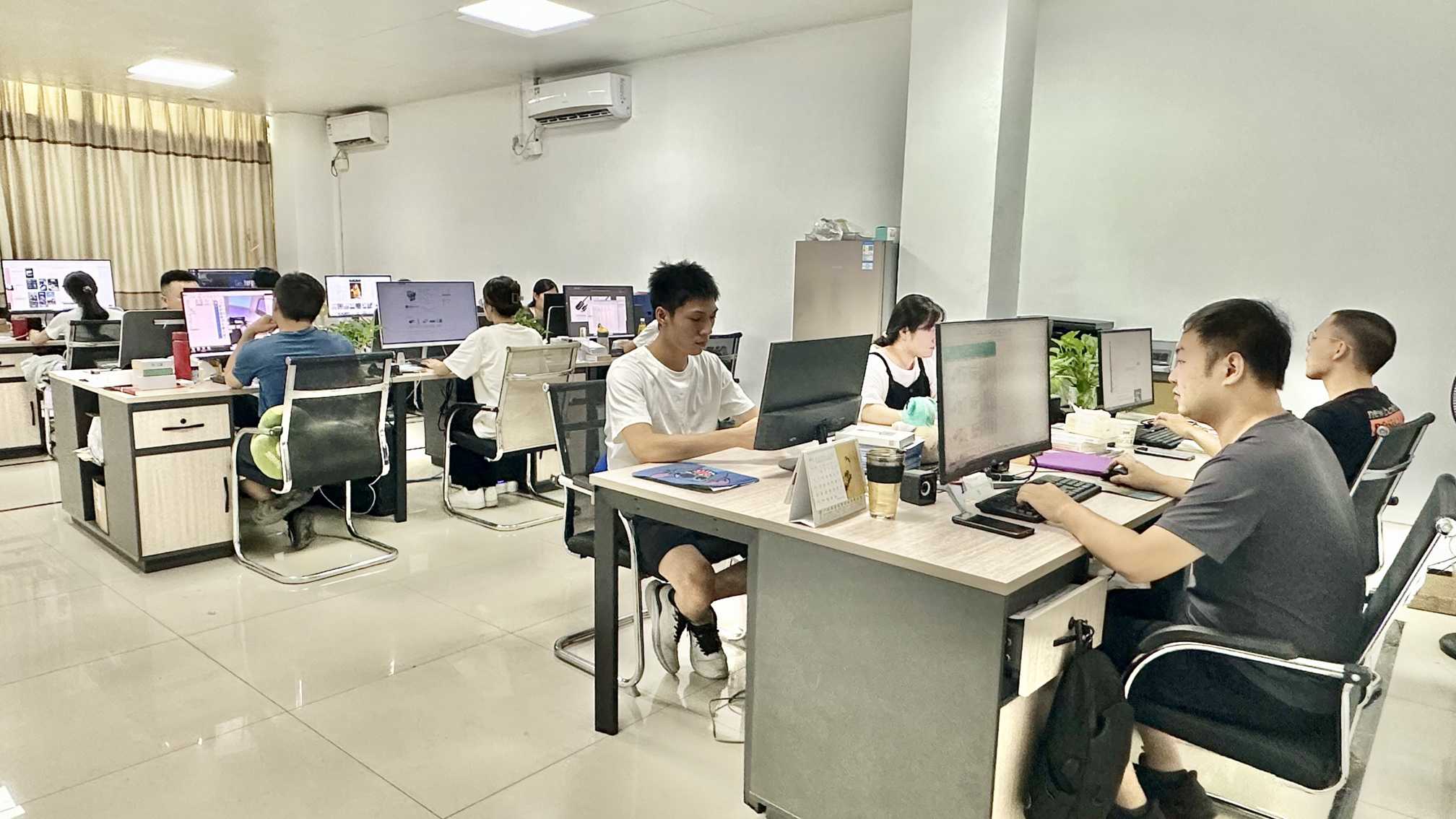
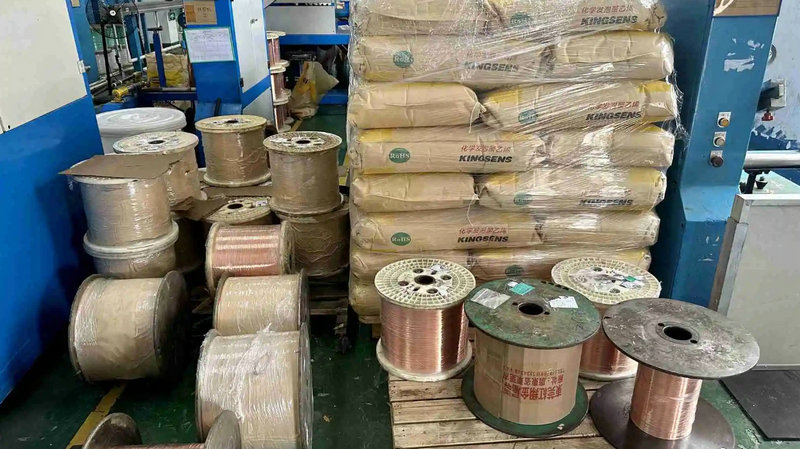
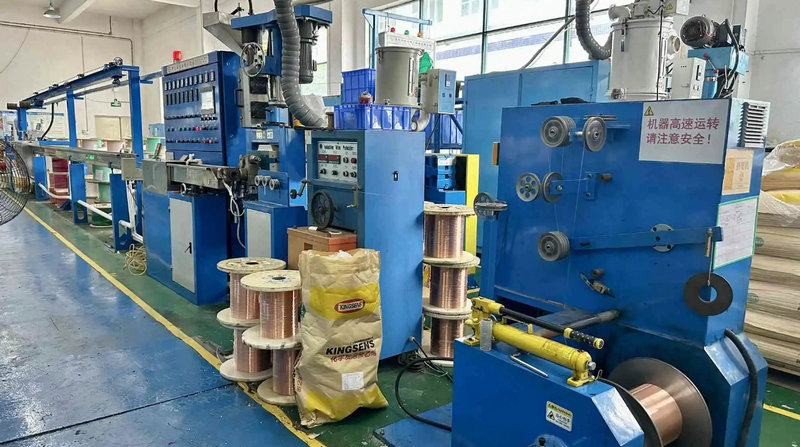
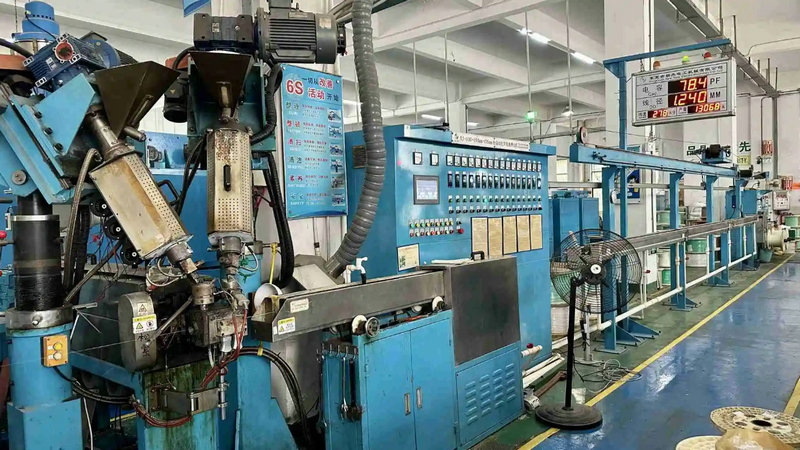
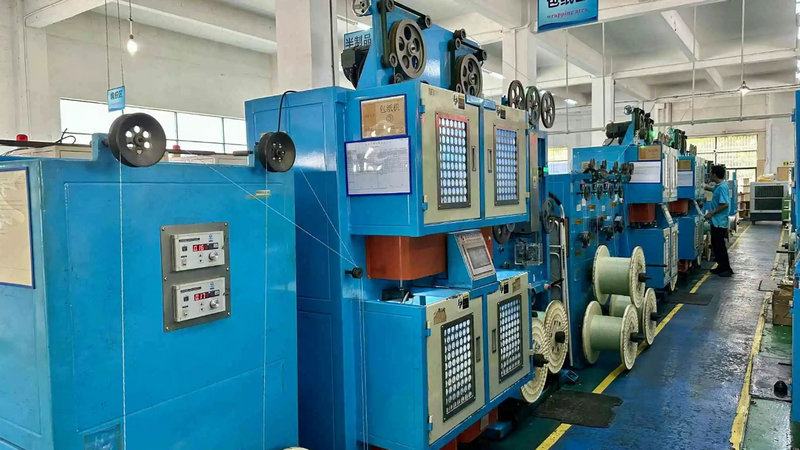
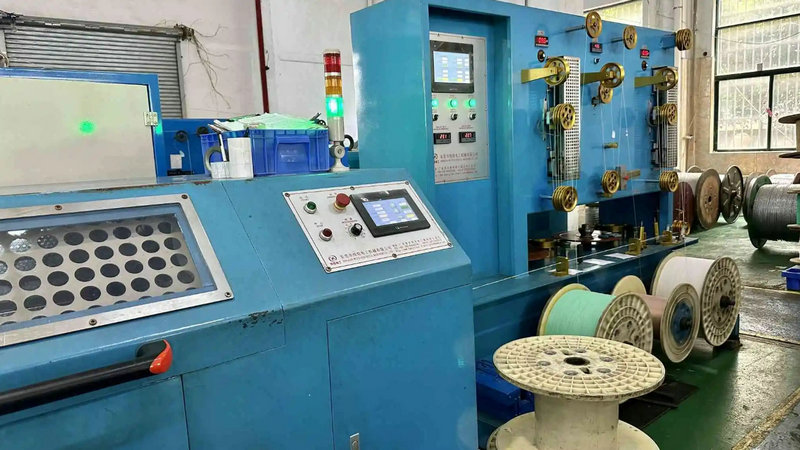
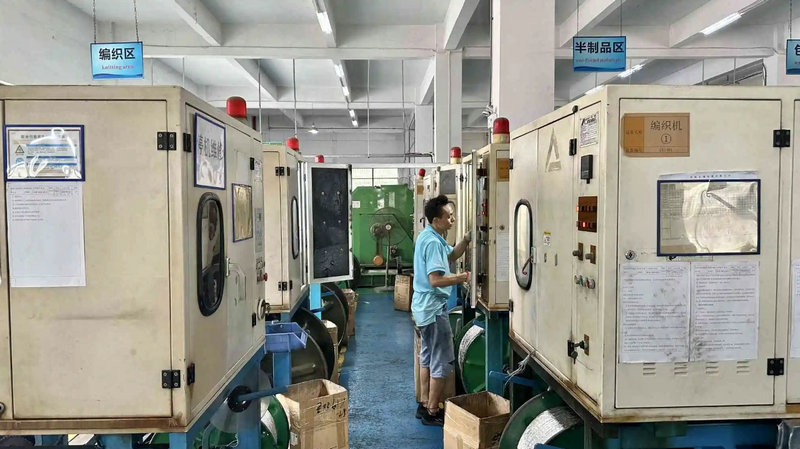
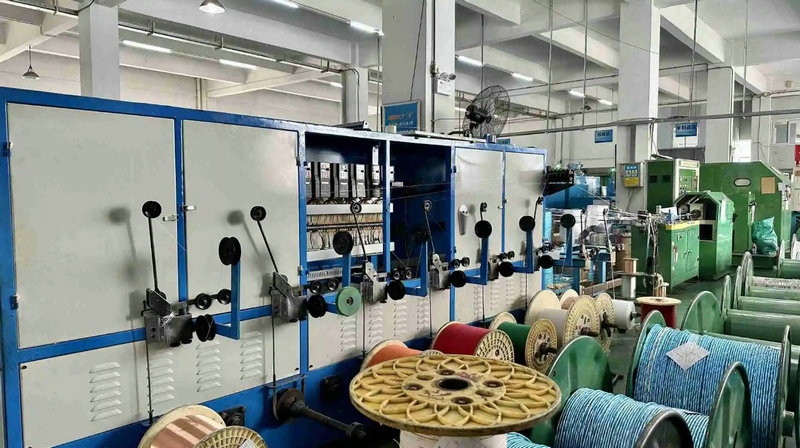
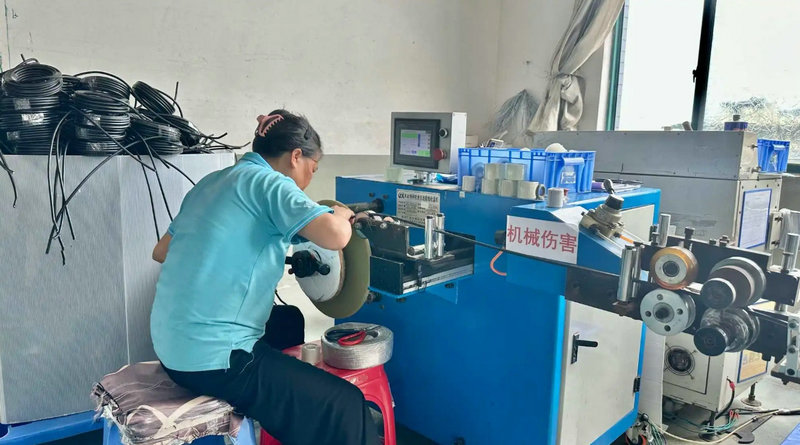
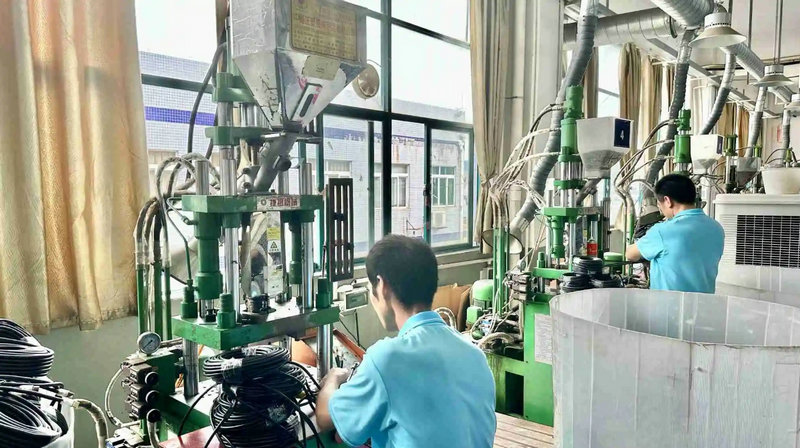
A look at Caiku's integrated manufacturing workflow—from raw material extrusion to testing and quality assurance.
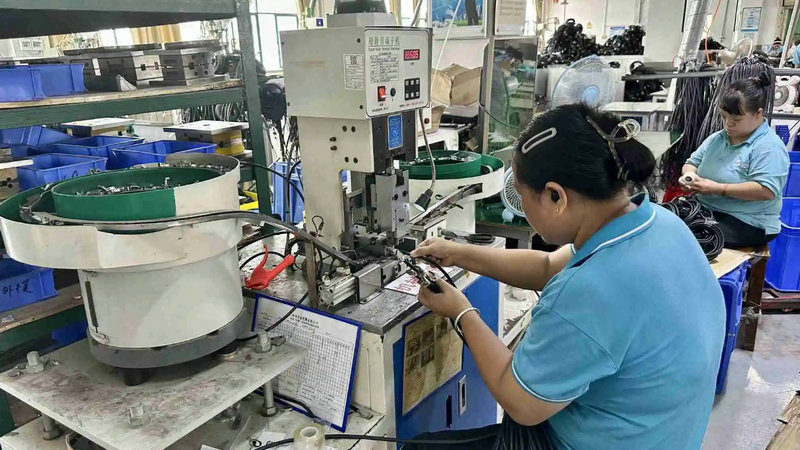
Caiku controls every step of production internally to ensure quality. Vertical integration helps prevent supply chain disruptions, reduces waste, and maintains consistent product performance.
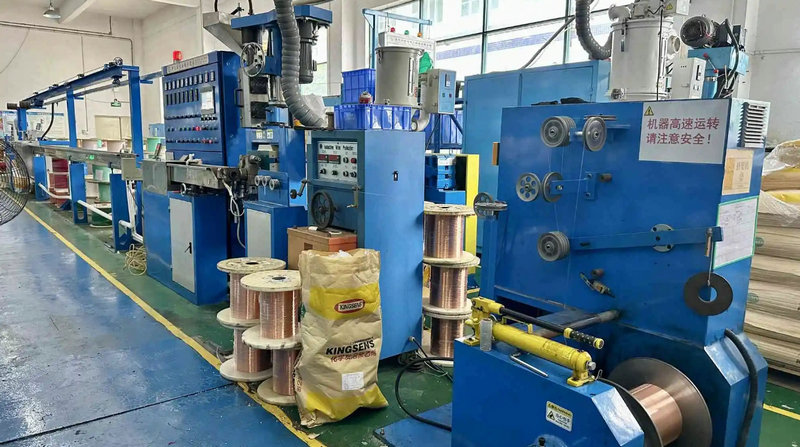
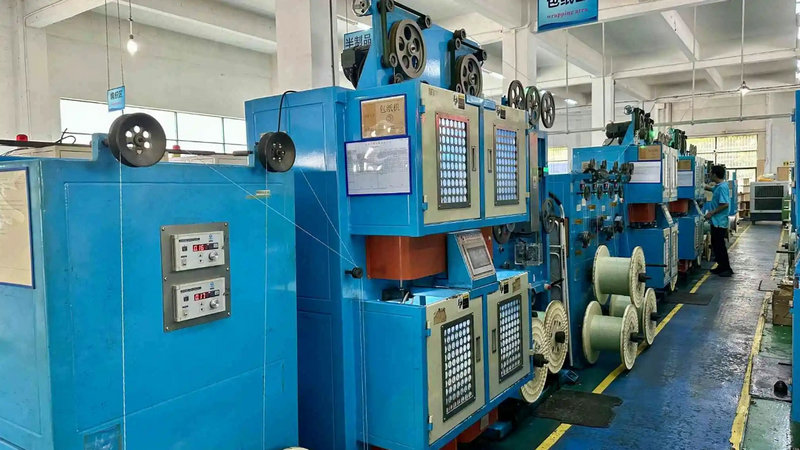
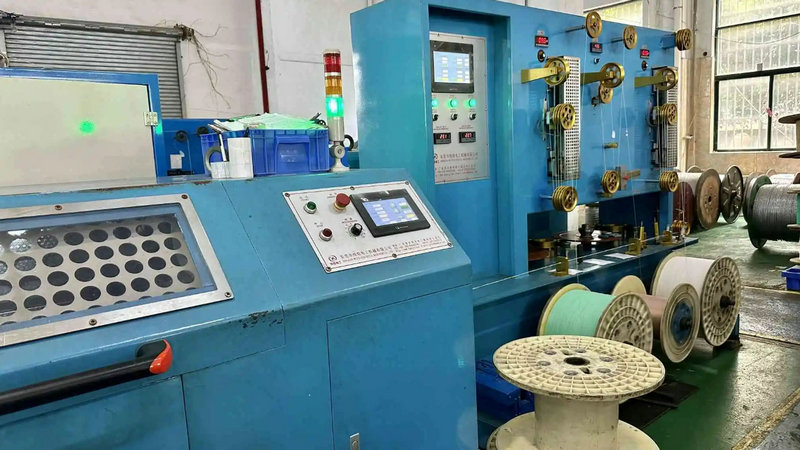
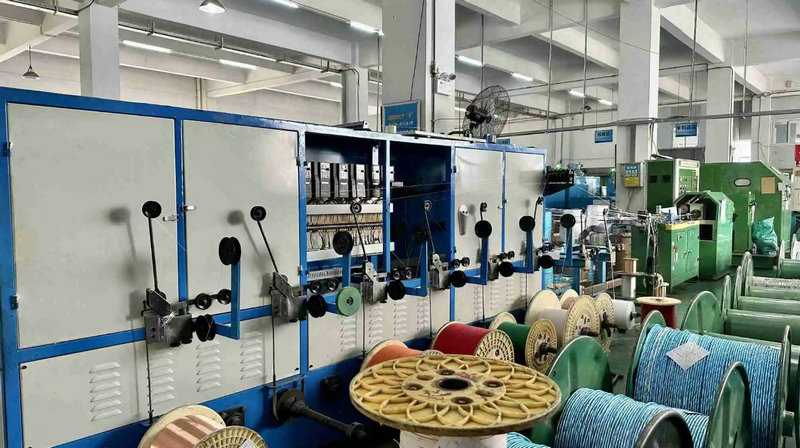
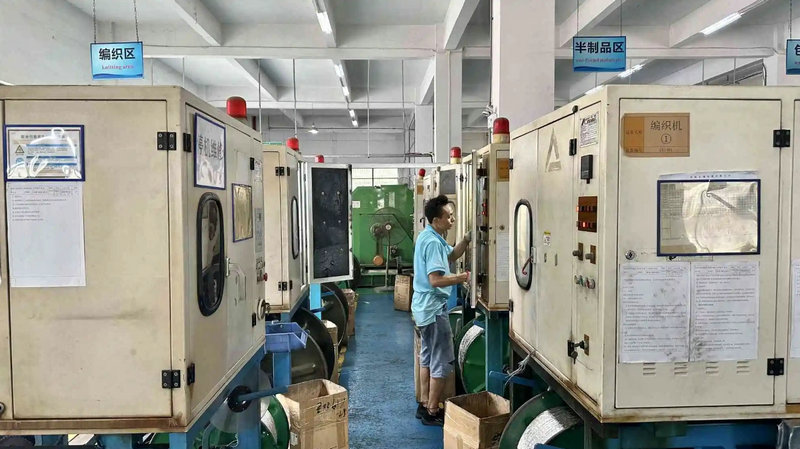
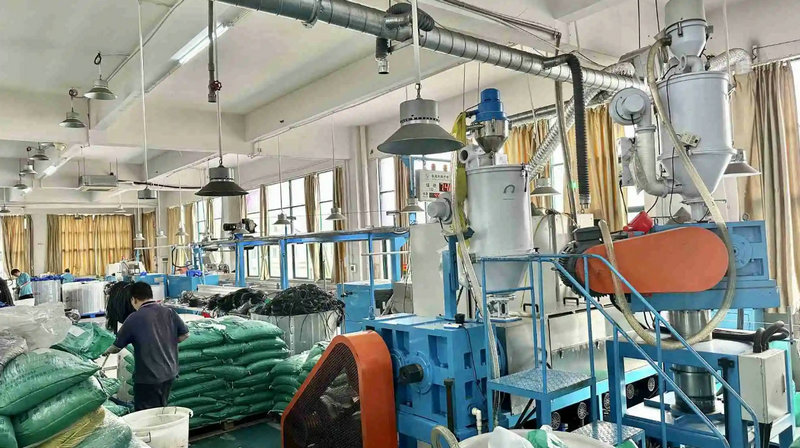
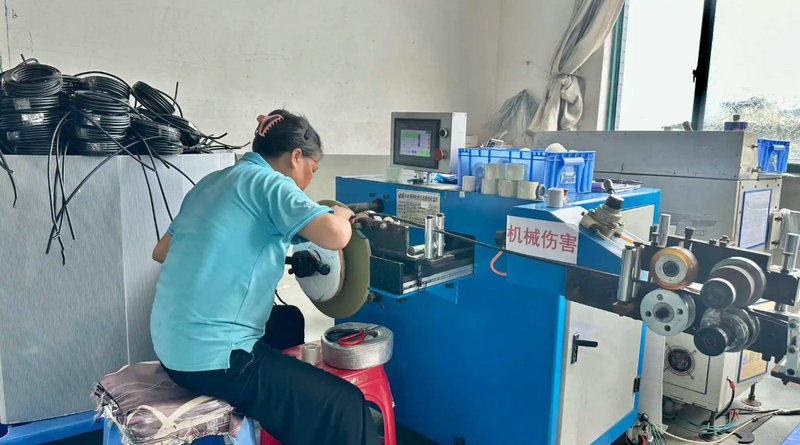
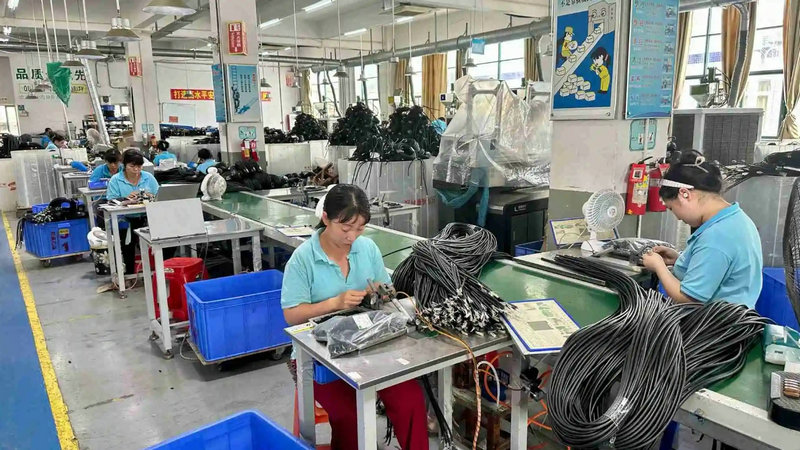
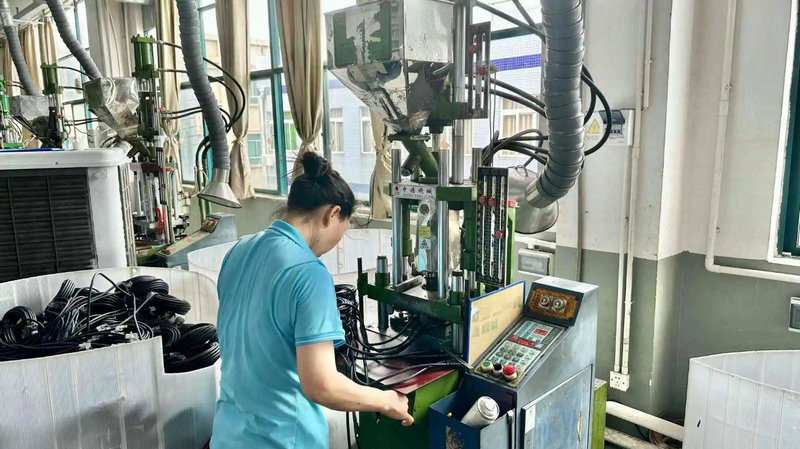
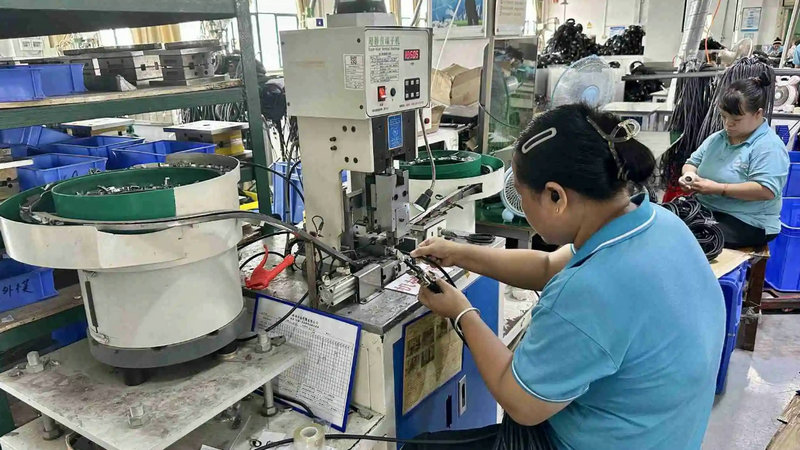
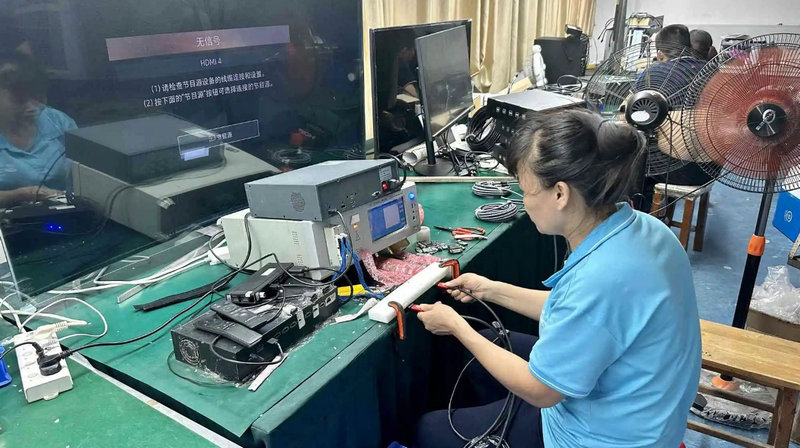
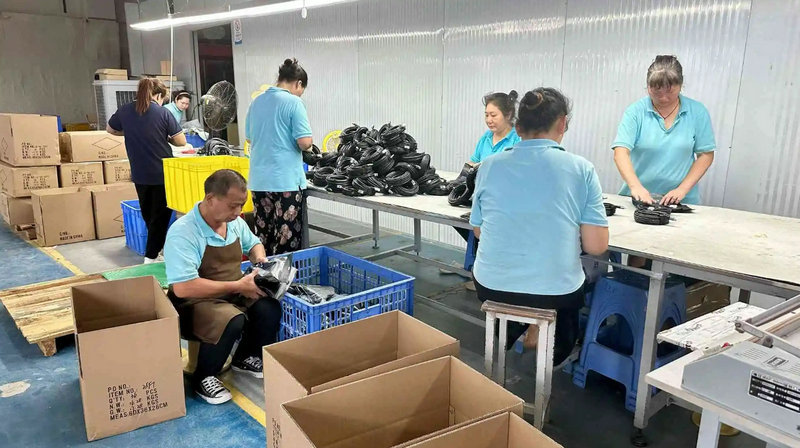
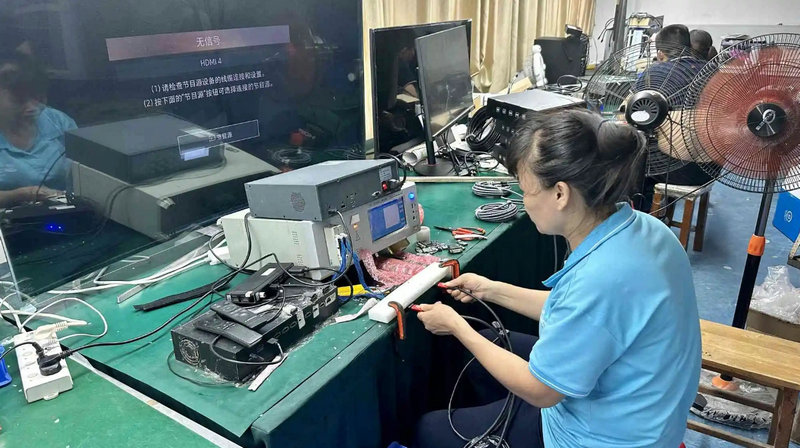
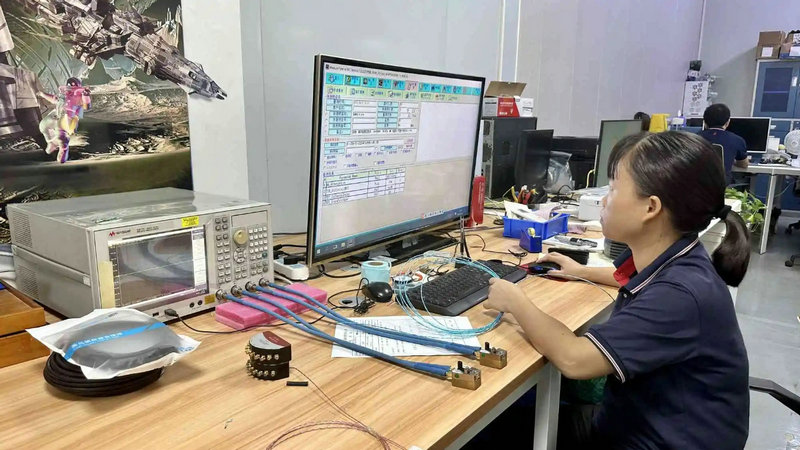
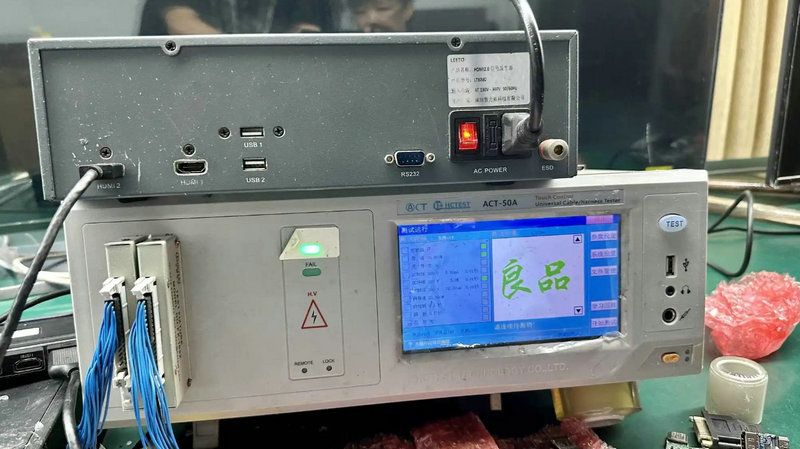
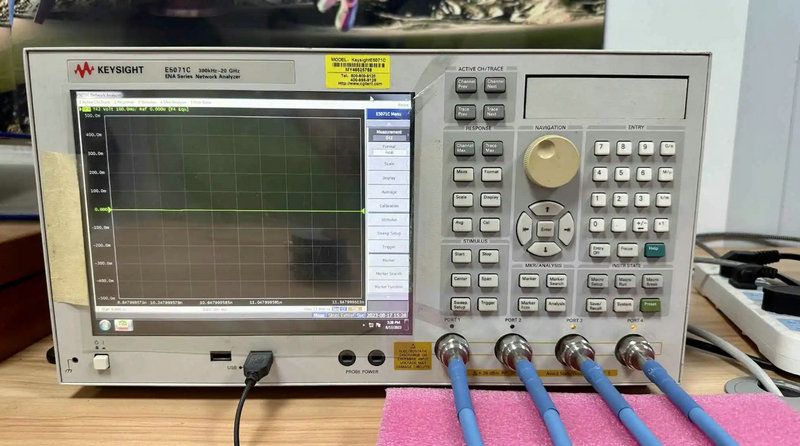
In-house manufacturing equipment and testing instruments used to maintain production precision.
Key standards for engineering managers and sourcing directors navigating vendor selection.
To import electronic power products into regulated markets, factories must maintain active certifications with recognized testing laboratories. These certifications verify electrical safety, electromagnetic compatibility, and environmental compliance.
A reliable supplier must show clear process control from raw material arrival to final shipment. Key quality metrics include:
Incoming material testing for RoHS and specs.
In-process checking during assembly and molding.
100% functional, burn-in, and safety testing.
Technical advice for procurement specialists and design engineers sourcing power electronics.
True eco-friendly charger manufacturing focuses on energy-efficient designs (minimizing active thermal loss) and sustainable materials. Key factors include using high-efficiency power architectures (like GaN and Super Si) that exceed DoE Level VI standards, using recycled or bio-based housing plastics, sourcing conflict-free minerals, and reducing manufacturing waste through in-house cable extrusion and recycling.
Gallium Nitride (GaN) features a wider bandgap than silicon, allowing it to handle higher voltages and switch frequencies with lower resistance. This reduces power dissipation as heat, enabling smaller components and more compact housing designs. The result is less raw plastic use, lighter products, and reduced carbon emissions during transportation.
For the US market, chargers require safety certifications like UL/ETL (per standard IEC/UL 62368-1) and FCC verification for electromagnetic emissions. For the EU market, products must carry the CE mark, indicating compliance with the Low Voltage Directive (LVD) and EMC Directive, along with RoHS and REACH certifications to verify the restriction of hazardous substances.
Caiku uses a multi-stage testing process at its factories. Incoming raw materials are inspected (IQC) before processing. During assembly, products undergo in-process quality control (IPQC), followed by full functional testing, high-voltage insulation tests, and burn-in aging. Final quality checks (FQC and OQC) verify safety and performance specs prior to packaging.
Broadening your commercial operations with industrial power adapters, cables, and eco-centric components.
 Caiku Electronic