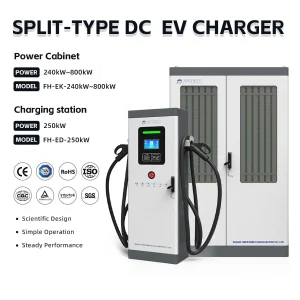
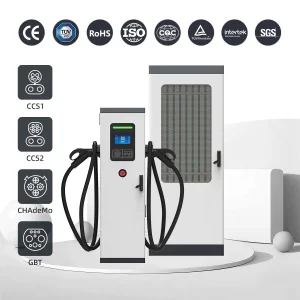
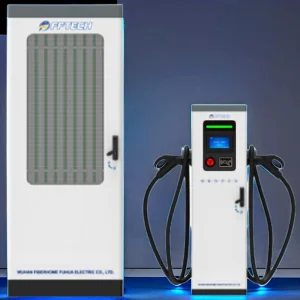
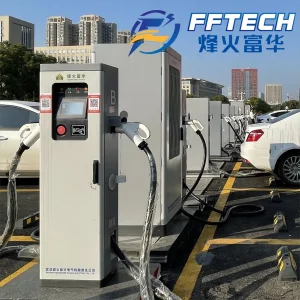
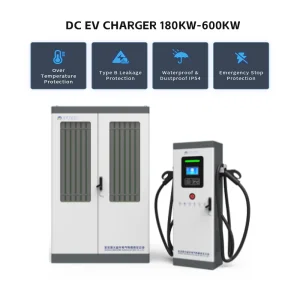
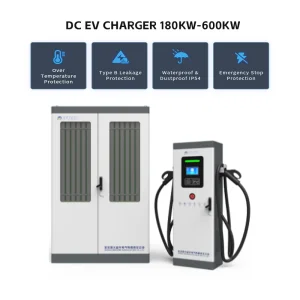
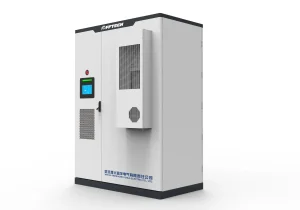
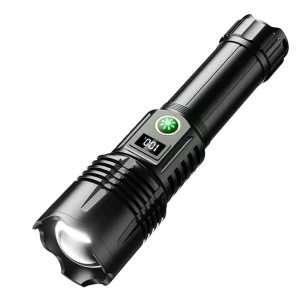
Engineered for immediate integration into the Port of Antwerp-Bruges logistics networks, complying with heavy industrial grids.
As Europe’s second-largest seaport, the Port of Antwerp-Bruges serves as a vital artery for global trade, chemical refining, and intermodal inland shipping. Moving millions of tons of freight annually requires a high-performance drayage fleet, heavy machinery, and zero-emission logistics tugs. Under Flanders' ambitious climate initiatives and the European Union’s Alternative Fuels Infrastructure Regulation (AFIR), the demand for high-power source chargers in Antwerp has surged exponentially.
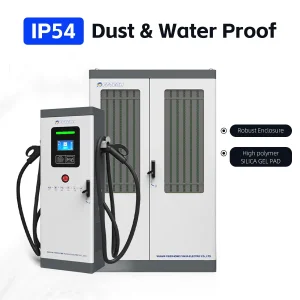
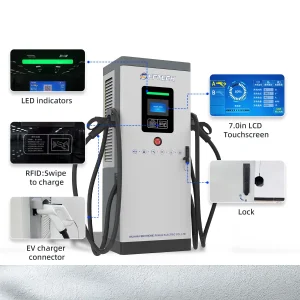
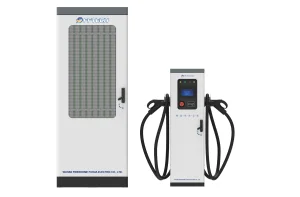
Local industrial zones demand more than standard EV infrastructure; they require customized Megawatt Charging Systems (MCS) capable of delivering 350kW to 1MW+ outputs to minimize vessel turn-around times and logistic yard delays. Operating under severe coastal environment challenges, these high-power chargers must withstand corrosive maritime air, demanding high-protection standards like IP54 / IP65 enclosures, integrated liquid cooling, and robust smart communication protocols (OCPP 1.6J/2.0.1) to synchronize with regional smart grid systems.
Efficiency Rate
Global Patents
Countries Reached
New R&D Products / Mo
Optimized configurations for commercial logistics corridors, municipal transit depots, and harsh industrial environments.
Established in 2011, Dongguan Caiku Electronic Technology Co. Ltd. stands as a premier global manufacturer of power adapters, high-power source chargers, and computer peripheral accessories. Our factory strategically integrates the fast-paced ecosystem of Dongguan's technology corridors with strict European compliance protocols. This enables us to maintain an exceptional speed-to-market advantage, translating to rapid deliveries directly into Antwerp hubs.
We believe in driving innovations that integrate green manufacturing with smart engineering. Over the past decade, we have completed two comprehensive strategic upgrades, transitioning from a localized components manufacturer to a vertically integrated power house. With more than 20 patents across Europe, the USA, and China, Caiku guarantees proprietary structural engineering, advanced thermal systems, and high performance under continuous loads.
Caiku is dedicated to absolute operational transparency. Every product is backed by comprehensive material testing reports and certifications.
Over 20 utility and design patents in the EU, USA, and China, mitigating IP risks for international distribution.
Successfully distributing chargers to over 100 countries. Engineered to adapt to local regional grids and voltage demands.
Our dynamic R&D pipeline develops 3 to 10 distinct, cutting-edge power solutions every single month to keep up with industry advances.
Every stage—from raw material inspection to final OQC testing—is conducted inside our facility to maintain strict quality control.
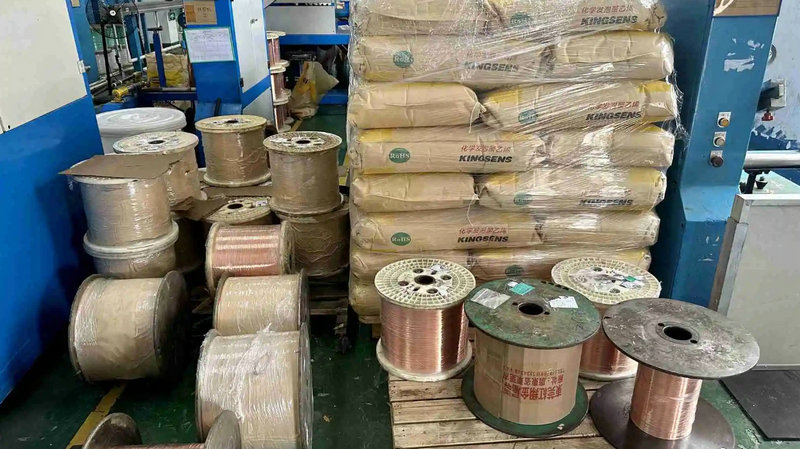
Raw Materials
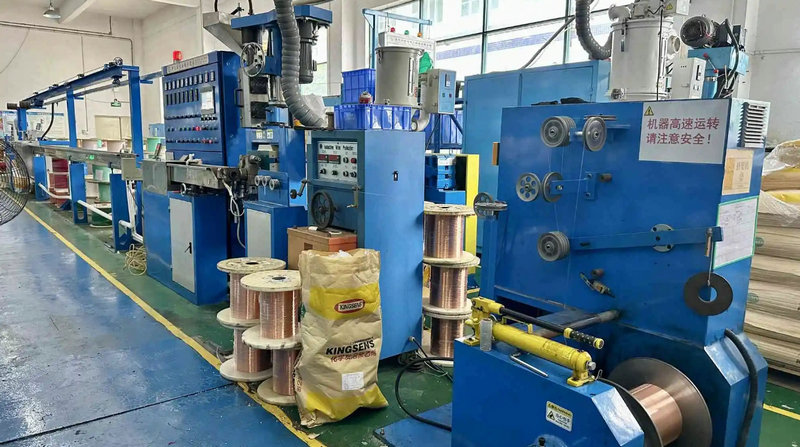
Extruding
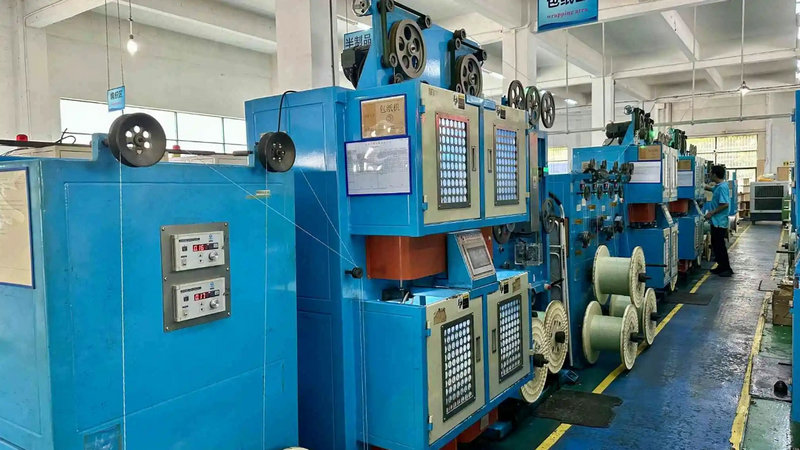
Covering
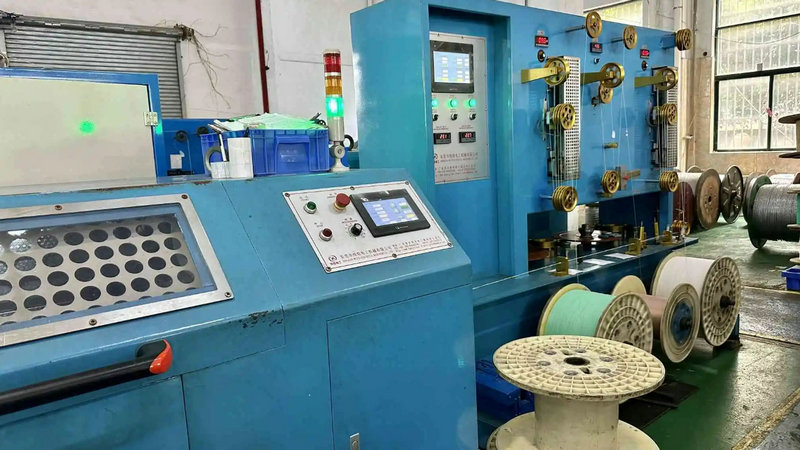
Stranding
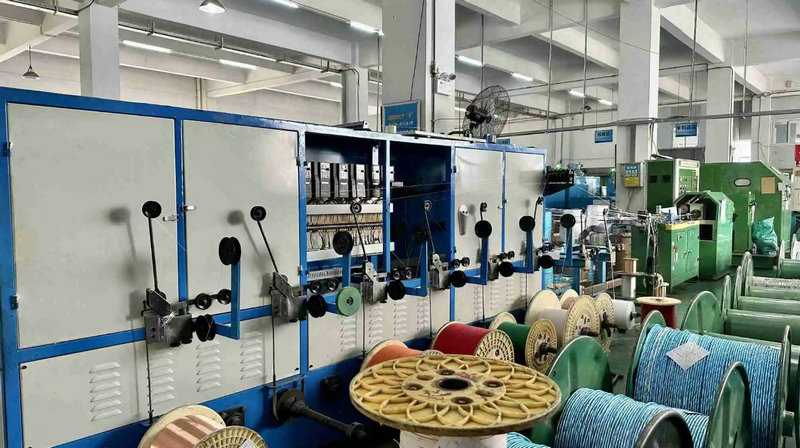
Cabling
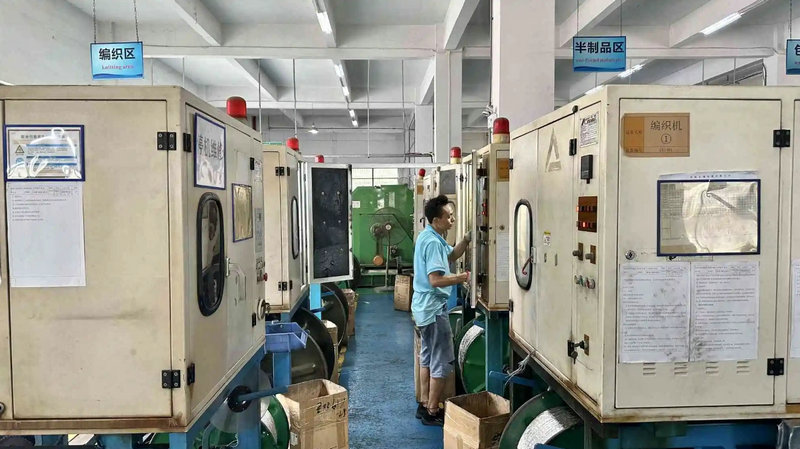
Braiding
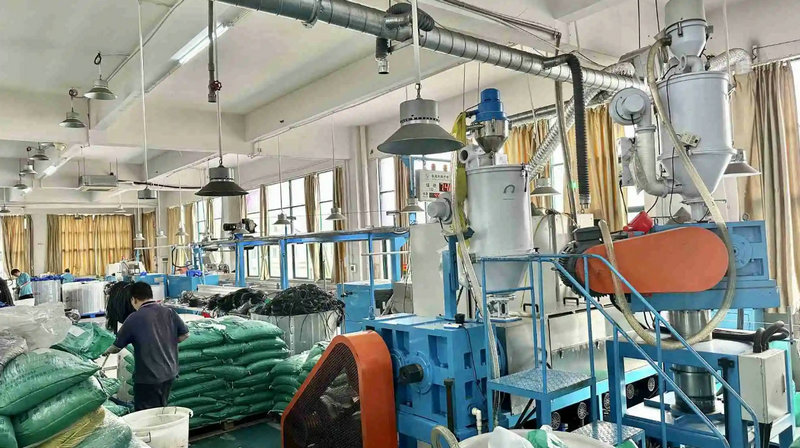
Cladding
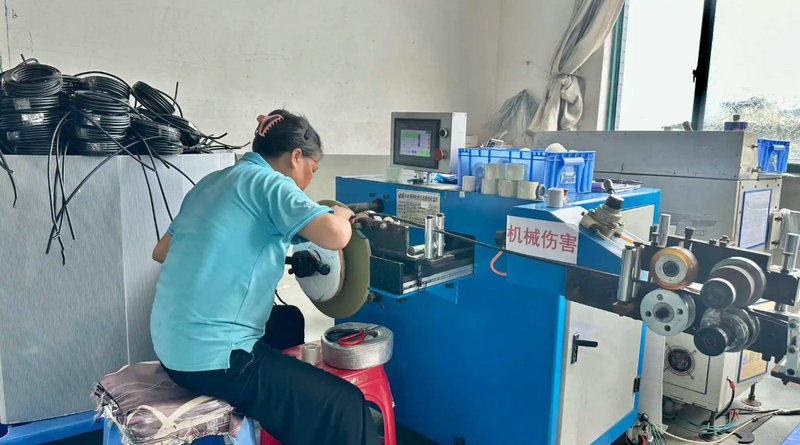
Winding
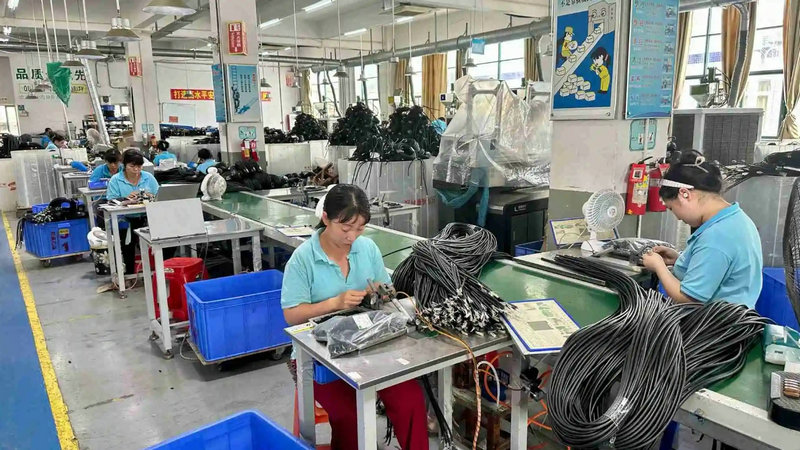
Connector Assembling
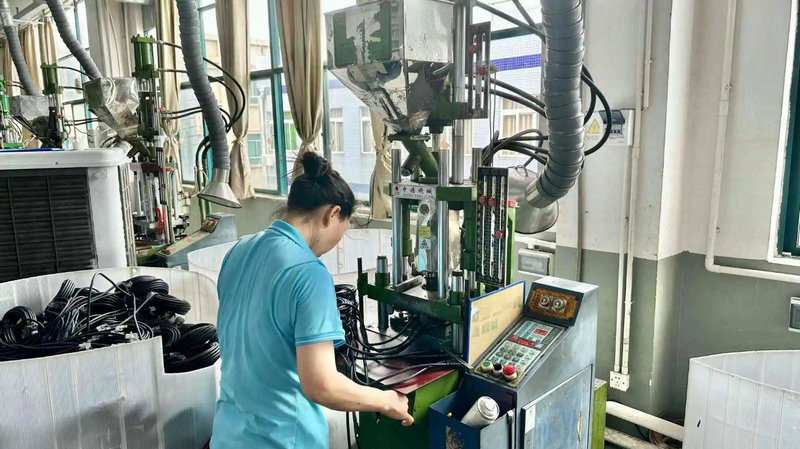
Injection Molding
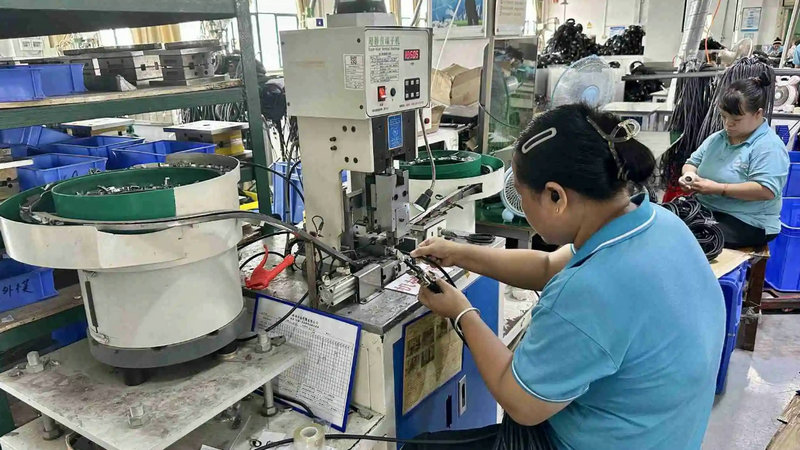
Strengthening
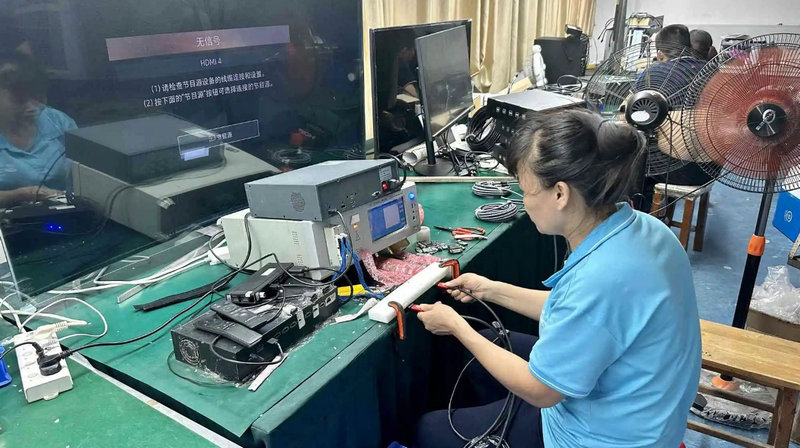
Testing Process
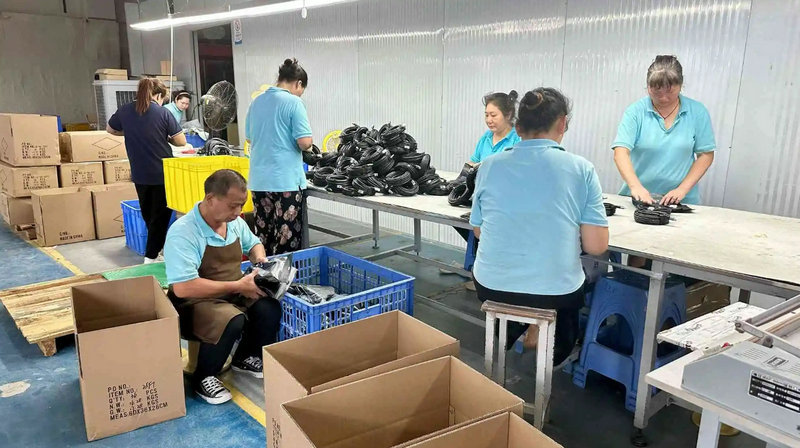
Final Packing
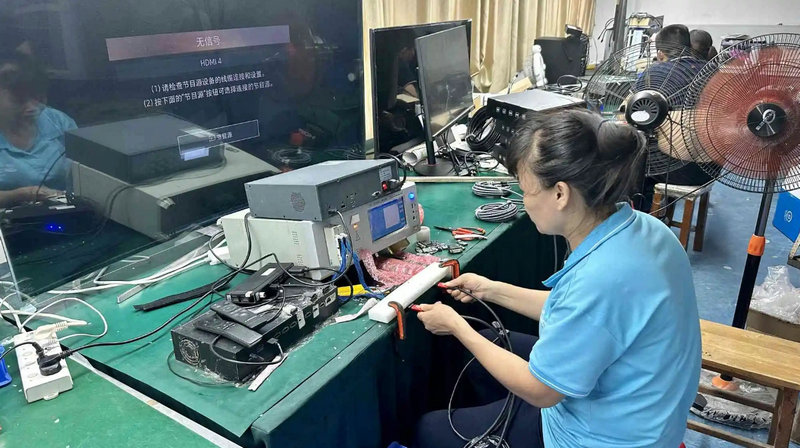
Environmental Temp Lab Testing
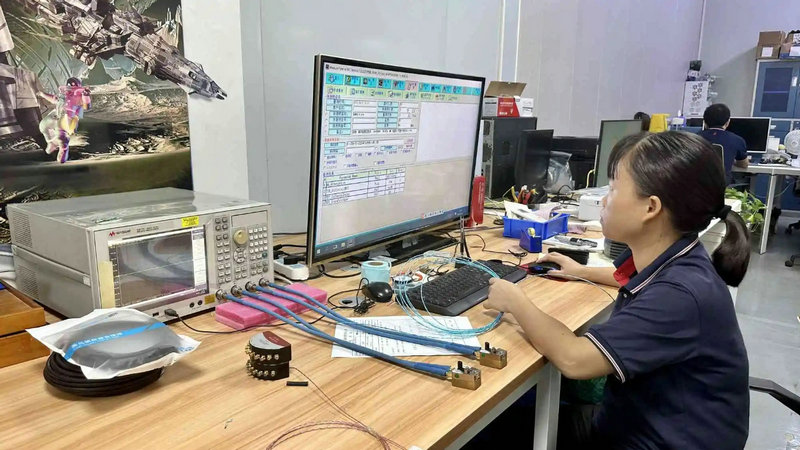
Outgoing Quality Control (OQC)
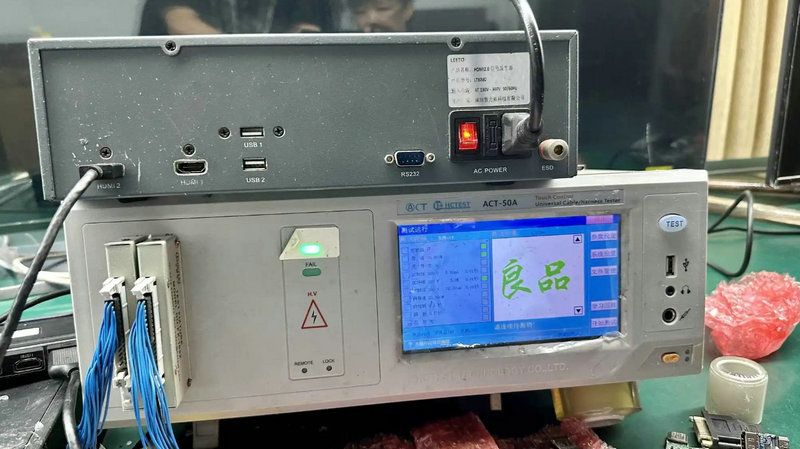
Universal Cable Tester
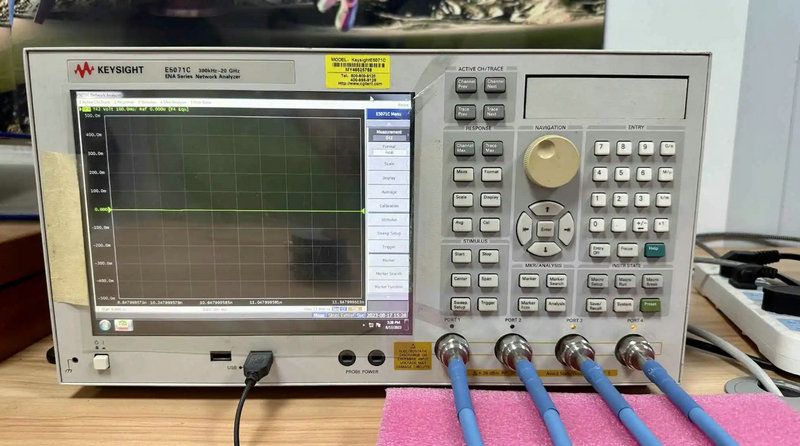
High-Freq Network Analyzer
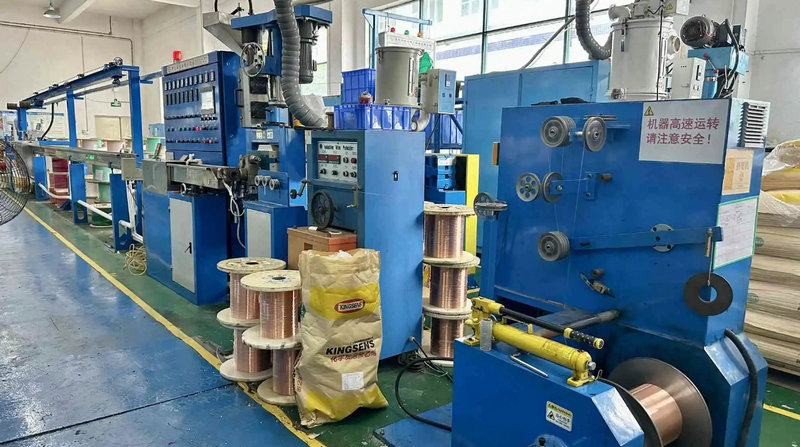
High Speed Extruding Machine
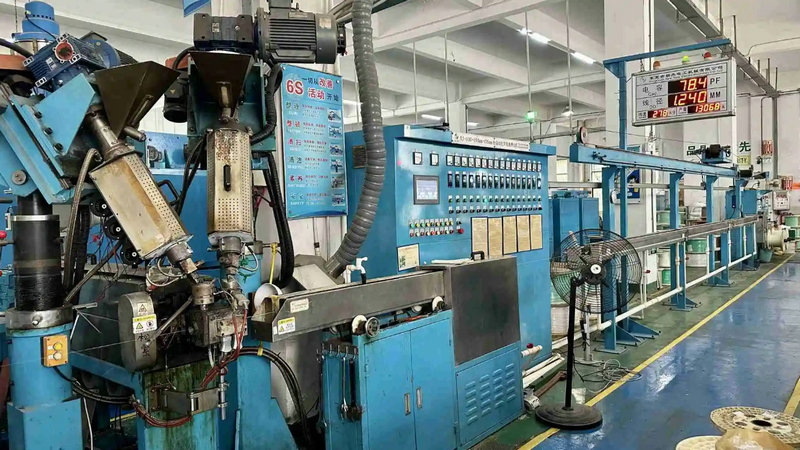
Automatic Chemical Foam Extruder
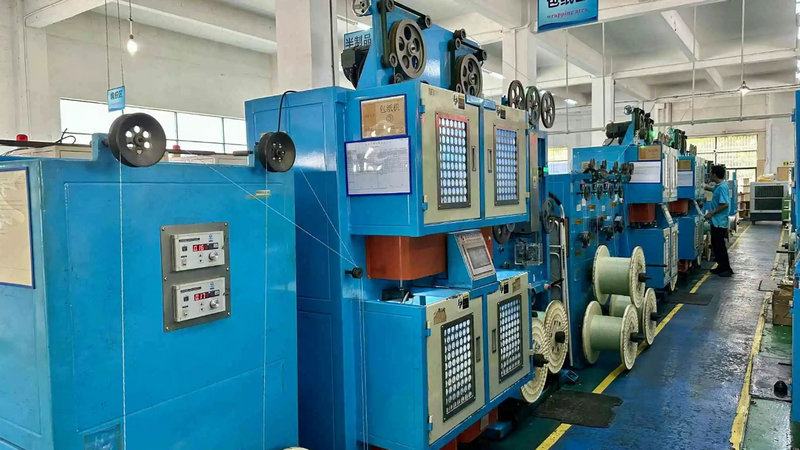
Co-axial Covering Machine
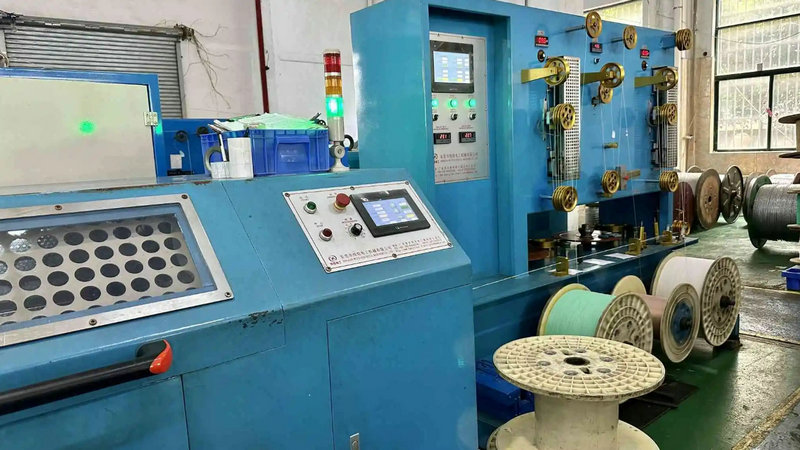
Rotary Stranding Machine
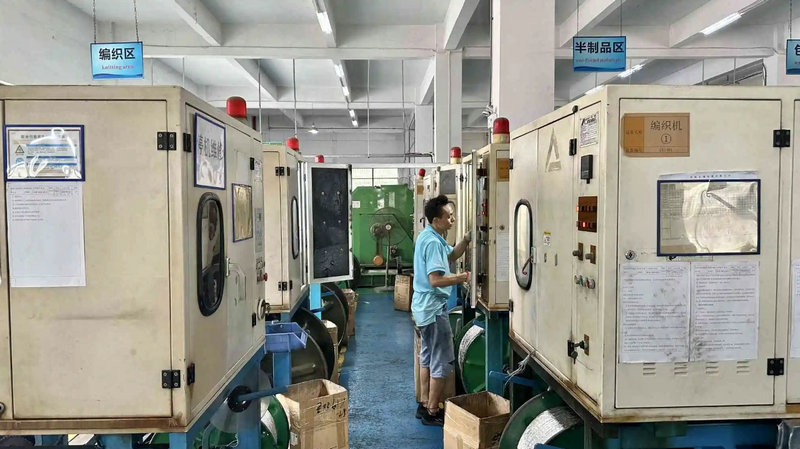
16-Carrier Cable Braider
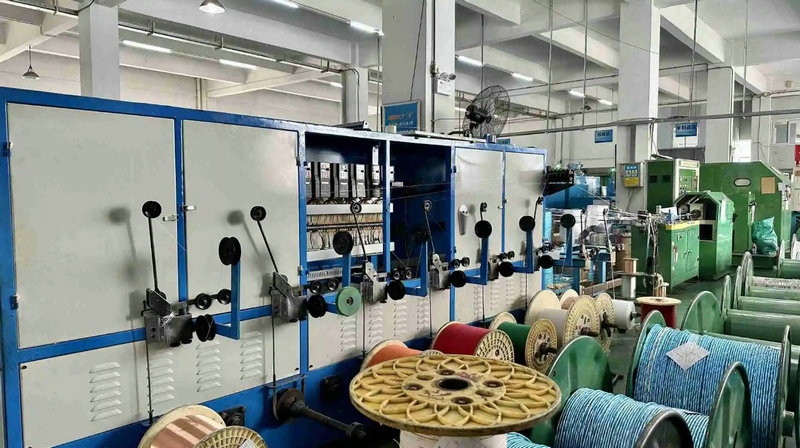
Multi-Conductor Cabling Machine
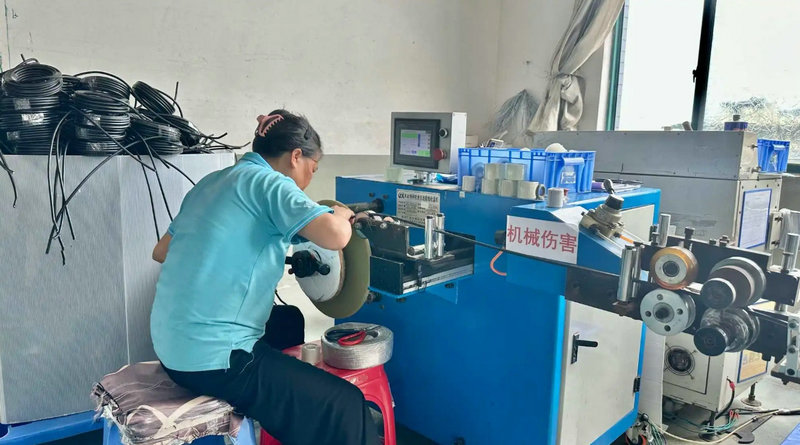
Precision Winding Machine
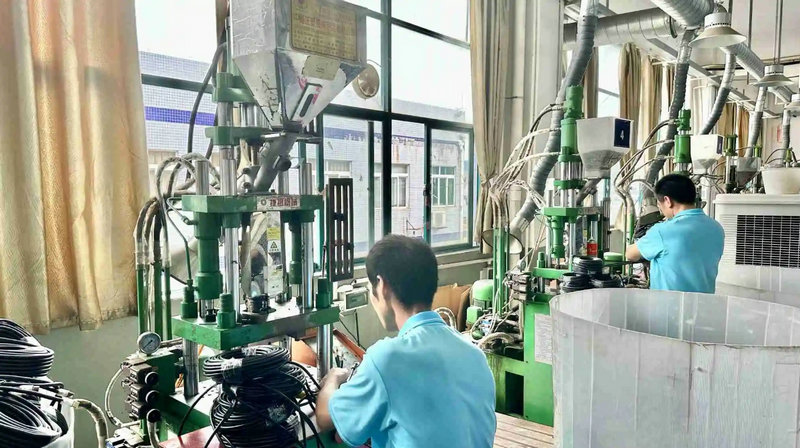
Vertical Injection Molding Machine
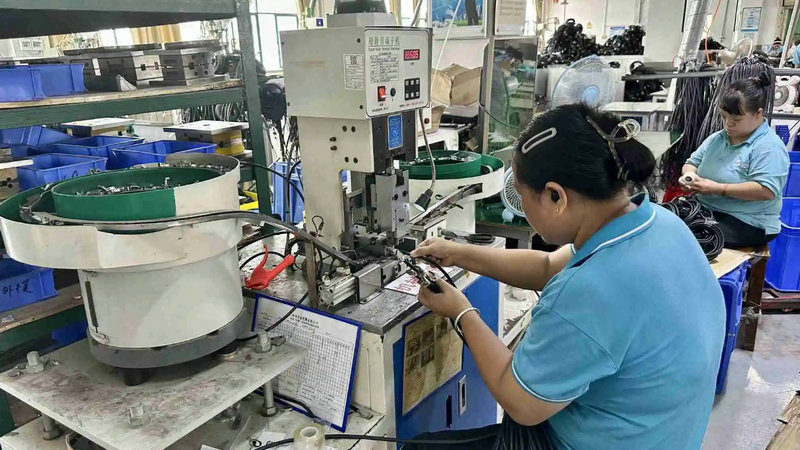
Pneumatic Terminal Crimper
Detailed parameters that procurement managers at chemical complexes and maritime logistics companies must prioritize.
Industrial systems across Belgium must conform strictly to CE (LVD/EMC directives) and local grid requirements regulated by Fluvius. For systems involving portable power backups and fleet chargers, certificates like ETL, GS, SAA, and PSE establish the foundation of reliable operation. These certifications guarantee that harmonic distortion parameters, leakage currents, and insulation resistance measurements comply with EN standards.
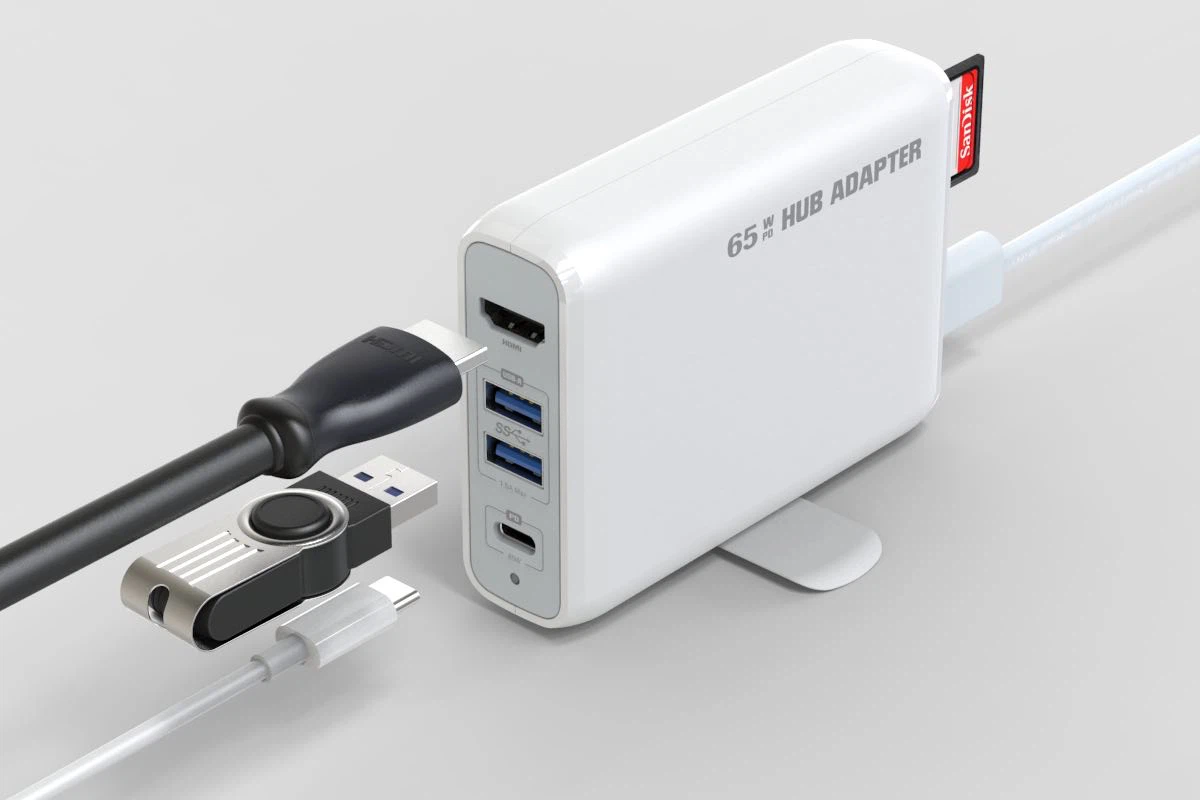
Whether deploying compact 140W USB-C chargers for port operation offices or megawatt-scale converters for drayage trucks, thermal efficiency is the determining factor of hardware lifespan. Incorporating Gallium Nitride (GaN) semiconductor technology drastically reduces dissipation losses. For heavy-duty EV chargers, our smart air-cooled or liquid-cooled modules maintain internal temperatures below thermal saturation thresholds, avoiding early degradation.
Grid integration in Antwerp relies heavily on smart dynamic load balancing (DLB). Incorporating open standard APIs such as OCPP 1.6J and OCPP 2.0.1 ensures compatibility with fleet management software. This allows terminal operations to avoid costly substation upgrades by dynamically adjusting active charging currents in response to real-time grid constraints.
Given Antwerp's proximity to coastal saltwater mist, chargers installed along maritime container terminals require IP54 minimum ingress ratings, treated with anti-corrosive coatings. Cable materials must retain flexibility under extreme winter temperatures. Our cables utilize polyurethane or high-grade elastomer sheaths to prevent cracking under repeated stress and traffic crossings.
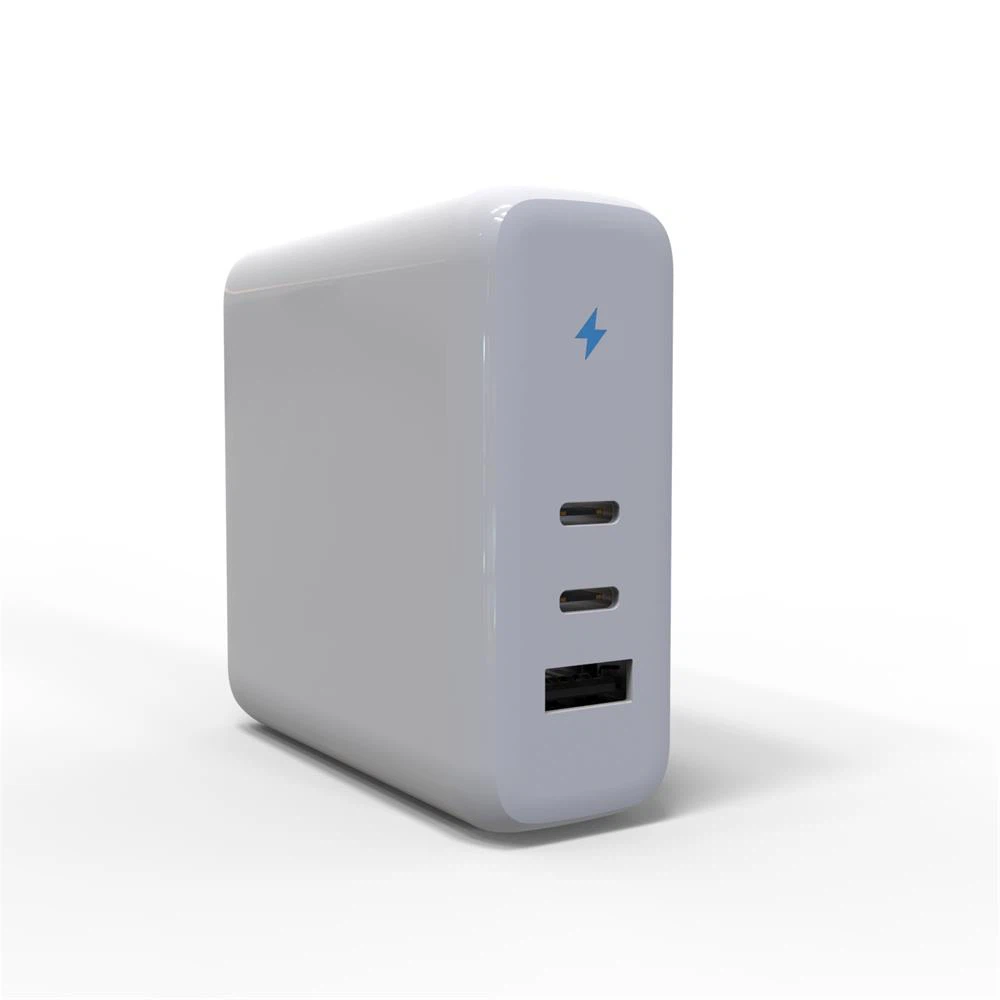
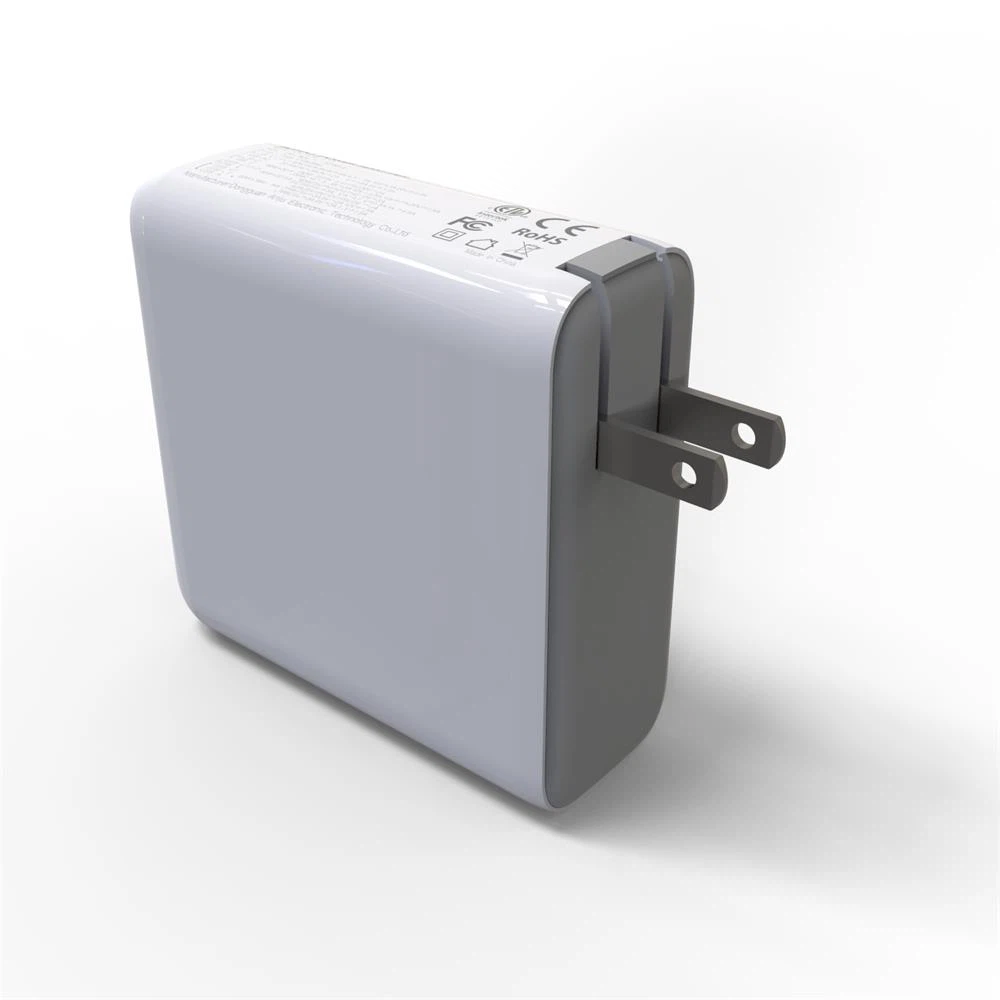
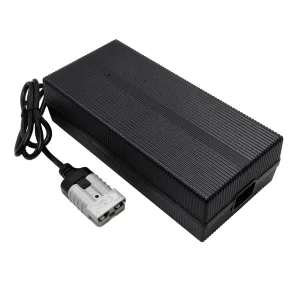
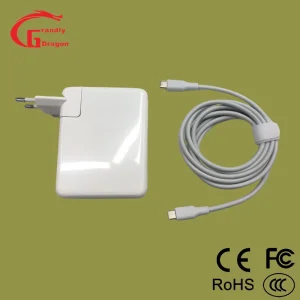
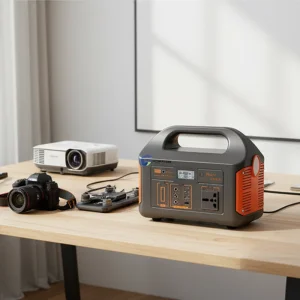
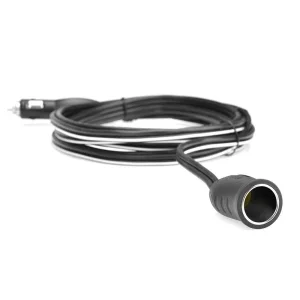
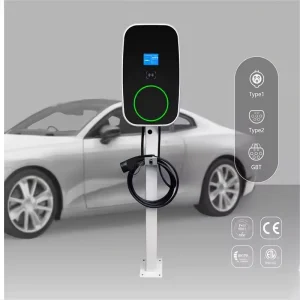
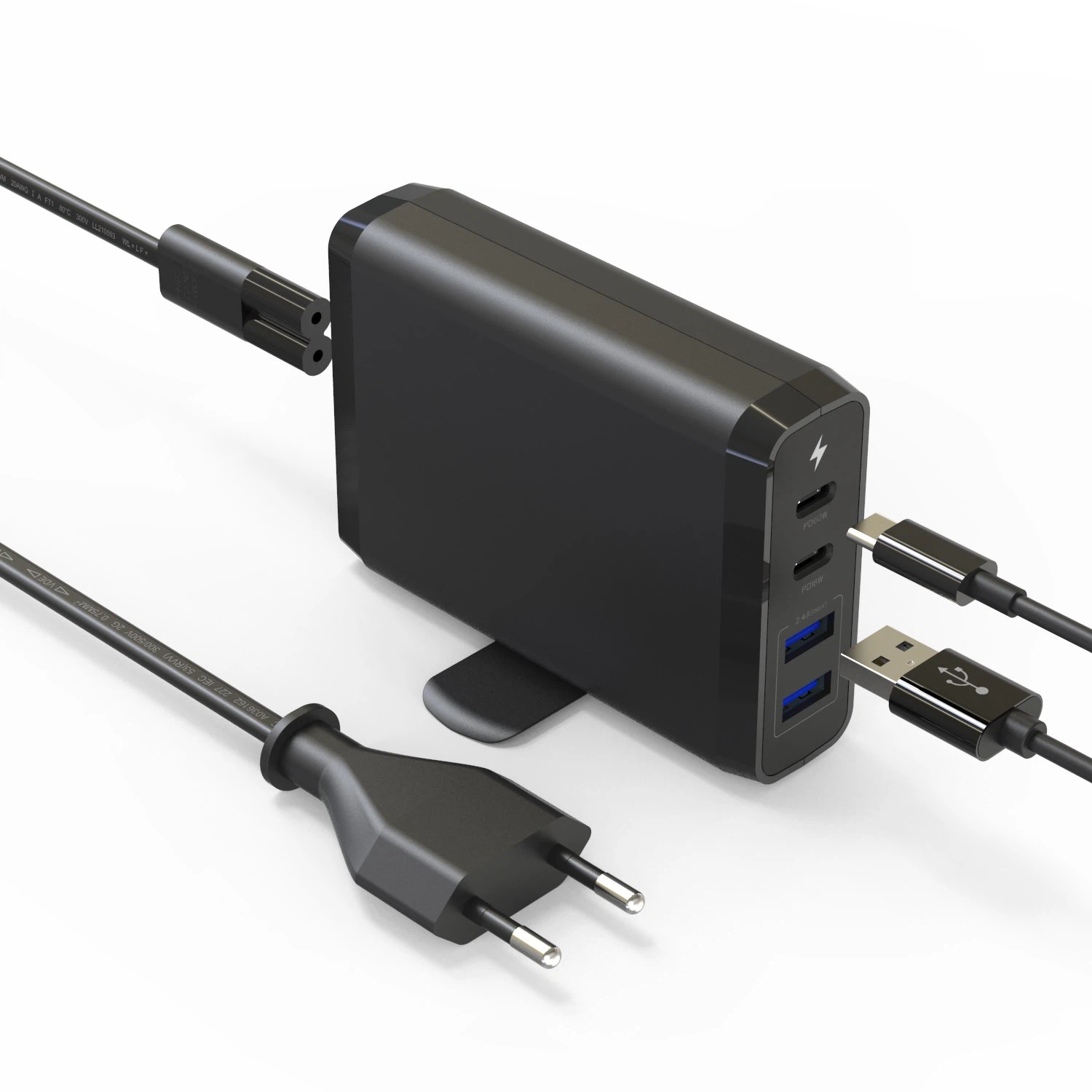
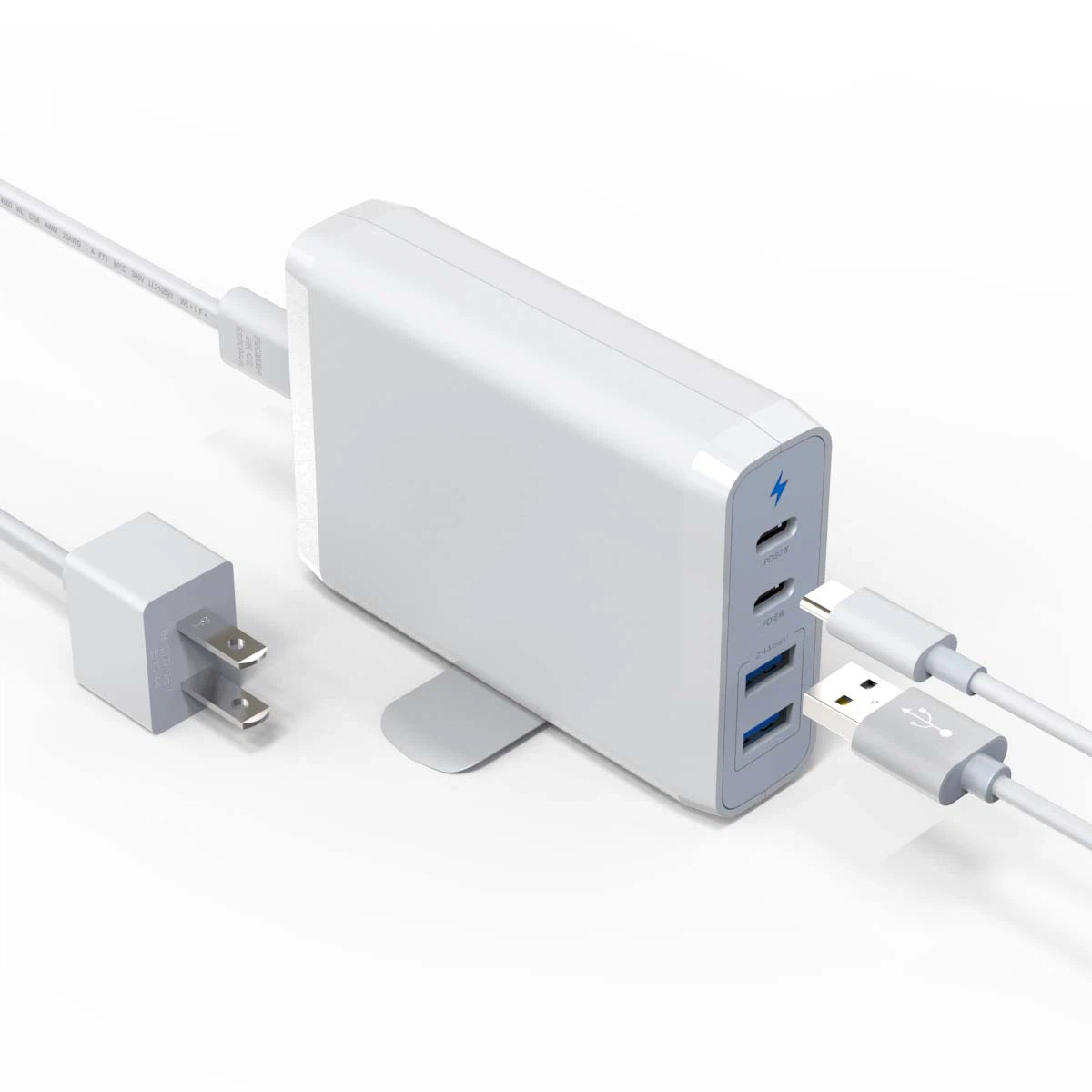
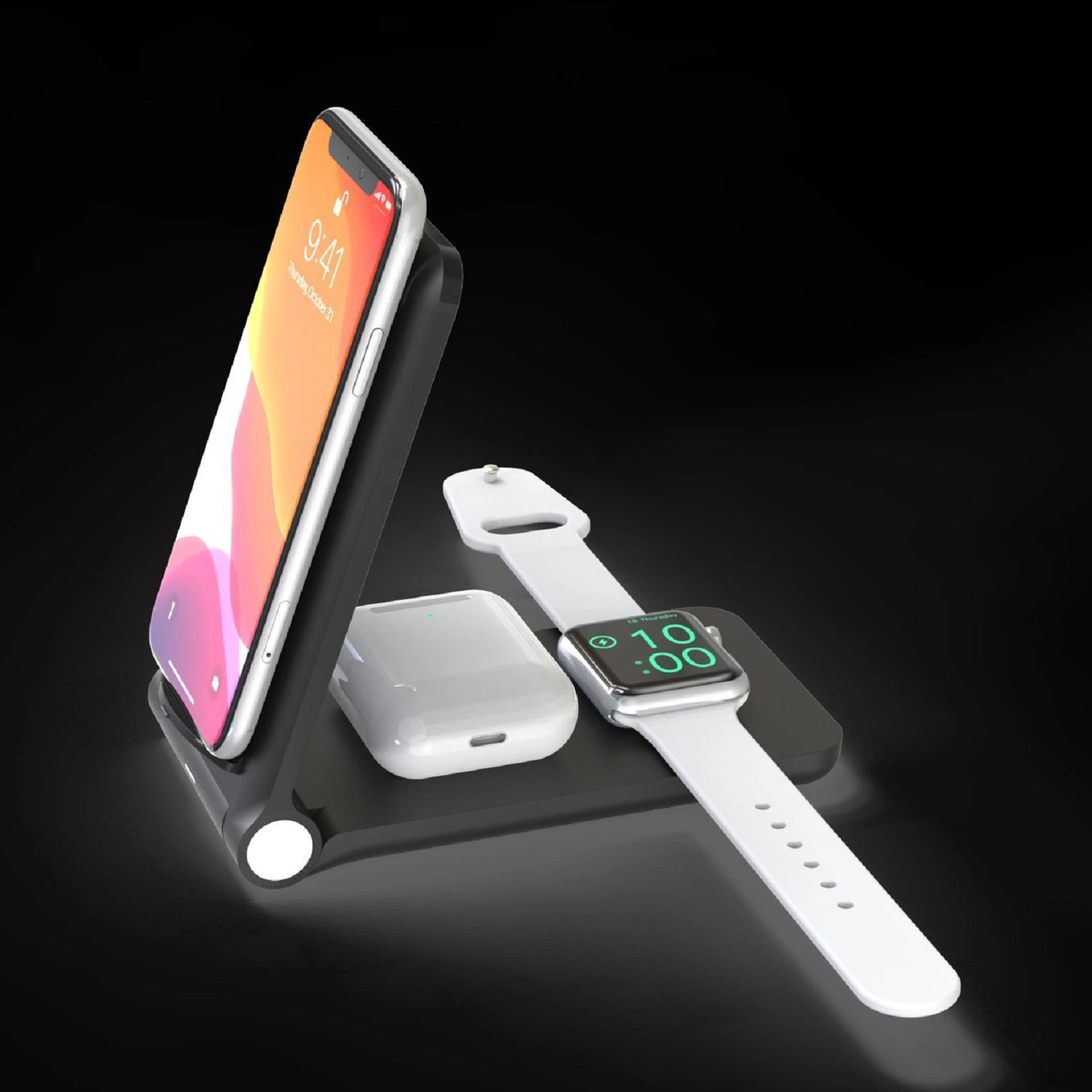
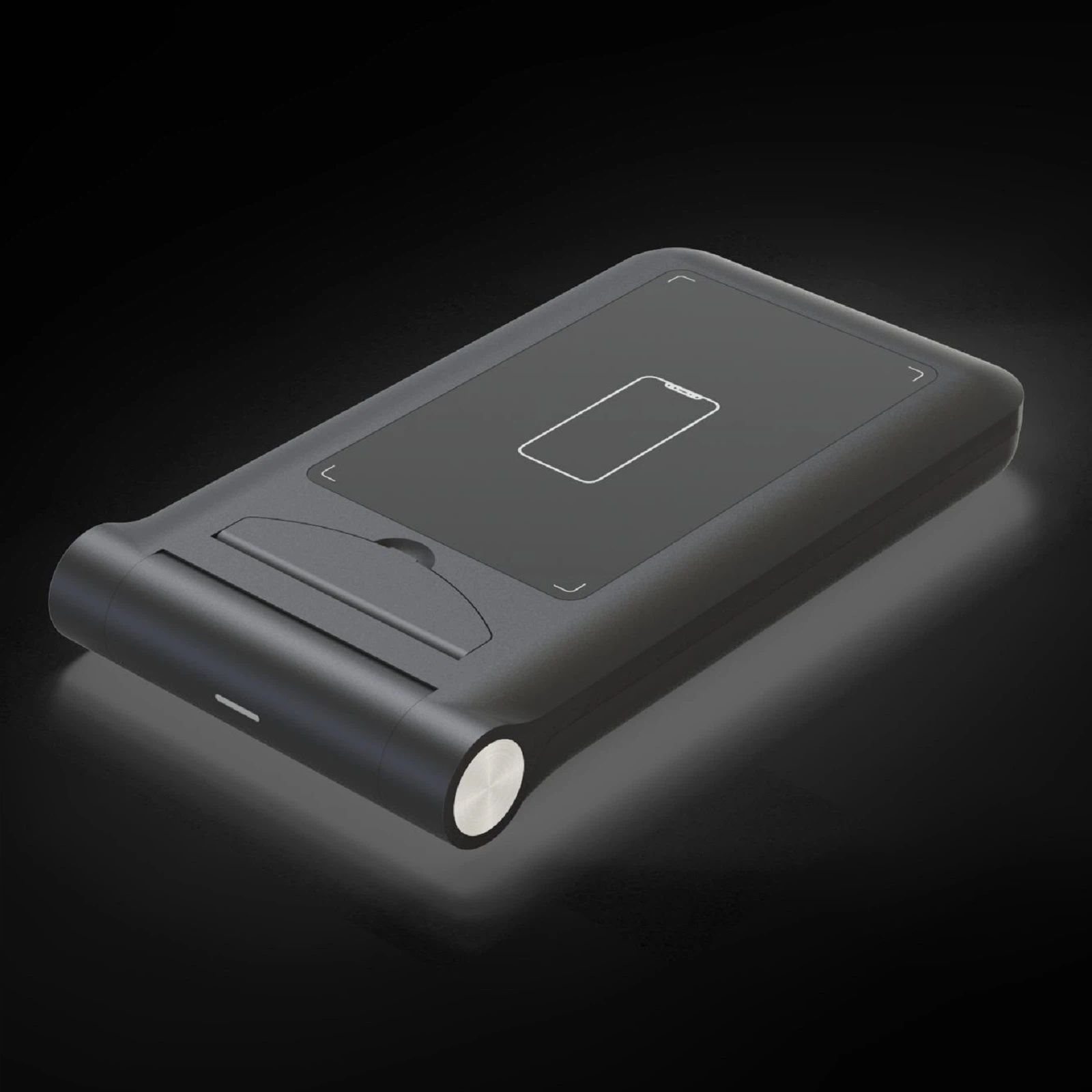
Comprehensive charging systems and high-current electrical accessories designed for Antwerp commercial and domestic applications.
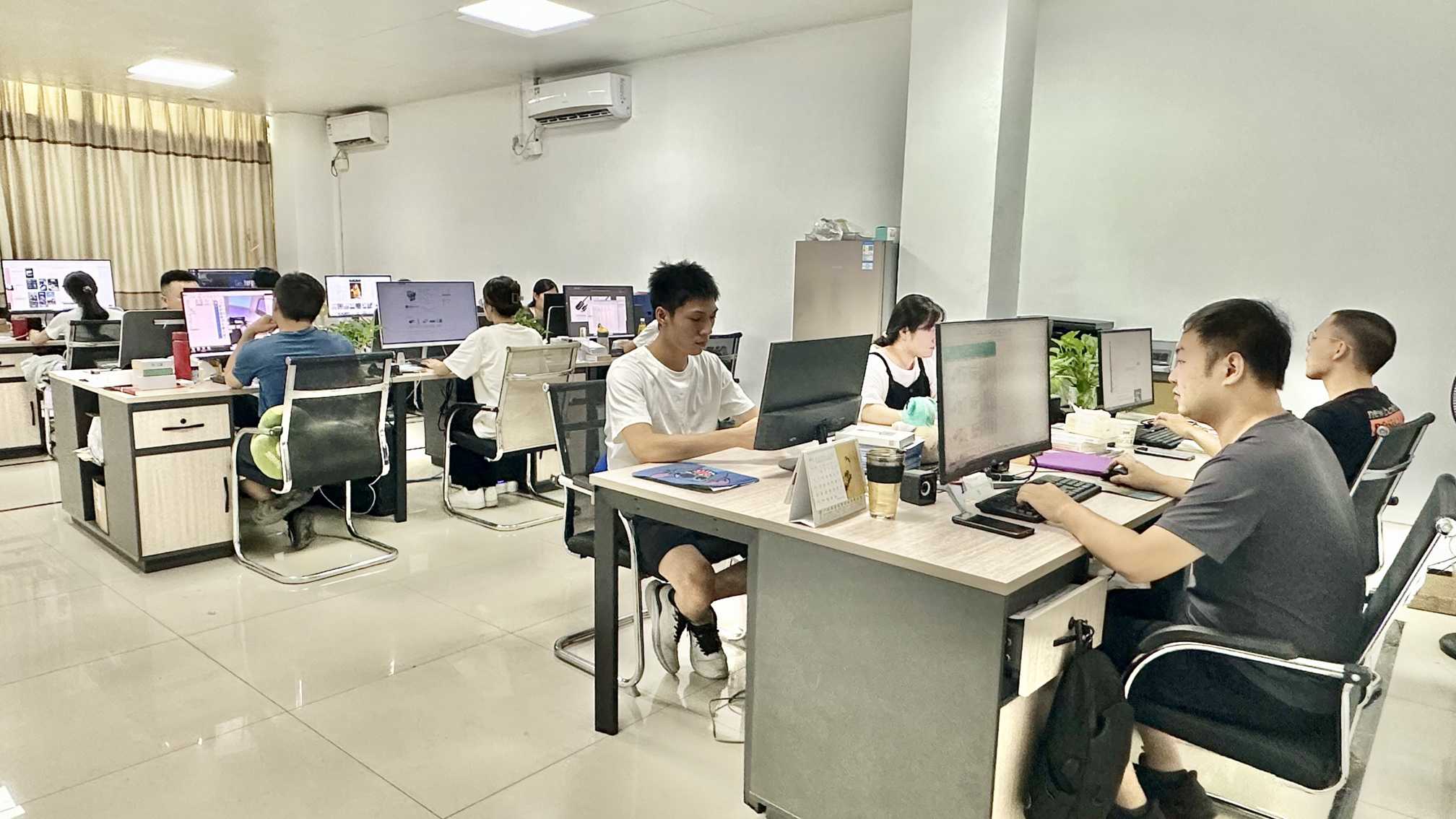
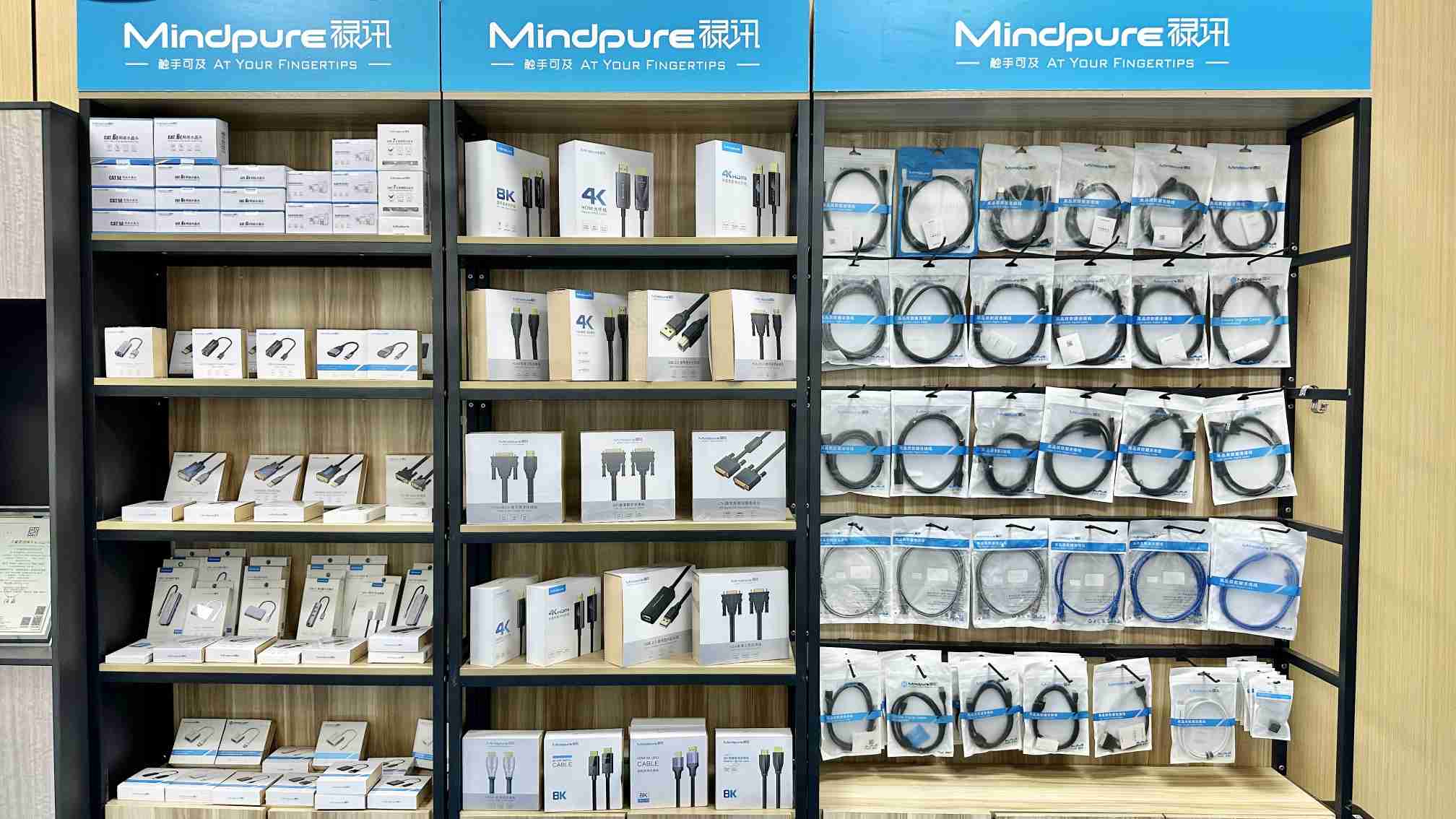
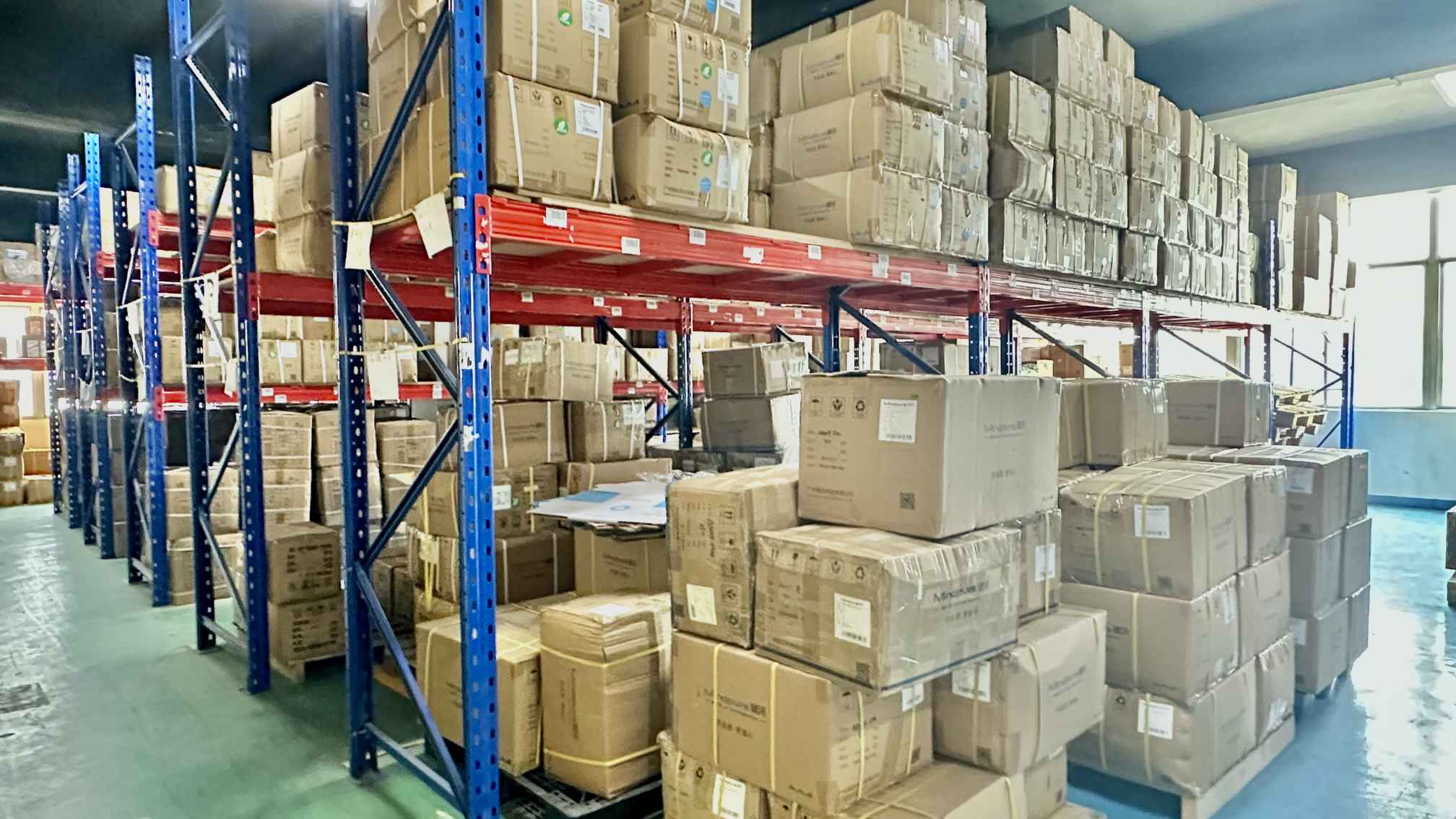
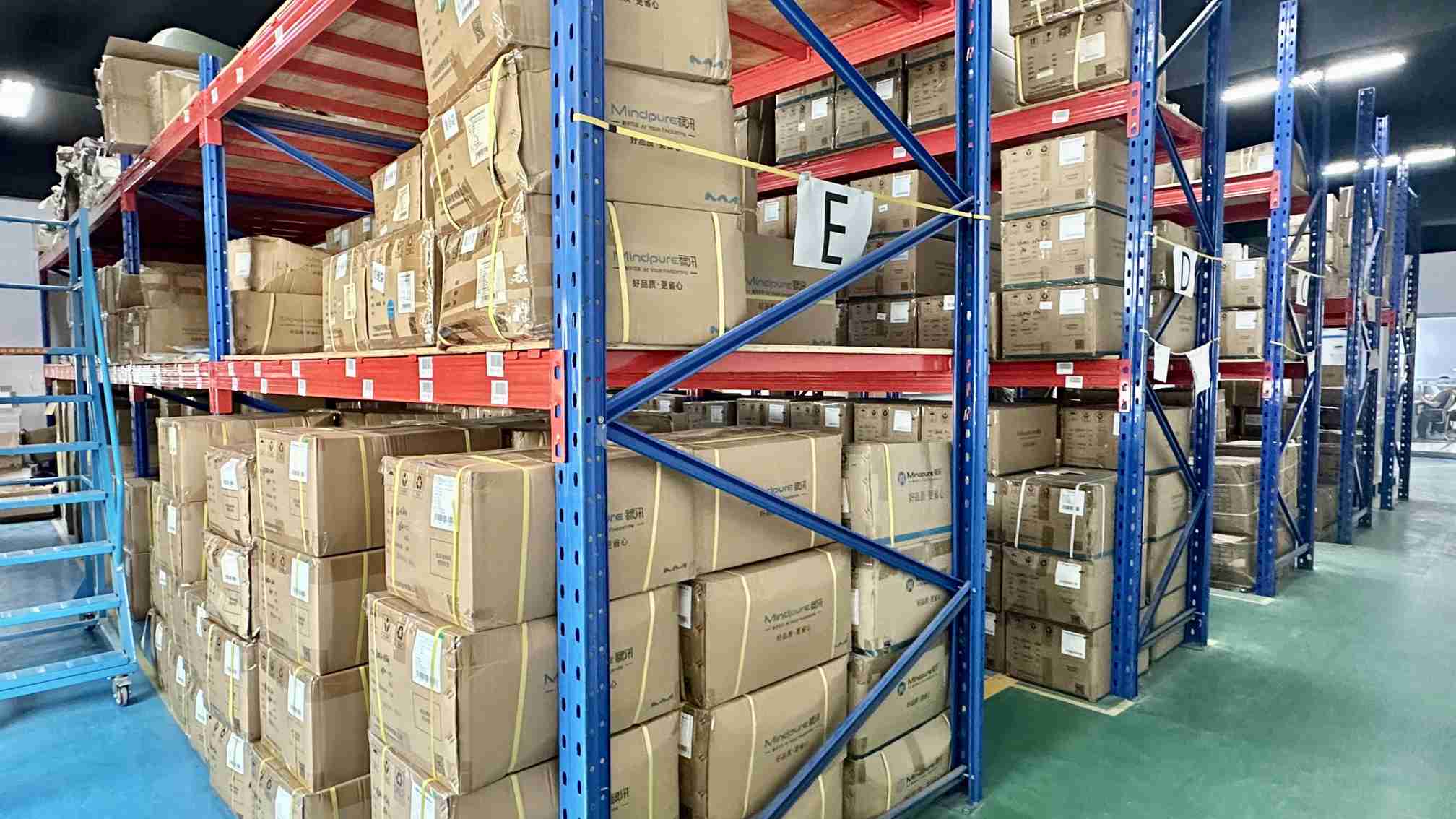
A glimpse inside our modern manufacturing facilities where our designs become certified, industrial-grade realities.
Detailed technical and commercial answers tailored for regional purchasing managers, municipal engineers, and grid logistics operators.
Yes. All of our commercial and home chargers undergo strict testing to meet European electrical norms. High-power units comply with European grid codes and Synergrid (C10/11) requirements to ensure safe interconnection with the local distribution system managed by Fluvius.
Our standard manufacturing lead time ranges from 15 to 30 days depending on custom specifications (such as cable lengths, cabinet branding, or specialized firmware). Shipping from our Dongguan facility to Antwerp Port via maritime route takes approximately 28 to 35 days, while air freight options are available for urgent deployments within 7 days.
We employ a strict quality control workflow. Every unit undergoes intermediate inspection at critical stages (raw material validation, extrusion density tests, cabling tension) and a final Outgoing Quality Control (OQC) phase. This includes a full-load burn-in test, network signal stability analysis, and IP waterproofing verification.
Yes. Our cabling machines (including Automatic Stranding and Cable Braider Machines) allow us to configure conductor cross-sectional areas up to 11 AWG or customized heavy gauge diameters. We can add polyurethane (PU) outer cladding for high resistance to petroleum fuels and seawater exposure.
Our fast chargers support the standard OCPP 1.6J protocol, and we offer upgrade options to OCPP 2.0.1. This ensures that the charger hardware integrates with third-party billing backends and dynamic load balancing networks.
 Caiku Electronic