High-performance charging hardware configured for low-temperature operating environments and alpine microgrids across Nepal.
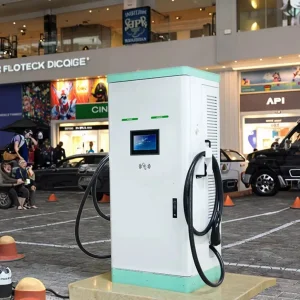
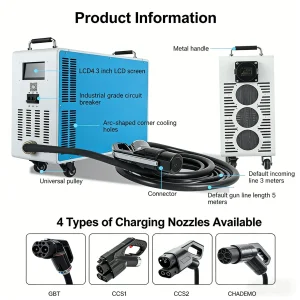
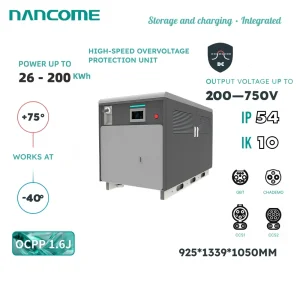
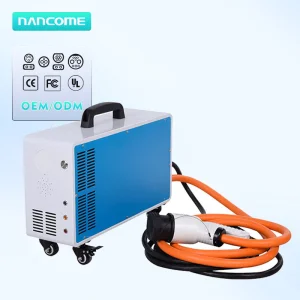
An authoritative analysis of thermodynamic bottlenecks, high-altitude grid integration, and strategic engineering adaptations for the Nepalese energy landscape.
Charging electrochemical storage cells at temperatures below freezing (0°C to -40°C) presents profound engineering challenges. In standard lithium-ion chemistries, low temperatures restrict the diffusion rate of lithium ions within the electrolyte and decelerate the intercalation kinetics at the graphite anode. When forced with standard high-current charging profiles under these conditions, the excess potential drives lithium ions to deposit as metallic lithium on the anode surface rather than inserting into it—a critical phenomenon known as lithium plating.
Lithium plating significantly degrades battery capacity, increases internal resistance, and initiates the growth of sharp metallic structures called dendrites. Over prolonged cycles, these dendrites can pierce the polymer separator, provoking internal short circuits, catastrophic thermal runaway, and hazardous safety risks. To resolve these challenges, our Low Temperature Source Chargers integrate advanced thermodynamic mitigation methodologies. Through active pre-heating thermal management and dynamically variable pulse-width charging algorithms, we optimize ion absorption profiles to deliver safe, rapid, and complete replenishment of energy stores without inducing structural battery damage.
Before launching high-amperage charging currents, our systems establish a low-frequency AC excitation cycle or engage internal auxiliary heating elements. This process raises the internal temperature of the battery pack above 5°C, ensuring optimal intercalation pathways and safeguarding overall battery lifespan.
Nepal’s unique geography—stretching from low-altitude plains to the highest peaks on Earth—demands highly specialized electrical equipment. As the country aggressively capitalizes on its abundant hydropower reserves (managed by the Nepal Electricity Authority - NEA), the domestic transportation and industrial sectors are transitioning rapidly to clean electric energy. However, implementing this transition in high-altitude zones such as Solukhumbu, Mustang, Manang, and the mountainous border passes presents extreme operational bottlenecks.
Standard electronic components suffer from power de-rating at high elevations due to thinner air and reduced heat dissipation efficiency. Furthermore, extreme sub-zero temperatures overnight can disable conventional charging infrastructure, resulting in cracked cables, frozen LCD displays, and catastrophic failure of power semiconductor switches. By establishing robust localized manufacturing collaborations and integrating high-altitude derating equations into our product development, we provide Nepal with industrial charging solutions certified to operate reliably up to 5,000 meters above sea level.
Beyond the specific needs of the Nepalese market, global procurement officers targeting cold-climate infrastructure are standardizing their requirements for high-durability charging systems. Industries operating in the Arctic circle, high-latitude mining facilities, telecommunication base stations in alpine regions, and military outdoor operations demand chargers that exceed basic commercial specifications.
Key international procurement requirements center on high IP enclosure ratings (IP55 to IP67), marine-grade anti-corrosive coatings to withstand saline frost, dynamic voltage stabilizer compatibility (necessary for unstable off-grid generators), and extended temperature testing profiles. Our products undergo stringent thermal shock validation chamber testing, simulating rapid shifts from -50°C to +80°C to guarantee uninterrupted operation in the most demanding global environments.
A global leader in high-performance power adapters, computer peripheral accessories, and ruggedized vehicle charging systems.
Dongguan Caiku Electronic Technology Co. Ltd. is a high-tech manufacturing enterprise specializing in the research, development, and production of advanced power adapters, gallium nitride (GaN) chargers, industrial-grade power supplies, and electric vehicle charging infrastructure. Established in 2011, the company has undergone two decades of strategic and operational upgrades, transforming from a specialized assembly plant into an international manufacturing hub.
Caiku focuses on in-depth product development, independent R&D, technological innovation, energy efficiency, and reducing environmental footprints. Our manufacturing portfolio covers a wide array of power solutions, including multi-functional USB chargers, GaN chargers, car chargers, wireless chargers, power adapters, smart hubs, and dedicated OEM & ODM services.

Caiku will be your reliable partner. We guarantee high quality and excellent customer service for global operations.

We have been awarded more than 20 patents across Europe, the United States, and China.

Our products are successfully sold in more than 100 countries and regions under international trademarks.

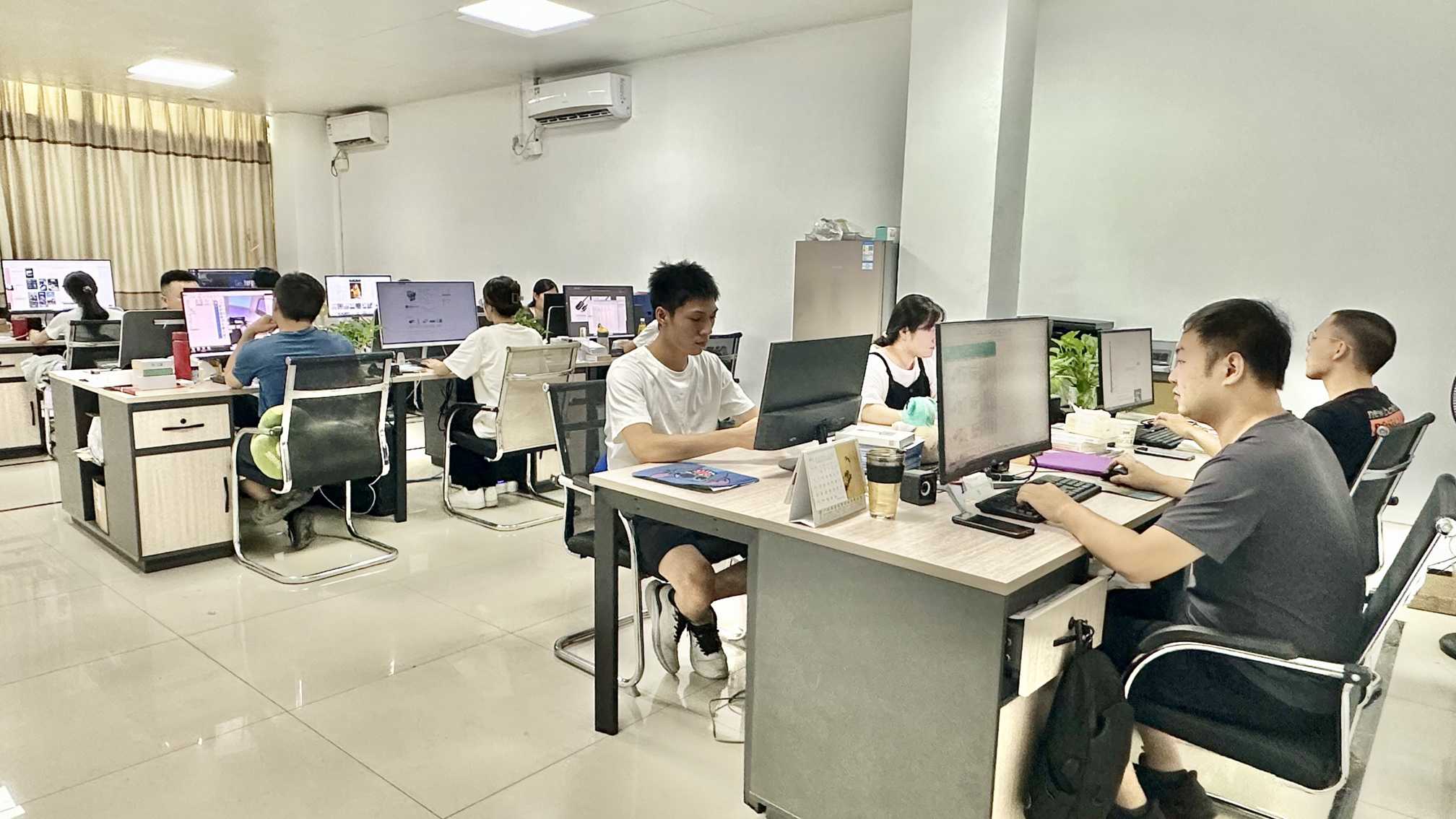
We maintain a powerful R&D team capable of launching 3 to 10 innovative new products every month.
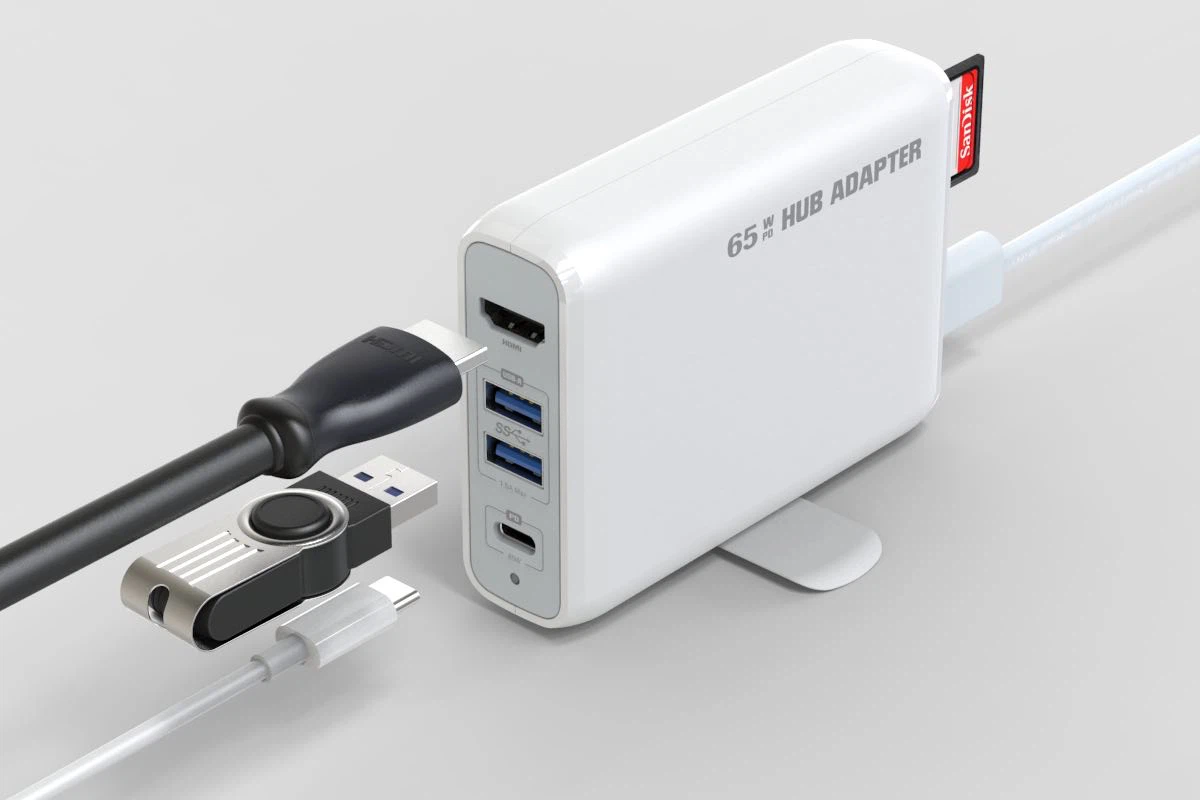
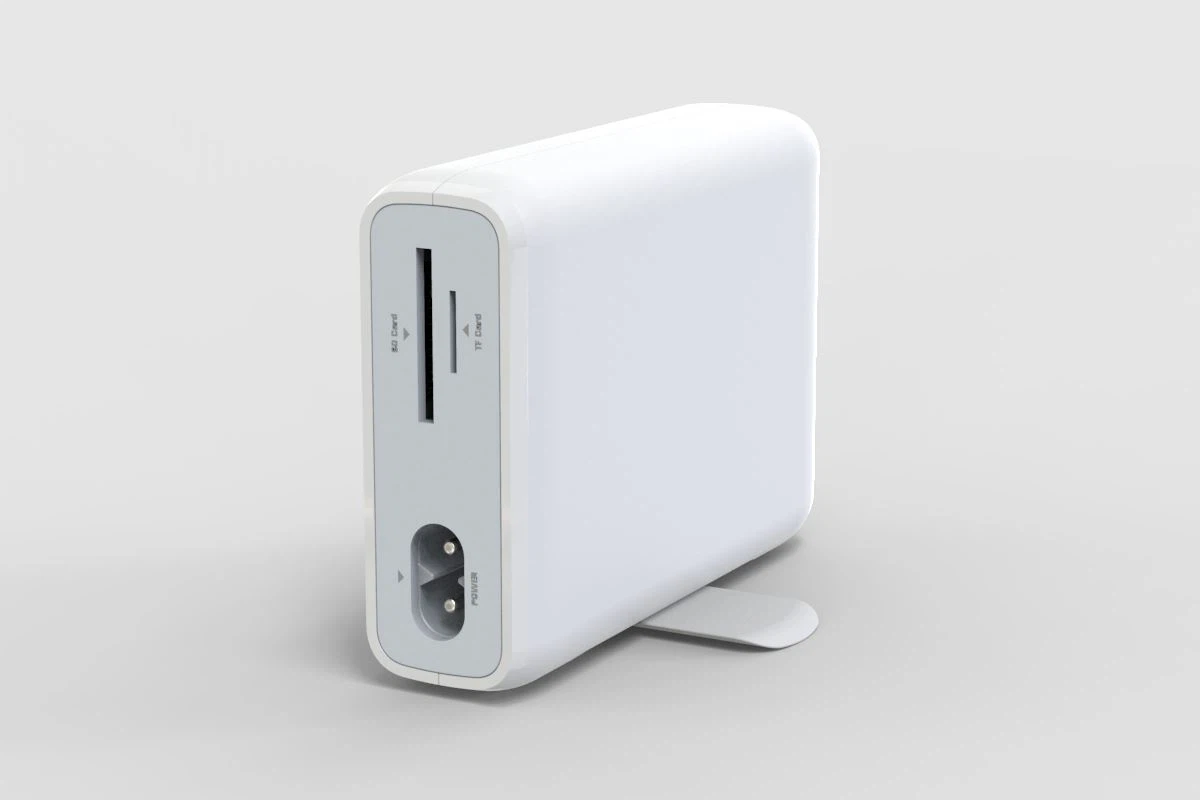
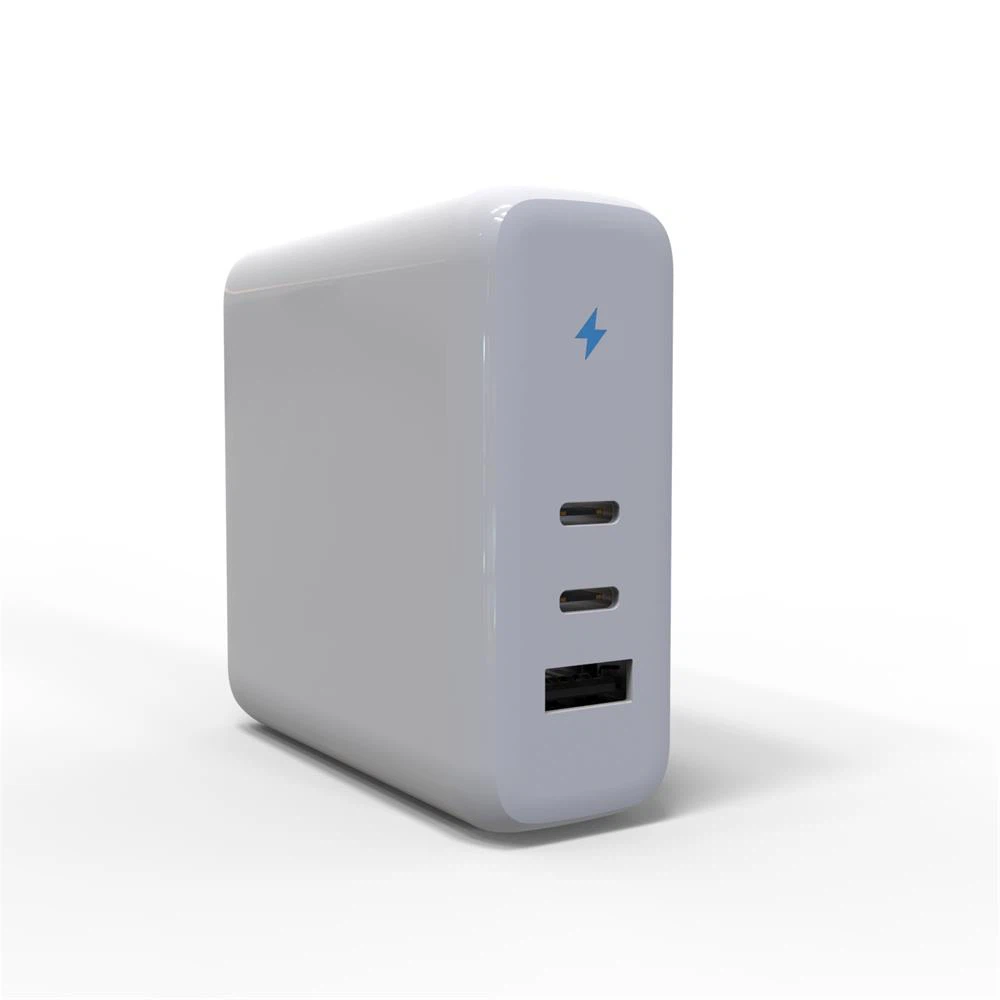
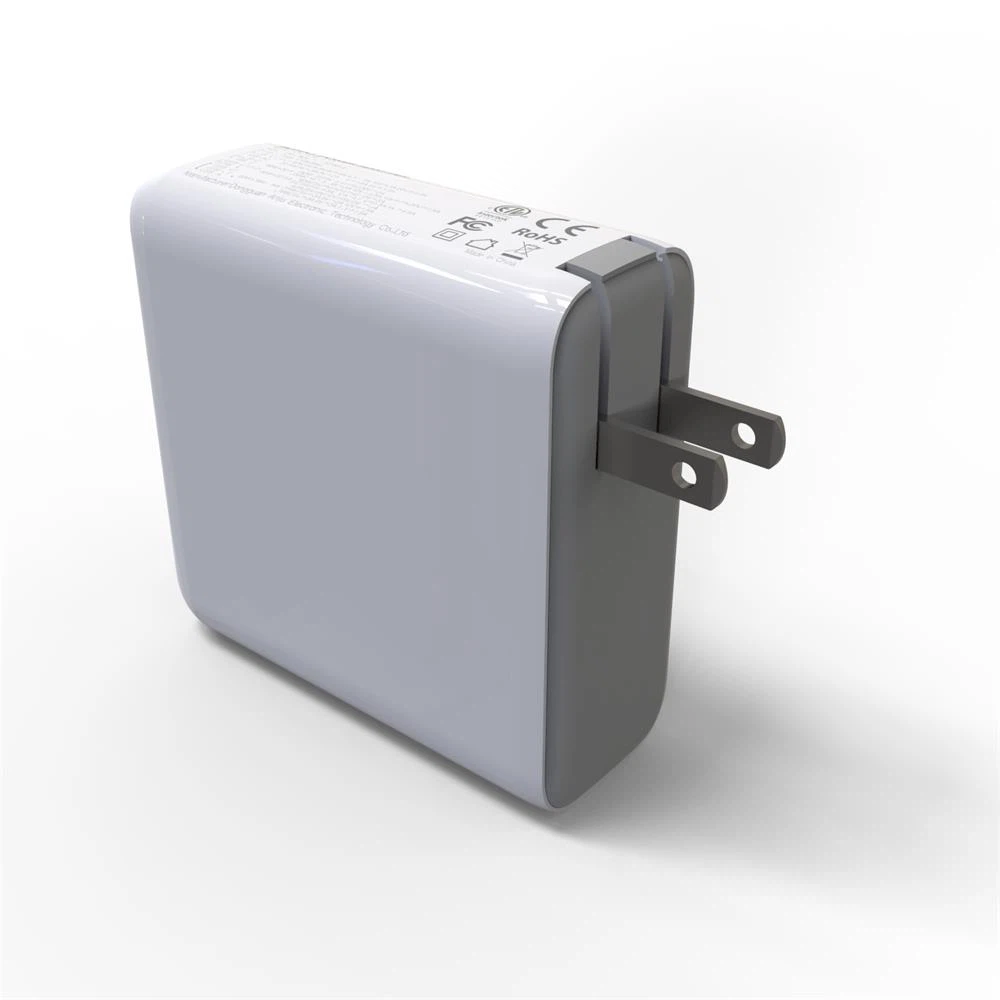
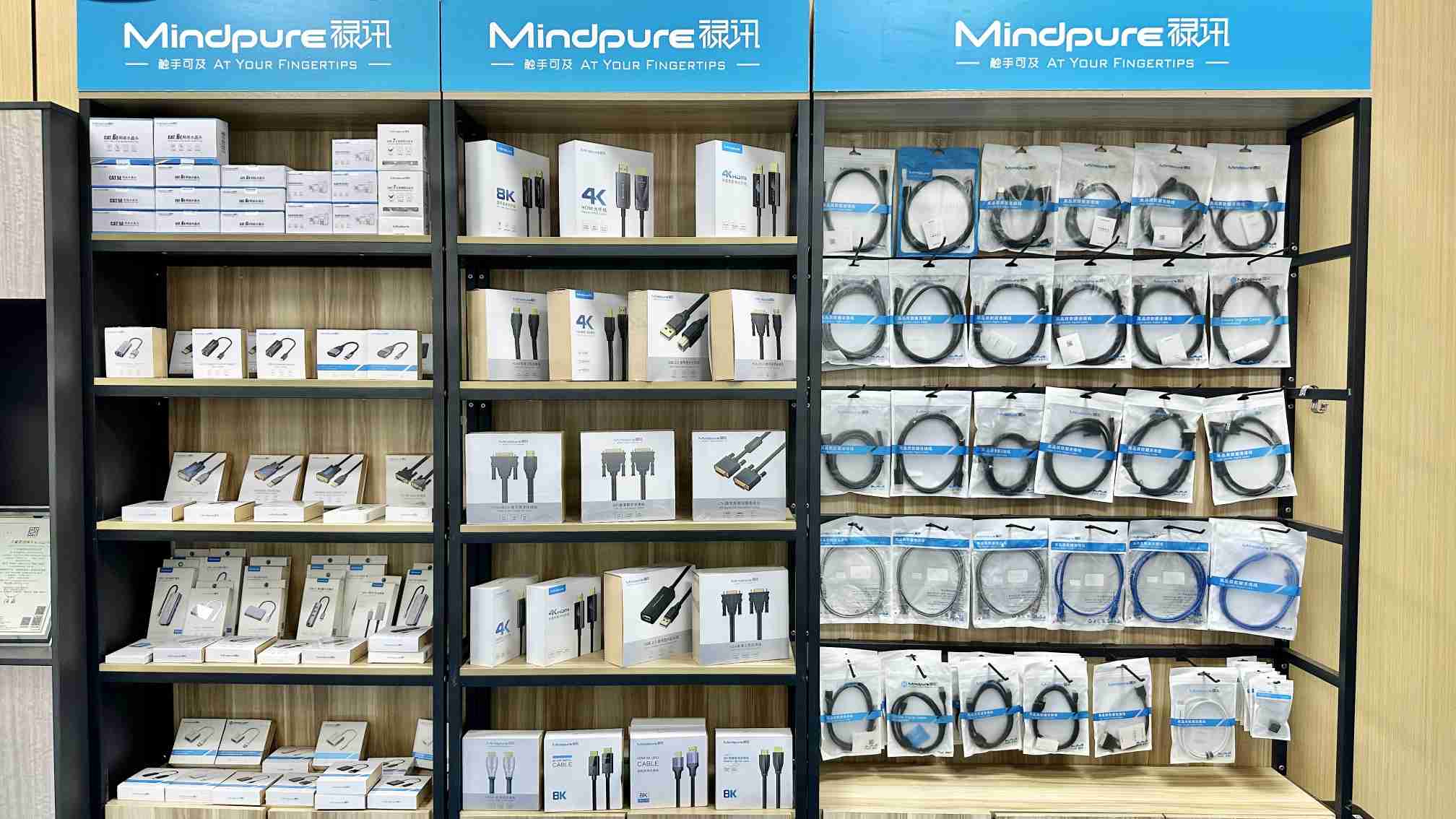
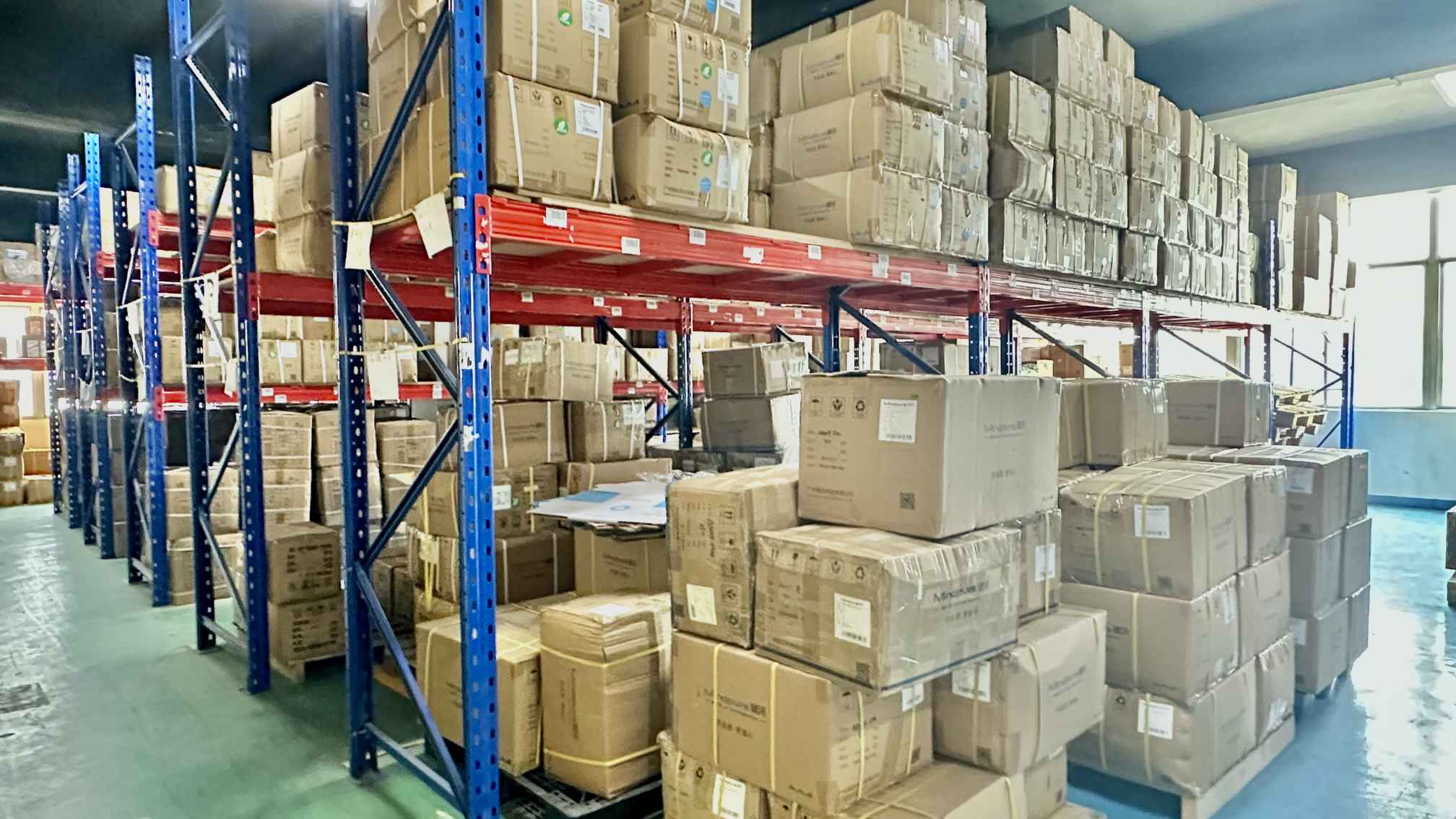
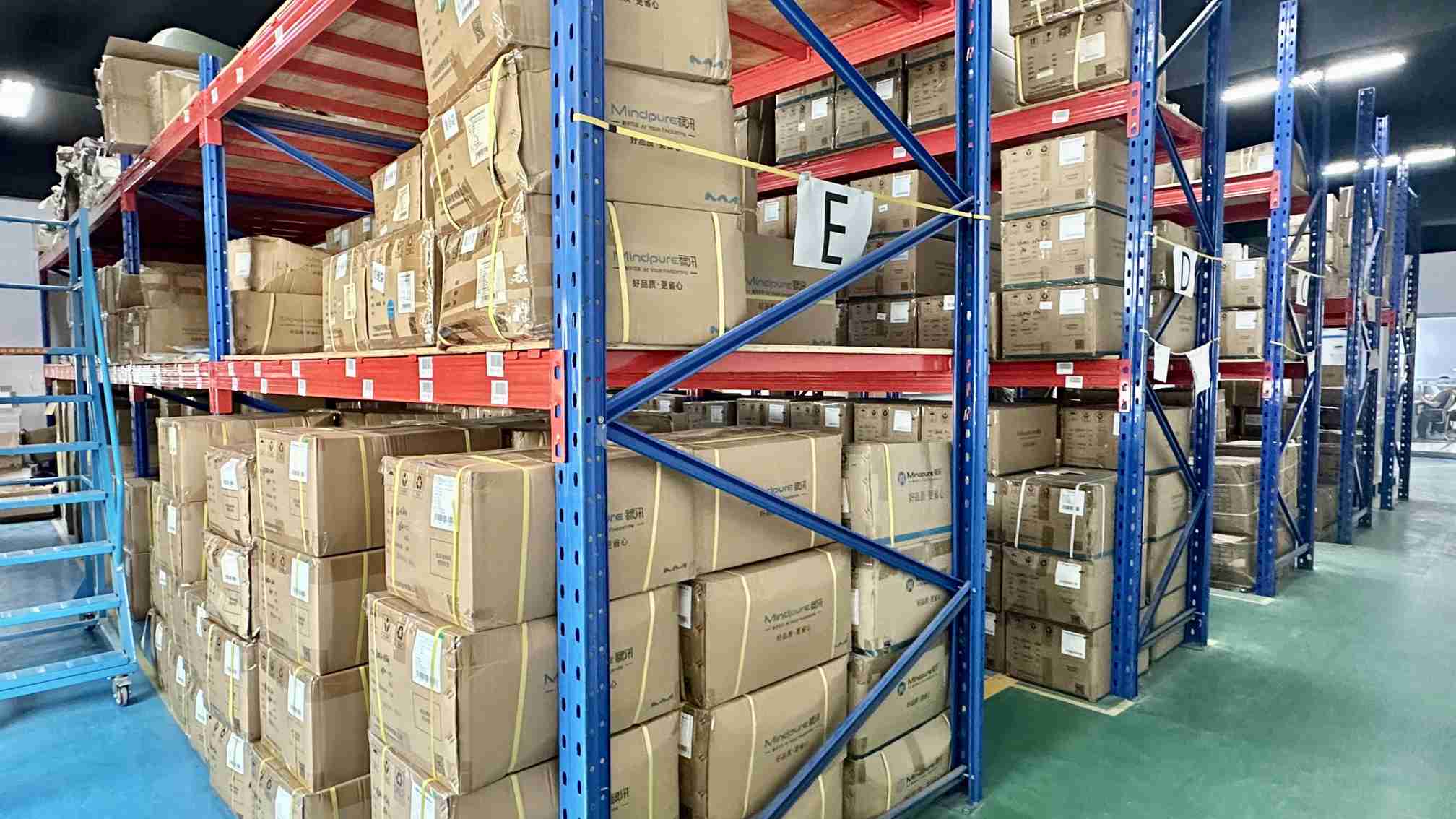
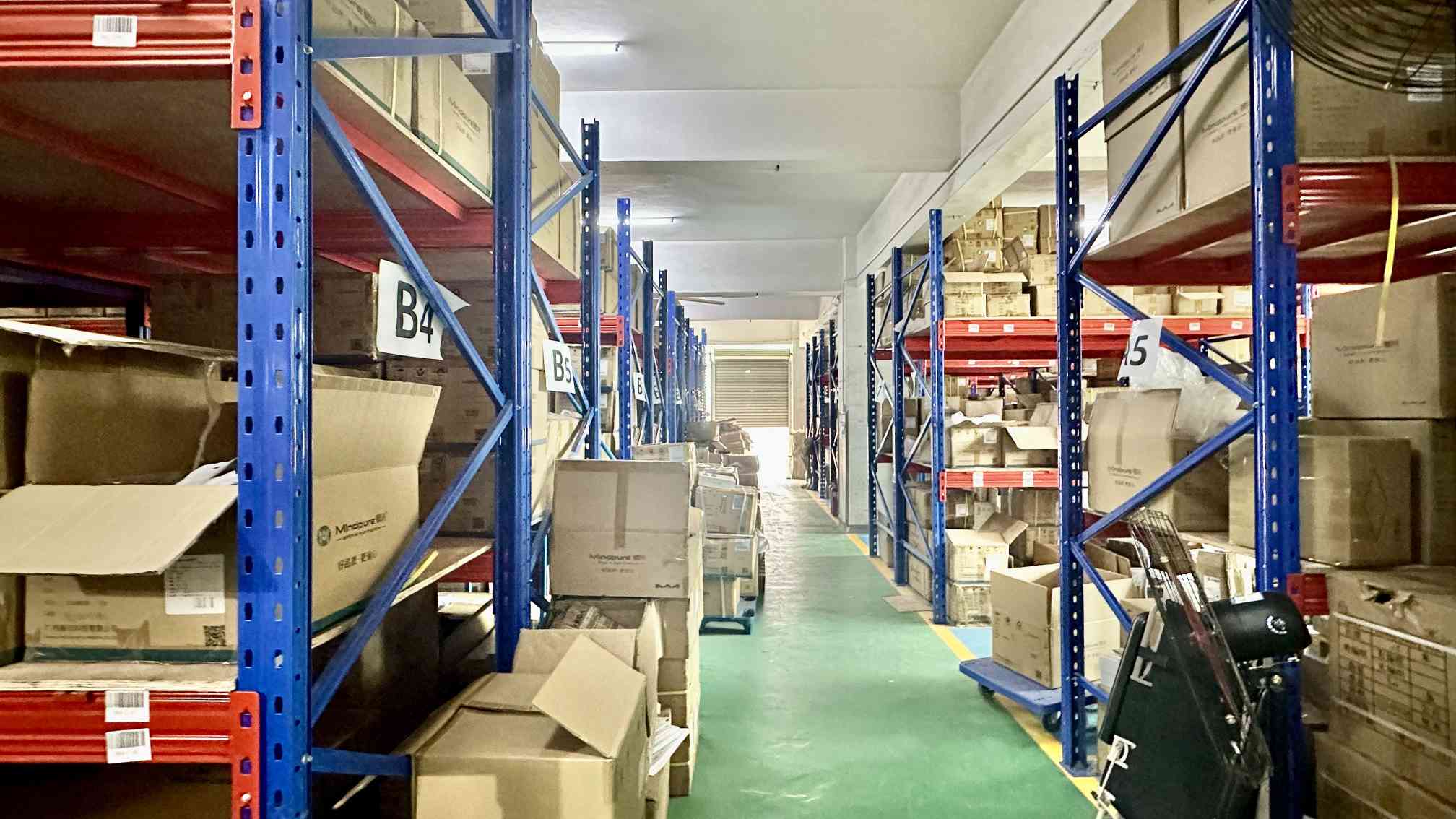
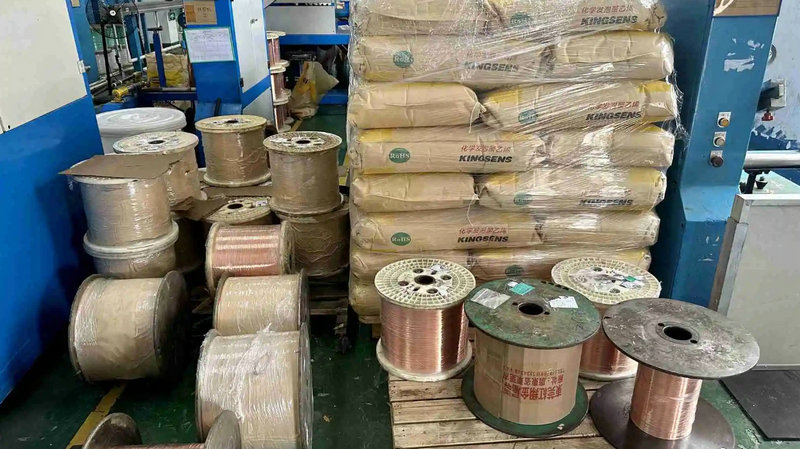
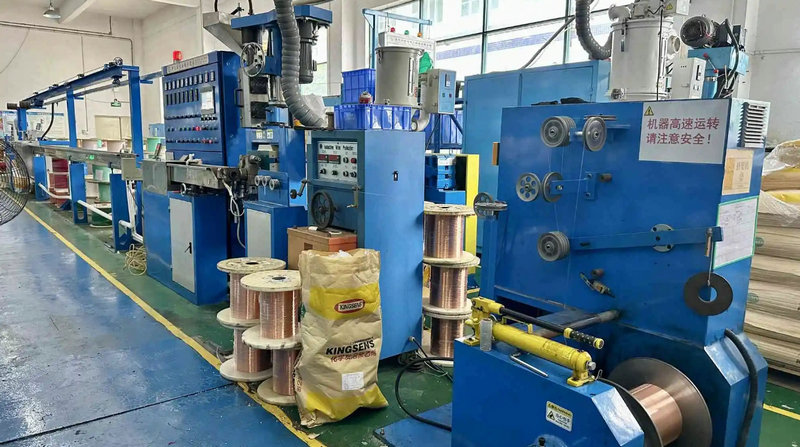
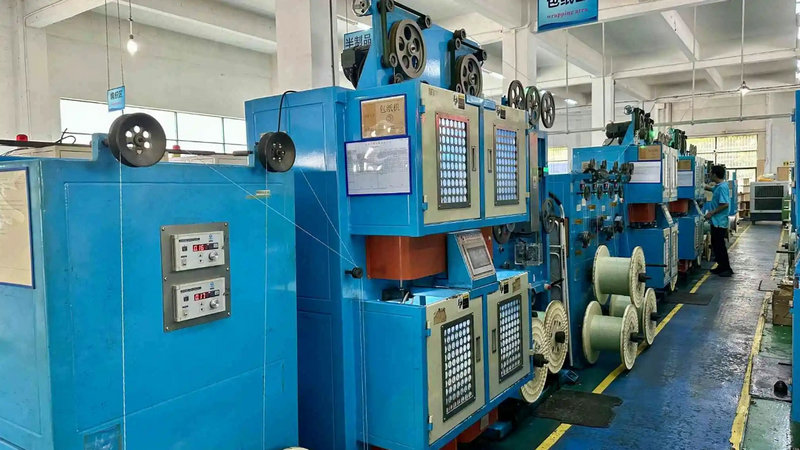
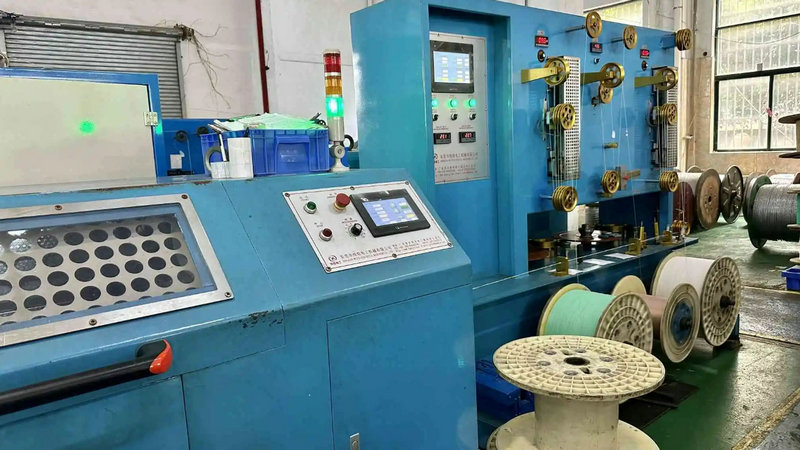
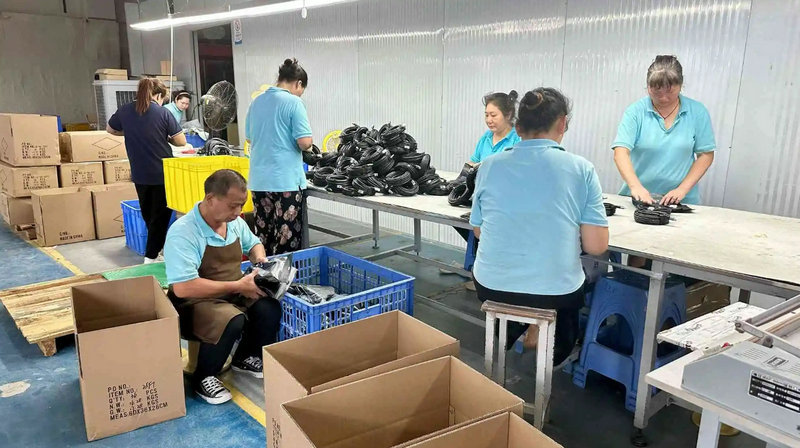
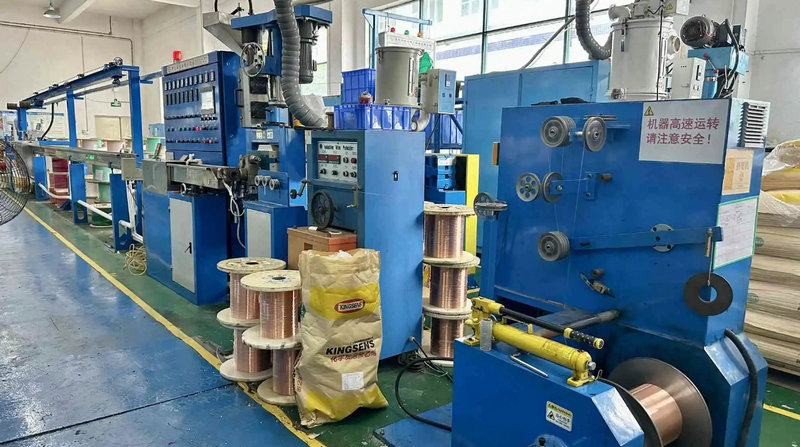
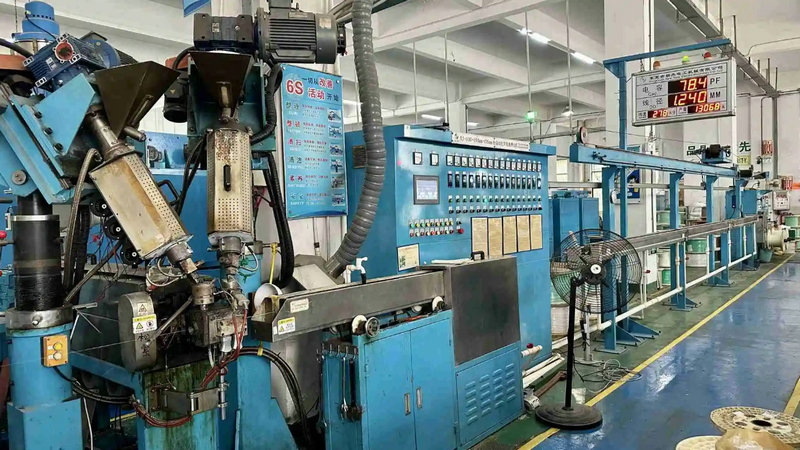
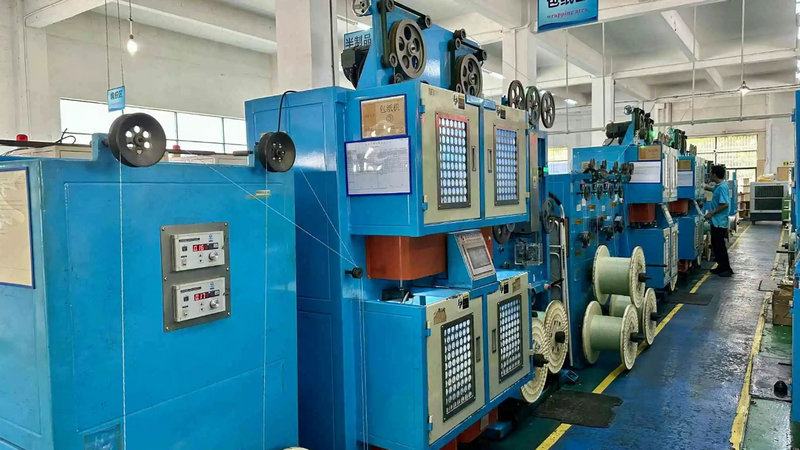
A glimpse inside our ISO-certified facilities, displaying wire extrusion, braiding, automatic molding, and electrical performance validation.
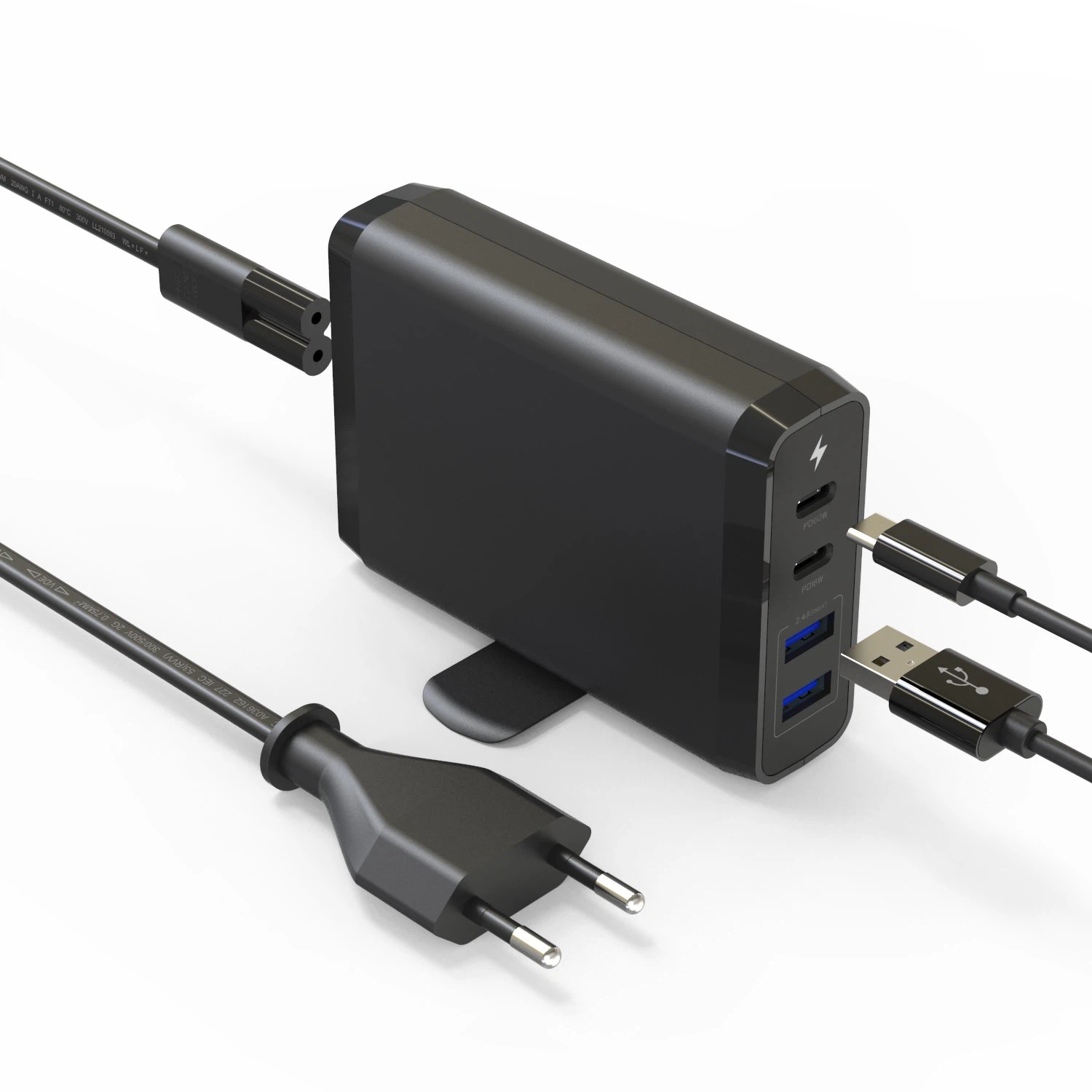
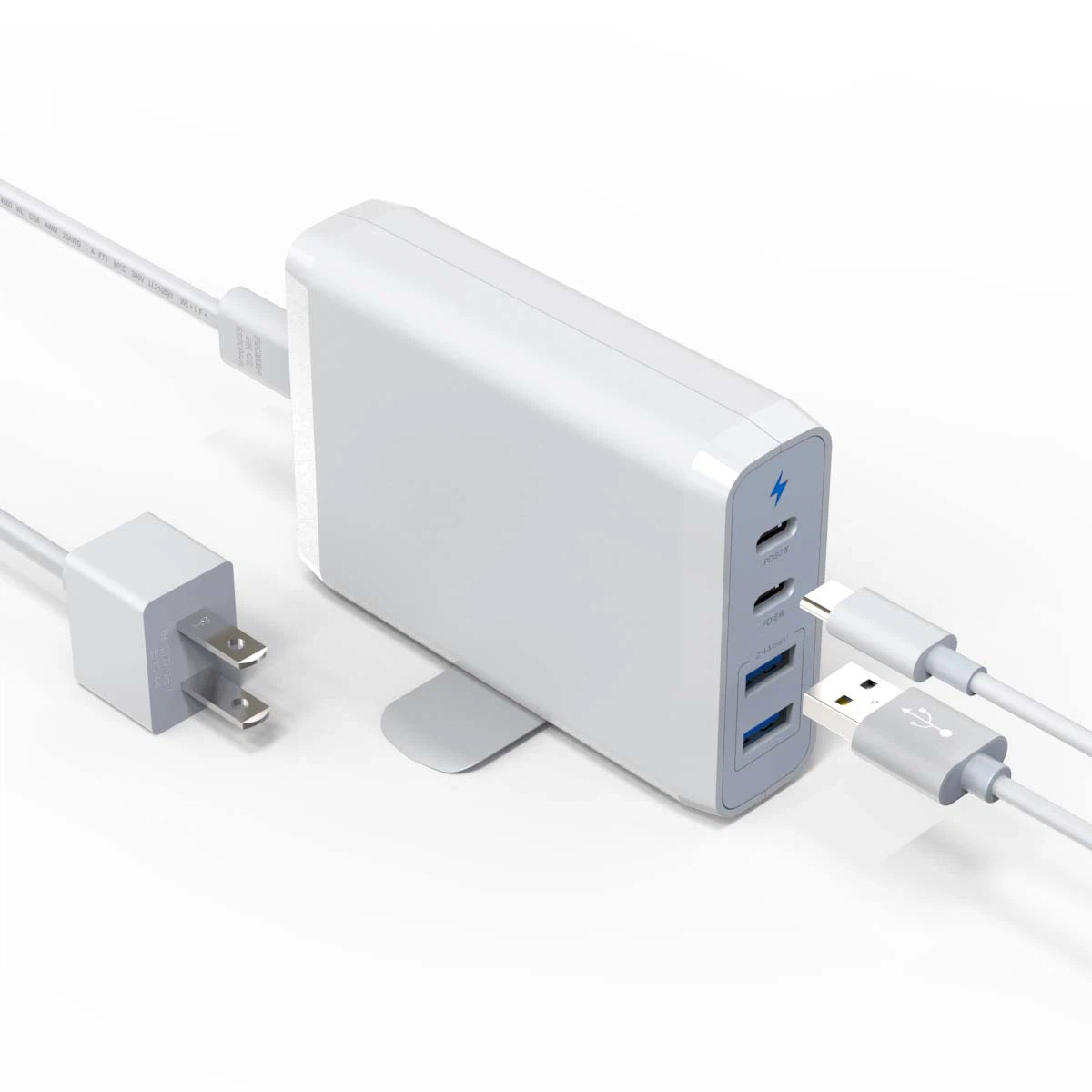

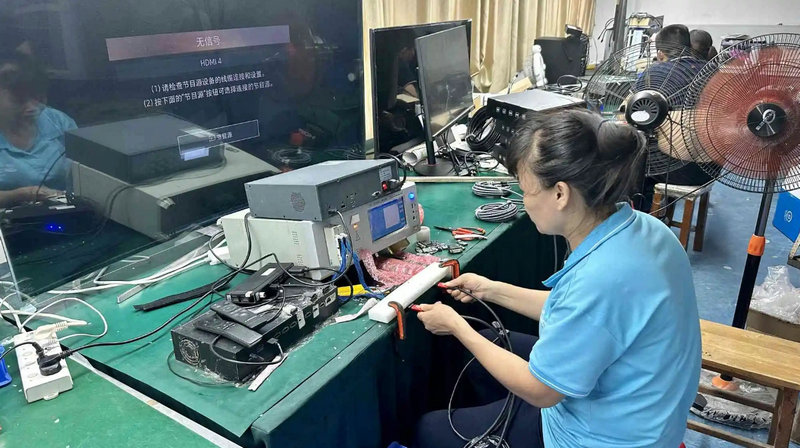
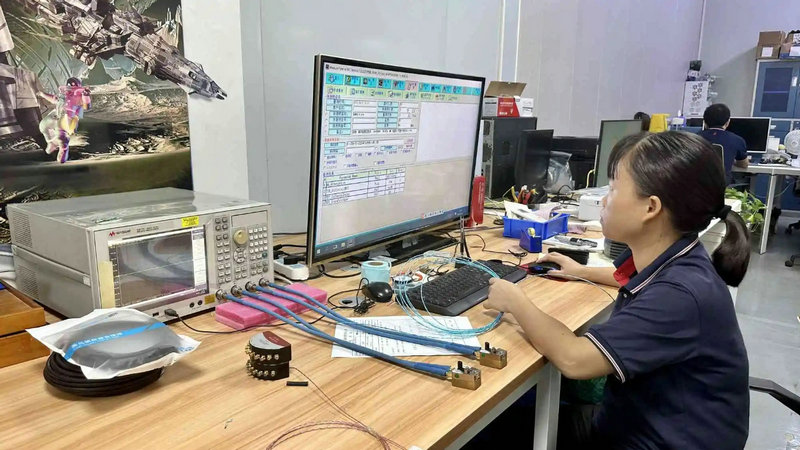
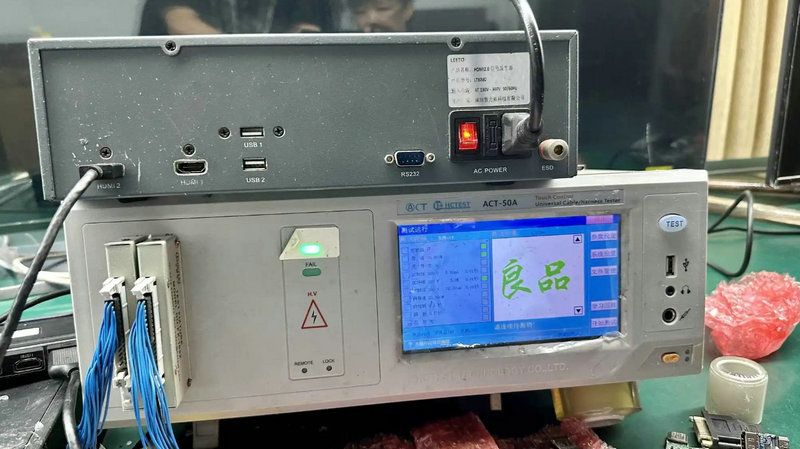
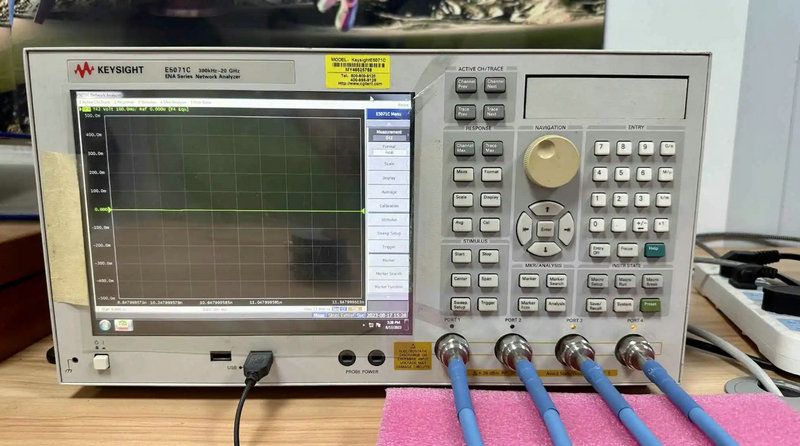
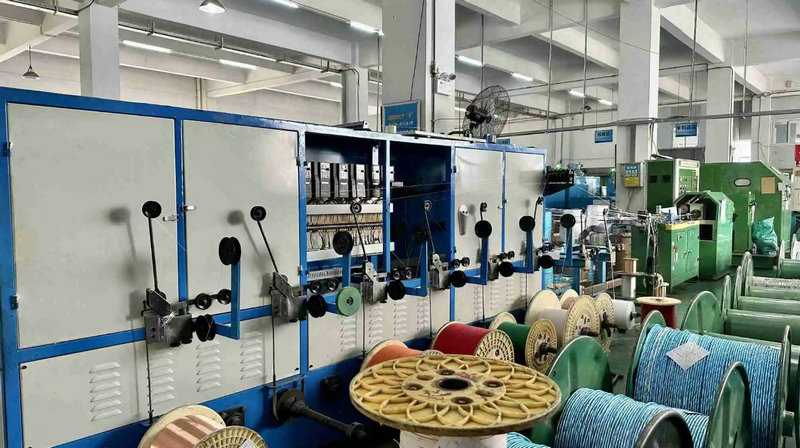
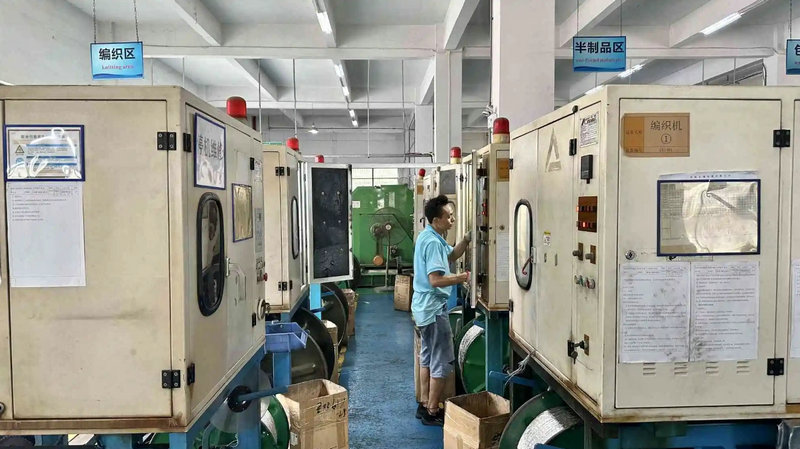
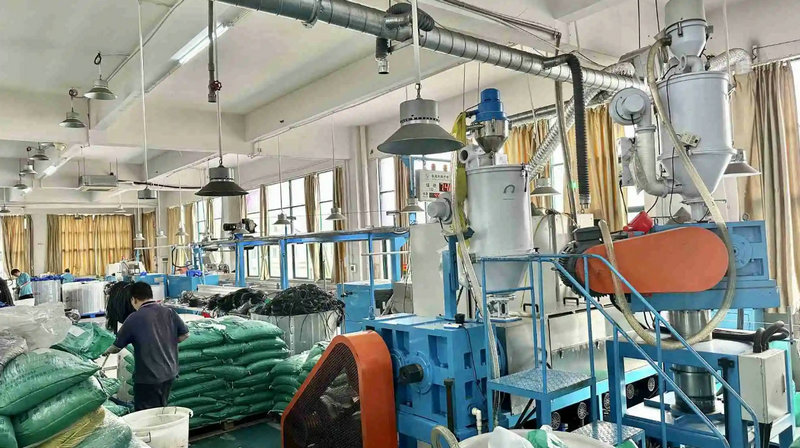
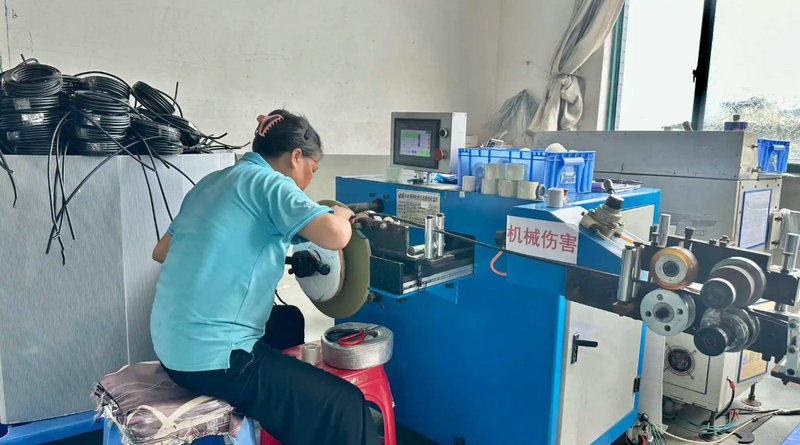
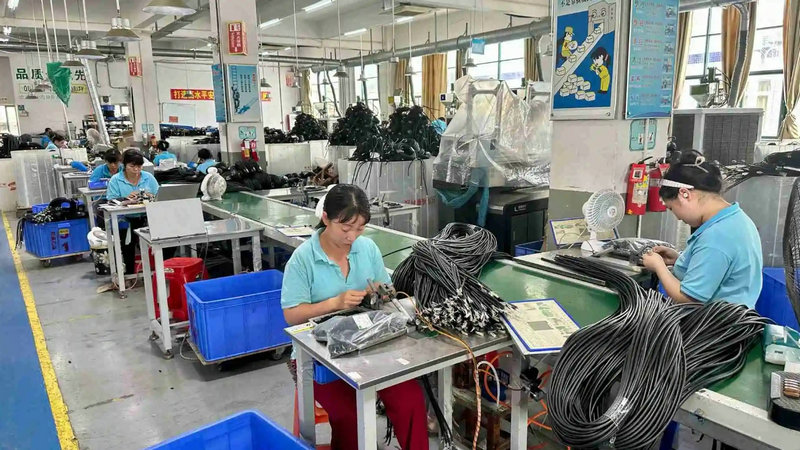
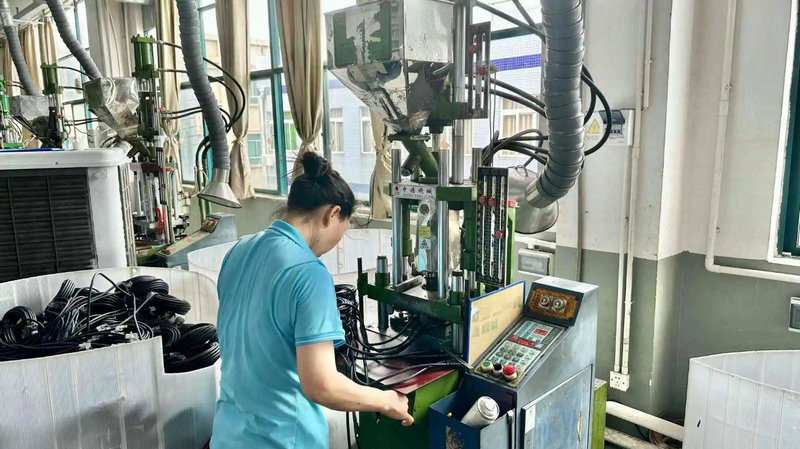
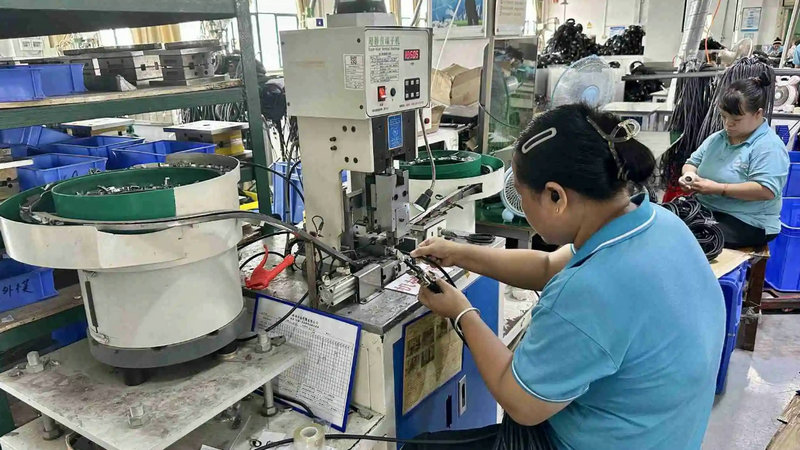
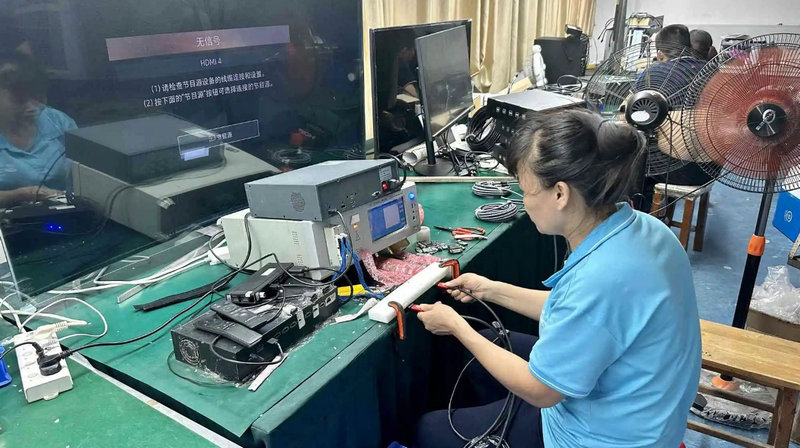
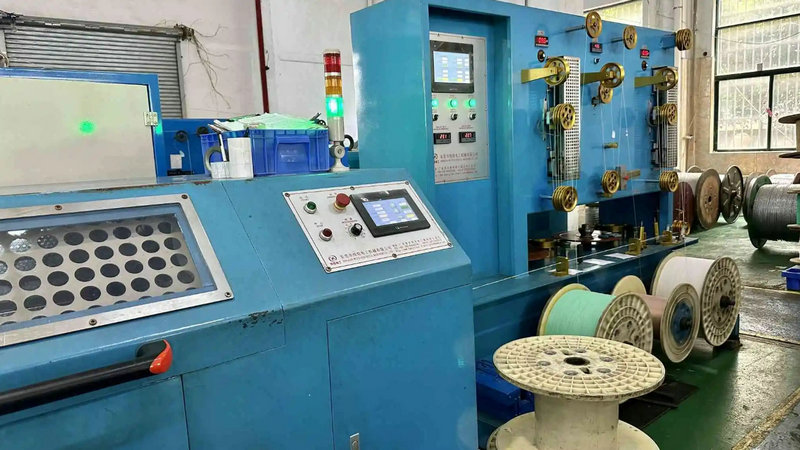
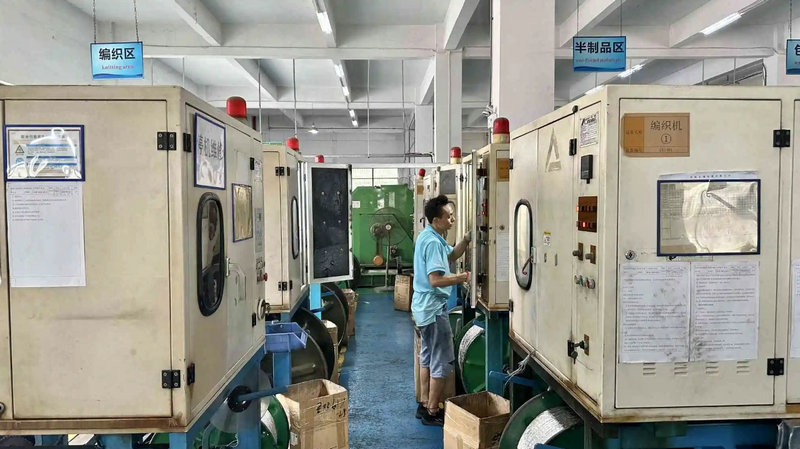
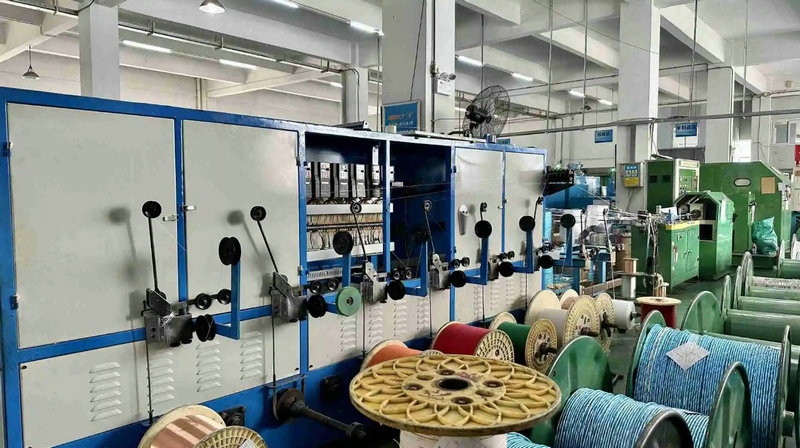
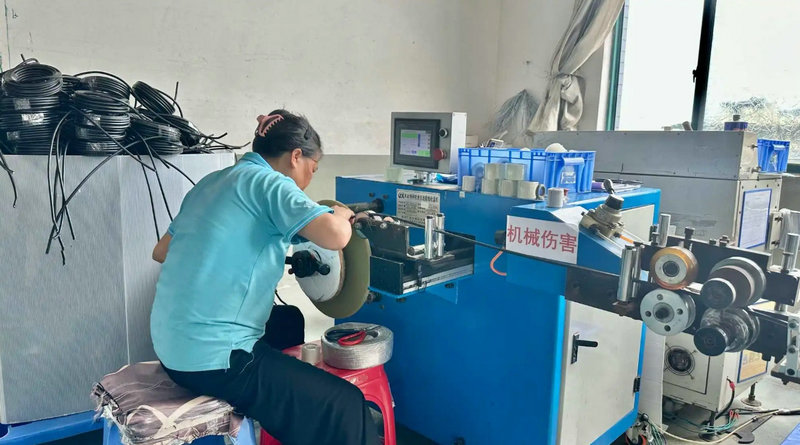
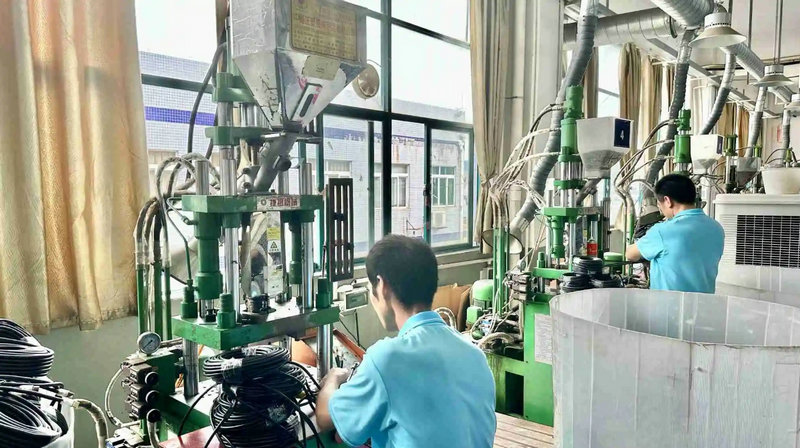
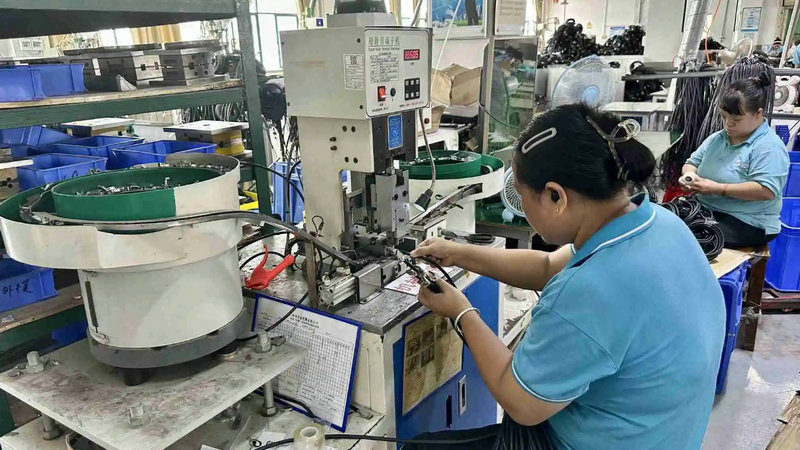
Bridging the gap between robust international manufacturing standards and localized infrastructure constraints in high-altitude environments.
Nepal's electrical grid, while rapidly expanding, can experience localized fluctuations, voltage drops, and transient surges—especially in areas powered by small run-of-the-river hydropower facilities. To ensure operational continuity, Caiku's sub-zero charging equipment includes wide input voltage tolerance ranges (±20%) and multi-stage metal oxide varistor (MOV) protection circuits. This design isolates sensitive electric vehicle electronics and industrial forklift batteries from grid instability, preventing hardware failure.
At altitudes above 2,000 meters, the low density of the atmosphere reduces air's dielectric strength and its effectiveness as a cooling medium. Our engineering team calculates exact de-rating parameters based on altitude: for every 1,000 meters above sea level, clear air clearances are widened by 10% and cooling airflows are accelerated using smart fans with variable speed controls. This ensures that a charger deployed in high-altitude communities like Namche Bazaar operates safely and effectively without overheating or voltage arcing.
Caiku ensures compliance with the major regulatory requirements of target markets. Our chargers align with CE, FCC, RoHS, and national Nepal Electricity Authority (NEA) installation standards. By incorporating CCS2 and Type 2 charging protocols alongside robust safety features, we facilitate smooth approval processes with local utility providers and safety inspectors.
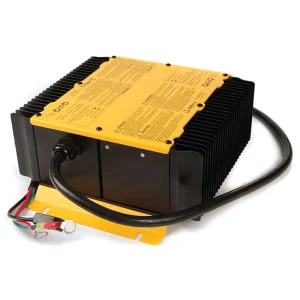
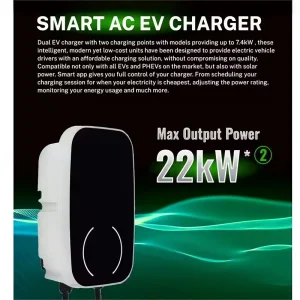
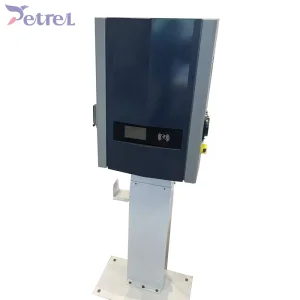
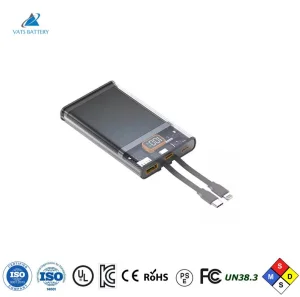
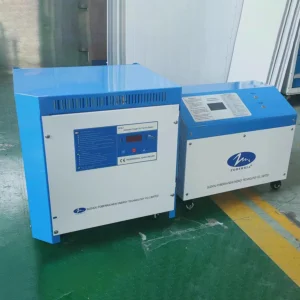
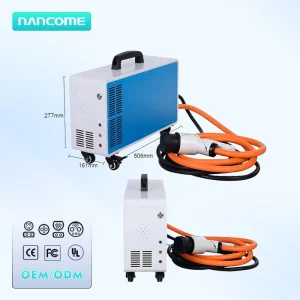
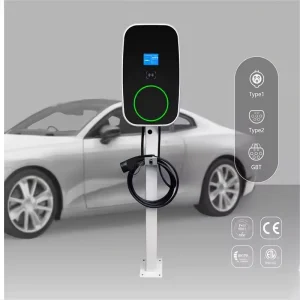
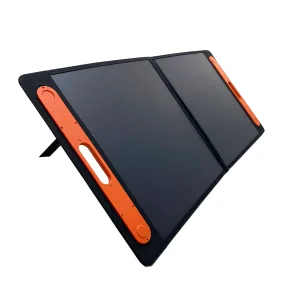
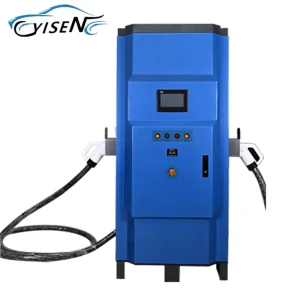
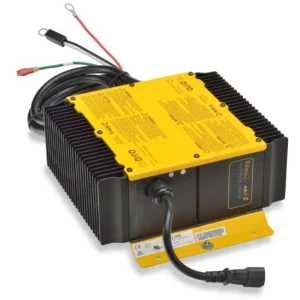
Heavy-duty adapters, onboard power modules, and localized fleet charging piles designed for sub-zero operation.
Detailed answers to complex technical issues encountered when installing charging infrastructure in cold, mountainous regions.
Connect with our technical engineering team for customized high-altitude charging project estimations, pricing quotes, and system architecture blueprints.
Send Inquiry Now Caiku Electronic